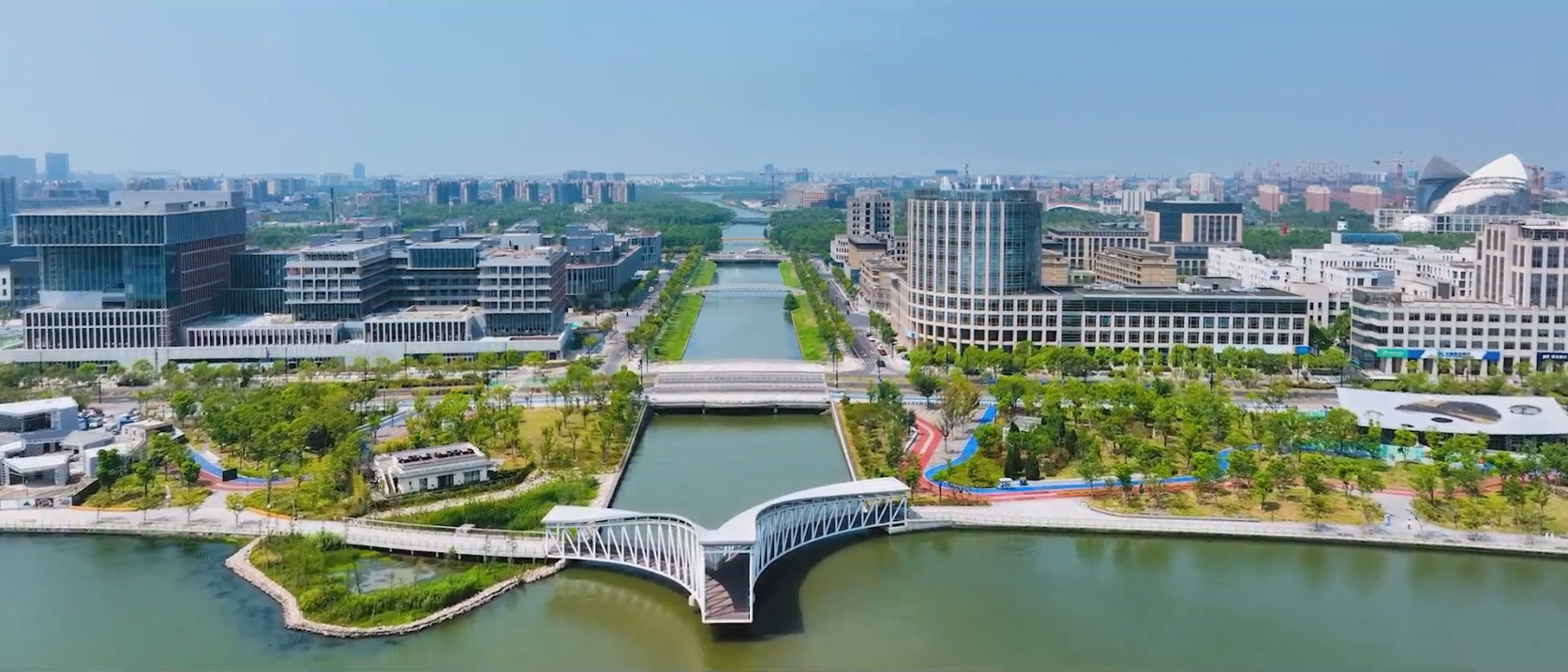
Understanding Local Regulations for Surface Rainwater Transport Systems
Understanding Local Regulations for Surface Rainwater Transport Systems
In the world of construction and environmental management, understanding local regulations for surface rainwater transport systems is crucial. These regulations are designed not only to manage water runoff but also to protect the environment and ensure public safety. In this article, we will explore the various aspects of these regulations, guide you through the compliance process, and provide insights into implementing effective rainwater transport systems.
Table of Contents
- Introduction to Surface Rainwater Transport Systems
- Importance of Compliance with Local Regulations
- Key Regulations Impacting Surface Rainwater Systems
- Design Considerations for Rainwater Transport Systems
- Construction and Installation Requirements
- Monitoring and Maintenance of Rainwater Systems
- Case Studies and Best Practices
- Frequently Asked Questions
- Conclusion
Introduction to Surface Rainwater Transport Systems
Surface rainwater transport systems are engineering solutions designed to manage the flow of rainwater from surfaces such as roads, rooftops, and parking lots. These systems are essential for preventing flooding, reducing erosion, and protecting water quality. They can include elements like gutters, drains, swales, and retention ponds, all of which play a role in directing rainwater away from critical areas.
Understanding the components and functions of these systems is the first step in ensuring compliance with local regulations. Each component must be carefully designed and integrated to work effectively while adhering to safety and environmental standards.
Importance of Compliance with Local Regulations
Compliance with local regulations is not just a legal obligation; it is vital for the sustainability of communities and the environment. Ignoring these regulations can lead to severe consequences, including:
- Legal Penalties: Non-compliance can result in fines, project delays, or even the cessation of construction activities.
- Environmental Impact: Improper rainwater management can lead to water pollution, habitat destruction, and increased flooding risk.
- Public Health Risks: Inadequately managed rainwater can create breeding grounds for pests and lead to health hazards.
By ensuring compliance, stakeholders can contribute to the wellbeing of the environment and the community, all while avoiding costly legal issues.
Key Regulations Impacting Surface Rainwater Systems
A variety of regulations affect the design and implementation of surface rainwater transport systems. Some of these regulations include:
Federal Regulations
At the federal level, the Clean Water Act (CWA) is a cornerstone regulation governing water quality. Under the CWA, any construction project that may discharge pollutants into navigable waters must obtain a National Pollutant Discharge Elimination System (NPDES) permit. Compliance with this act is critical in designing rainwater systems that do not contribute to water quality degradation.
State Regulations
Each state has its own regulations that may impose stricter requirements than federal standards. States often have specific guidelines for stormwater management, which dictate how rainwater systems should be designed and implemented. Understanding these guidelines is essential for project compliance.
Local Ordinances
Local municipalities may have their own set of rules governing surface rainwater management. These ordinances can include specific design standards, maintenance requirements, and allowable materials. Engaging with local regulatory bodies early in the project can ensure that all requirements are met and streamline the approval process.
Design Considerations for Rainwater Transport Systems
The design of rainwater transport systems must prioritize functionality as well as compliance. Key considerations include:
Hydrologic Analysis
Before designing a surface rainwater transport system, conducting a hydrologic analysis is critical. This analysis assesses how much rainwater can be expected in a given area and helps in sizing the system components appropriately.
Materials Selection
The materials used in constructing rainwater transport systems must be durable and compliant with local regulations. Common materials include concrete, PVC, and metal, each offering various benefits and challenges. Selecting the right material can influence the system's lifespan and maintenance needs.
Integration with Existing Infrastructure
Designing rainwater systems requires consideration of existing infrastructure. Proper integration with roads, drainage systems, and landscaping can enhance efficiency and ensure compliance with regulations.
Public Safety and Accessibility
Ensuring public safety is paramount in the design of rainwater systems. This includes considering accessibility for maintenance and potential hazards that may arise from pooling water or inadequate drainage.
Construction and Installation Requirements
Once the design phase is complete, adhering to construction and installation requirements is crucial for ensuring compliance and system performance. These requirements may include:
Permitting Processes
Before construction, obtaining the necessary permits is essential. This often involves submitting detailed plans to local authorities for review and approval, ensuring that all aspects of the design meet regulatory standards. It is advisable to familiarize oneself with the local permitting process early in the project.
Quality Control During Construction
Implementing quality control measures during construction is vital for the integrity of the rainwater transport system. Regular inspections and adherence to design specifications will help prevent future issues, such as system failure or non-compliance.
Environmental Considerations
During installation, contractors must take care to minimize environmental impact. This includes managing erosion, sediment control, and preventing contamination of nearby water bodies. Many local regulations mandate specific best practices to mitigate environmental risks during construction.
Monitoring and Maintenance of Rainwater Systems
Proper monitoring and maintenance are essential for the longevity and effectiveness of any surface rainwater transport system. Regular inspections can identify potential problems before they escalate, ensuring compliance with local regulations and maintaining system performance.
Scheduled Inspections
Establishing a schedule for routine inspections allows for the timely identification of issues such as clogs, structural damage, or sediment buildup. Regular inspections help maintain the system's functionality and compliance with regulations.
Documentation and Reporting
Maintaining thorough records of inspections, maintenance activities, and any repairs conducted is critical. Many local authorities require documentation to demonstrate compliance with maintenance regulations.
Community Education and Involvement
Educating the community about the importance of rainwater systems can foster greater public involvement in maintenance efforts. When community members understand their role, they are more likely to report issues and participate in maintaining the system.
Case Studies and Best Practices
Examining successful case studies can provide valuable insights into effective surface rainwater transport system designs and compliance strategies. Here are a few examples of best practices:
Urban Green Infrastructure
In urban areas, green infrastructure such as permeable pavements and green roofs can significantly reduce rainwater runoff. These solutions not only comply with local regulations but also contribute to enhanced biodiversity and urban aesthetics.
Community Collaboration
Collaborating with local communities to design rainwater systems can lead to increased compliance and public support. Engaging stakeholders in the planning process fosters a sense of ownership and accountability.
Frequently Asked Questions
1. What are surface rainwater transport systems?
Surface rainwater transport systems are engineered solutions designed to manage rainwater runoff from various surfaces to prevent flooding and protect water quality.
2. Why are local regulations important for rainwater systems?
Local regulations ensure that rainwater management practices comply with environmental standards, protect public safety, and prevent legal issues.
3. What are some common components of rainwater transport systems?
Common components include gutters, drains, swales, and retention ponds, all designed to direct rainwater effectively.
4. How can I ensure my project complies with local regulations?
Engage with local regulatory bodies early in the planning process, conduct thorough research, and ensure all designs and materials meet established guidelines.
5. What maintenance practices are necessary for rainwater systems?
Regular inspections, cleaning of debris, and documentation of maintenance activities are essential to ensure the system remains functional and compliant.
Conclusion
Understanding and complying with local regulations for surface rainwater transport systems is essential for anyone involved in construction and environmental management. Compliance not only safeguards public health and environmental quality but also contributes to sustainable development. By engaging with local authorities, designing effective systems, and implementing best practices, stakeholders can successfully navigate the complexities of rainwater management and ensure long-term success.
Surface rainwater transport system


Address: Building B2, No. 188, Hailuo Road, Quanjiao County, Chuzhou City, Anhui Province,China
yajing


Messages