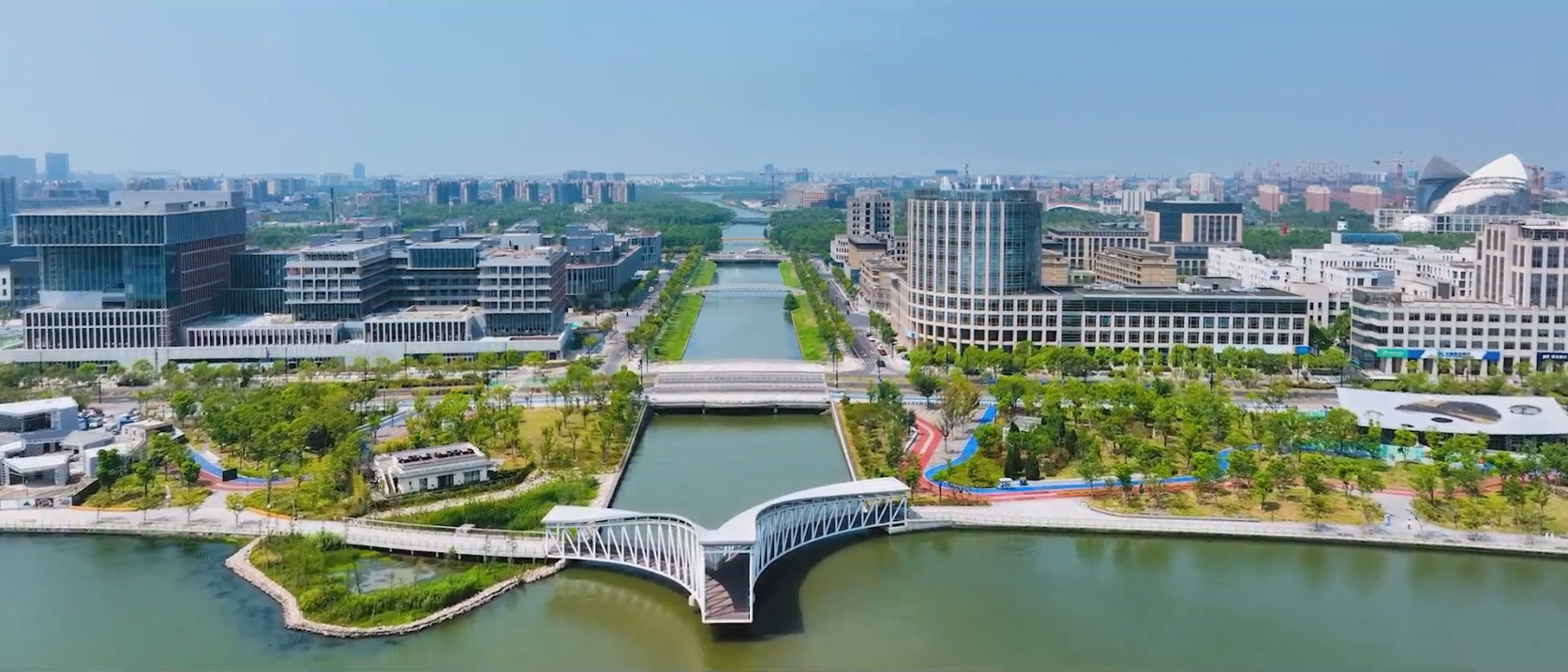
Innovative Designs for Your Roof Planting Box: A Comprehensive Guide to Urban Gardening
Innovative Designs for Your Roof Planting Box: A Comprehensive Guide to Urban Gardening
As urban spaces become increasingly congested, the need for green areas is more prominent than ever. Roof planting boxes offer a unique solution, allowing city dwellers to cultivate their gardens even in limited spaces. In this extensive guide, we delve into innovative designs for roof planting boxes, providing you with practical insights to help you maximize your rooftop gardening experience.
Table of Contents
- 1. Benefits of Roof Planting Boxes
- 2. Choosing the Right Materials for Your Roof Planting Box
- 3. Innovative Designs for Roof Planting Boxes
- 4. Selecting Plants for Your Roof Garden
- 5. Planting and Maintenance Tips
- 6. Sustainable Irrigation Solutions
- 7. Environmental Impact of Roof Gardens
- 8. FAQs About Roof Planting Boxes
- 9. Conclusion
1. Benefits of Roof Planting Boxes
Roof planting boxes serve as a bridge between nature and urban living, offering a plethora of advantages. Here are some key benefits:
Enhancing Urban Aesthetics
One of the most immediate benefits of roof planting boxes is the enhancement of visual appeal. A well-designed garden can transform a stark rooftop into a lush oasis, promoting a sense of tranquility and beauty.
Improving Air Quality
Plants are natural air purifiers. By incorporating greenery into urban environments, roof gardens can significantly improve air quality, absorbing pollutants and releasing oxygen.
Providing Thermal Insulation
Roof planting boxes contribute to better insulation for buildings. The soil and plants help to absorb sunlight, reducing the heat that penetrates into the structure, leading to lower energy costs.
Encouraging Biodiversity
Urban environments often lack diverse ecosystems. Roof gardens create habitats for various species, promoting biodiversity and contributing to a healthier environment.
2. Choosing the Right Materials for Your Roof Planting Box
The choice of materials is crucial in constructing durable and functional roof planting boxes. Here are the primary options to consider:
Wood
Wood is a popular choice for its natural aesthetic and ease of use. However, it's essential to select rot-resistant varieties like cedar or redwood to ensure longevity.
Plastic
Lightweight and resistant to weather conditions, plastic planting boxes are an excellent option for those concerned about weight on their rooftops. They come in various shapes and sizes, providing versatility.
Metal
Metal boxes, such as those made from galvanized steel, offer durability and a modern look. However, insulation is vital to prevent overheating of the soil.
Concrete
Concrete planting boxes provide a sturdy and permanent solution. They are ideal for larger plants and can be designed to blend seamlessly with urban architecture.
3. Innovative Designs for Roof Planting Boxes
Creating a practical and visually appealing roof planting box requires creativity and innovation. Here are some modern designs to inspire your rooftop garden:
Modular Planters
Modular planter designs allow for easy customization. These systems can be rearranged or expanded according to the available space and personal preferences.
Vertical Gardens
For those with limited space, vertical gardens are an excellent way to maximize planting area. These designs utilize vertical frameworks to hold multiple planting boxes, creating a stunning green wall.
Self-Watering Planters
Incorporating self-watering features reduces the need for constant maintenance. These systems use a reservoir to provide consistent moisture to the plants, making them ideal for busy urban gardeners.
Integrated Seating Areas
Some innovative designs incorporate seating into the planting boxes. This dual-purpose approach not only saves space but also creates a relaxing environment for enjoying your garden.
4. Selecting Plants for Your Roof Garden
Choosing the right plants is essential for a thriving roof garden. Factors such as climate, sunlight, and wind exposure must be considered. Here are some plant suggestions:
Herbs and Vegetables
Herbs like basil, mint, and rosemary thrive in containers, making them perfect for roof gardens. Additionally, compact vegetable varieties such as cherry tomatoes and peppers can flourish in limited space.
Perennials and Annuals
Perennial plants such as lavender and sedum provide year-round greenery, while annuals like petunias and marigolds add vibrant colors throughout the growing season.
Succulents
For a low-maintenance option, succulents are ideal. They require minimal watering and can withstand harsh rooftop conditions, making them perfect for urban gardens.
5. Planting and Maintenance Tips
Once you have selected your plants, implementing proper planting techniques and maintenance practices is essential to ensure their health:
Soil Selection
Choose lightweight, well-draining soil mixes designed for container gardening. This helps prevent water logging and promotes healthy root growth.
Watering Techniques
Establish a consistent watering schedule, taking into account the plants' needs and weather conditions. Use drip irrigation systems for efficient water delivery.
Fertilization
Regularly fertilize your plants using organic options to promote growth and flowering. A balanced, slow-release fertilizer is an excellent choice for sustained nutrition.
Pest Management
Monitor your plants for pests and diseases. Employ natural remedies or organic pesticides to maintain a healthy garden without harming the environment.
6. Sustainable Irrigation Solutions
Effective water management is vital for rooftop gardens. Implementing sustainable irrigation solutions can save water and enhance plant growth:
Rainwater Harvesting
Collecting rainwater from your rooftop can provide a sustainable water source for your plants. Use barrels or cisterns to store collected rainwater for irrigation.
Drip Irrigation Systems
Installing a drip irrigation system delivers water directly to the plant roots, significantly reducing water waste and ensuring optimal hydration.
Moisture Sensors
Consider using moisture sensors to monitor soil moisture levels. These devices can automate your irrigation system, ensuring plants receive water only when needed.
7. Environmental Impact of Roof Gardens
Roof gardens play a significant role in supporting urban ecosystems. Their environmental benefits include:
Reducing Urban Heat Island Effect
By covering rooftops with vegetation, roof gardens help cool urban environments, mitigating the heat island effect commonly seen in cities.
Stormwater Management
Green roofs absorb rainwater, reducing runoff and decreasing the burden on urban drainage systems, ultimately minimizing flooding risks.
Enhancing Biodiversity
Roof gardens provide critical habitats for pollinators and other wildlife, contributing to the overall health of urban ecosystems.
8. FAQs About Roof Planting Boxes
What size should my roof planting box be?
The size depends on your available space and the types of plants you wish to grow. A depth of at least 12 inches is recommended for most plants.
How much weight can my roof support?
Consult with a structural engineer to determine your roof's load-bearing capacity. Generally, lighter materials and plants are preferred for rooftop gardens.
Can I install a roof garden on any type of roof?
Most flat roofs are suitable for planting boxes, but sloped roofs may require additional engineering support. Always check with a professional.
How do I protect my roof from leaks?
Using waterproof liners and ensuring proper drainage within your planting boxes can help prevent leaks and protect your roof.
What climate considerations should I keep in mind?
Understand your local climate conditions, including temperature variations and wind patterns, to select appropriate plants and design elements.
9. Conclusion
Roof planting boxes represent a dynamic approach to urban gardening, offering numerous benefits from aesthetic enhancement to environmental sustainability. By considering innovative designs and selecting the right materials, plants, and maintenance strategies, you can create a flourishing rooftop garden that not only beautifies your living space but also contributes positively to the urban ecosystem. Whether you are a seasoned gardener or a novice, embracing the possibilities of roof planting boxes can lead to a rewarding and enriching experience in urban gardening.
Roof planting box


Address: Building B2, No. 188, Hailuo Road, Quanjiao County, Chuzhou City, Anhui Province,China
yajing


Messages