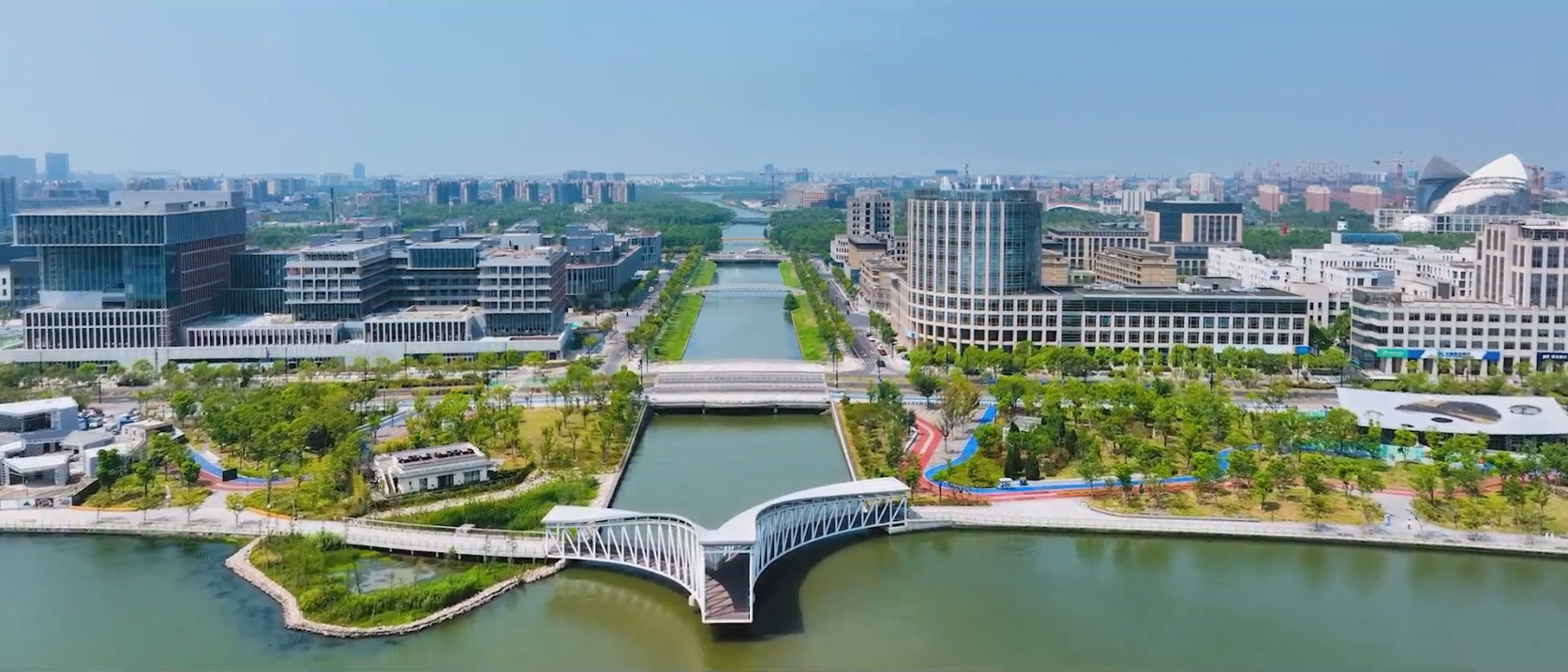
Enhancing Air Quality: The Role of Roof Planting Boxes in Urban Environments
Enhancing Air Quality: The Role of Roof Planting Boxes in Urban Environments
Table of Contents
Introduction to Roof Planting Boxes
Understanding the Importance of Air Quality
Benefits of Roof Planting Boxes for Air Quality
Design Considerations for Effective Planting Boxes
Maintenance Tips for Roof Planting Boxes
Case Studies: Successful Implementations
The Future of Roof Planti
Enhancing Air Quality: The Role of Roof Planting Boxes in Urban Environments
Table of Contents
- Introduction to Roof Planting Boxes
- Understanding the Importance of Air Quality
- Benefits of Roof Planting Boxes for Air Quality
- Design Considerations for Effective Planting Boxes
- Maintenance Tips for Roof Planting Boxes
- Case Studies: Successful Implementations
- The Future of Roof Planting Boxes in Urban Planning
- Frequently Asked Questions
- Conclusion
Introduction to Roof Planting Boxes
In today's urban landscapes, where concrete jungles dominate the skyline, improving **air quality** has become a critical focus for city planners and residents alike. One innovative solution that has gained traction is the installation of **roof planting boxes**. These green spaces not only add aesthetic value to buildings but also play a crucial role in enhancing the **overall health of urban environments**. In this article, we will explore how roof planting boxes can contribute to improved air quality, the benefits they provide, and the best practices for their design and maintenance.
Understanding the Importance of Air Quality
Air quality is fundamental to public health, influencing everything from respiratory conditions to **cardiovascular diseases**. Poor air quality, often exacerbated by urbanization and industrial activities, poses significant risks to inhabitants of urban areas. According to the World Health Organization (WHO), air pollution is responsible for millions of premature deaths each year.
Key factors contributing to air quality degradation include:
- **Vehicle emissions**
- **Industrial discharges**
- **Construction dust**
- **Chemical pollutants**
By addressing these factors, we can create healthier living spaces. Roof planting boxes serve as an effective method to mitigate air pollution, offering a natural solution to urban air quality challenges.
Benefits of Roof Planting Boxes for Air Quality
Integrating roof planting boxes into urban architecture comes with a multitude of benefits that extend beyond mere aesthetics. Here are some compelling reasons why they should be considered:
1. Natural Air Filtration
Plants are known for their ability to absorb carbon dioxide and release oxygen through photosynthesis. Roof planting boxes can effectively filter harmful pollutants, including volatile organic compounds (VOCs) and particulate matter, thus improving the quality of air.
2. Temperature Regulation
Green roofs help in regulating building temperatures, reducing the **urban heat island effect**. By keeping buildings cooler, they lower the demand for air conditioning, which in turn decreases energy consumption and reduces emissions from power plants.
3. Increased Biodiversity
Roof planting boxes can serve as micro-ecosystems, attracting various species of birds, insects, and beneficial organisms. This increased biodiversity can further contribute to healthier urban environments and improved air quality.
4. Noise Pollution Reduction
The presence of plants can help absorb sound, making urban spaces quieter and more pleasant. This is an often-overlooked benefit of roof planting boxes, enhancing the quality of life for residents.
5. Stormwater Management
Roof planting boxes can aid in managing stormwater runoff, reducing the burden on urban drainage systems. This helps prevent flooding and minimizes the washout of pollutants into waterways, thereby indirectly improving air quality.
Design Considerations for Effective Planting Boxes
Designing roof planting boxes requires careful planning to ensure their effectiveness and longevity. Here are some essential considerations:
1. Plant Selection
Choose plants that are resilient and suited for the local climate. Native plants are often the best choice as they require less maintenance and provide habitats for local wildlife.
2. Soil Composition
The soil in planting boxes should be lightweight yet nutrient-rich. A well-aerated soil mix promotes healthy root growth and maximizes the plants' ability to filter air pollutants.
3. Irrigation Systems
Consider incorporating a drip irrigation system or rainwater harvesting to maintain moisture levels without excessive water waste. Efficient irrigation is crucial for the health of the plants and the success of the roof garden.
4. Structural Integrity
Ensure that the building can support the added weight of soil and plants. A structural engineer's assessment may be necessary to prevent any issues down the line.
5. Accessibility and Maintenance
Design planting boxes with accessibility in mind. Regular maintenance is essential to keep plants healthy and ensure that air quality benefits are maximized.
Maintenance Tips for Roof Planting Boxes
Proper maintenance is critical for the sustainability of roof planting boxes. Here are some practical tips:
1. Regular Inspections
Conduct routine checks to identify issues such as plant diseases or pest infestations. Early detection can prevent more significant problems that could affect air quality.
2. Watering and Fertilization
Monitor moisture levels and ensure plants receive adequate water, especially during dry spells. Organic fertilizers can help maintain nutrient levels in the soil.
3. Pruning and Replanting
Regularly prune plants to encourage healthy growth and remove any dead or diseased foliage. Consider replanting seasonal blooms to keep the planting boxes vibrant year-round.
Case Studies: Successful Implementations
Several cities around the world have successfully implemented roof planting boxes, leading to notable improvements in air quality and urban living.
1. New York City's Green Roof Initiative
New York City has embraced green roofs with various initiatives promoting their installation. The city reports significant reductions in heat and improved air quality in neighborhoods where green roofs are prevalent.
2. Singapore's Urban Greening Program
Singapore is renowned for its commitment to green spaces. The implementation of roof planting boxes on commercial and residential buildings has contributed to the city’s biodiversity and air purification efforts.
3. Toronto’s Living Roofs By-Law
Toronto's by-law mandates that new developments include green roofs, which has led to an increase in urban greenery and a marked improvement in local air quality.
The Future of Roof Planting Boxes in Urban Planning
As cities continue to grow and urbanize, the role of roof planting boxes will become increasingly vital. Future urban planning will likely focus on integrating green technologies to combat air pollution and enhance residents' quality of life. Policymakers and architects must collaborate to create incentives for the adoption of these sustainable practices.
Emerging technologies, such as smart irrigation systems and data-driven plant management, can further optimize the effectiveness of roof planting boxes. As awareness of environmental issues increases, we can expect a growing interest in adopting such green solutions.
Frequently Asked Questions
1. What are roof planting boxes?
Roof planting boxes are specially designed containers filled with soil and plants that are installed on rooftops to create green spaces.
2. How do roof planting boxes improve air quality?
They improve air quality by filtering out pollutants, absorbing carbon dioxide, and releasing oxygen through photosynthesis.
3. Can any building support roof planting boxes?
Not all buildings are structurally equipped to support the weight of soil and plants. A structural assessment is recommended before installation.
4. What types of plants are suitable for roof planting boxes?
Native plants and drought-resistant species are ideal choices as they typically require less maintenance.
5. How can I maintain my roof planting boxes?
Regular inspections, watering, and seasonal pruning are essential to keep your roof planting boxes healthy and thriving.
Conclusion
Roof planting boxes represent a compelling solution to enhance air quality in urban environments. Their multifaceted benefits, coupled with their ability to foster biodiversity and regulate temperatures, position them as a vital component in city planning. As urban areas continue to expand, adopting green infrastructure like roof planting boxes can pave the way for healthier, more sustainable cities. By prioritizing these initiatives, we can collectively work towards a cleaner, greener future.
Roof planting box


Address: Building B2, No. 188, Hailuo Road, Quanjiao County, Chuzhou City, Anhui Province,China
yajing


Messages