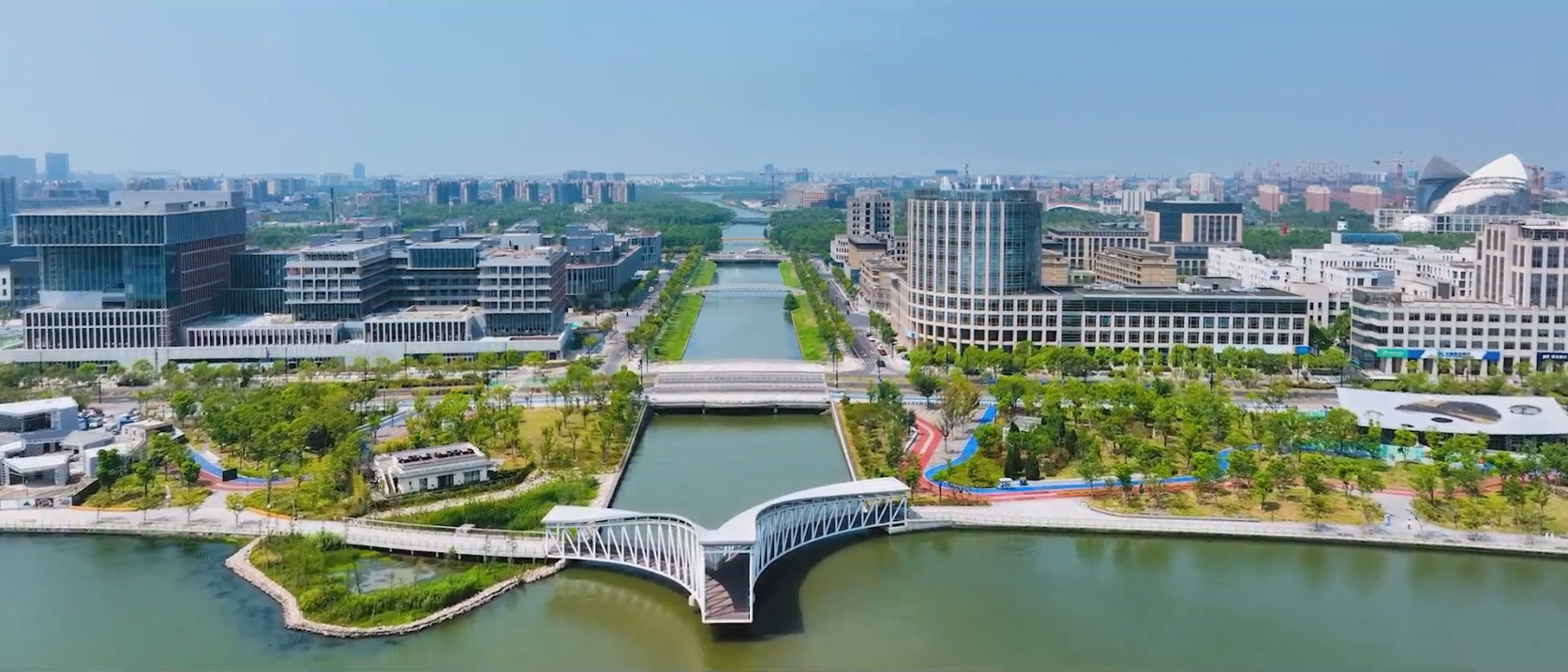
Effective Surface Drainage Solutions for Urban Roads
In urban environments, effective surface drainage for roads is crucial for maintaining road safety and durability. As rainwater collects on road surfaces, it can lead to hazardous driving conditions, increased vehicle wear and tear, and ultimately, damage to the road infrastructure itself. A well-designed surface drainage system can mitigate these issues by efficiently directing water away from ro
In urban environments, effective surface drainage for roads is crucial for maintaining road safety and durability. As rainwater collects on road surfaces, it can lead to hazardous driving conditions, increased vehicle wear and tear, and ultimately, damage to the road infrastructure itself. A well-designed surface drainage system can mitigate these issues by efficiently directing water away from roadways, reducing the likelihood of flooding and erosion.
Surface drainage typically involves the use of various components, including gutters, ditches, and drainage pipes that work together to channel water away from road surfaces. One of the primary objectives of surface drainage systems is to ensure that water does not accumulate on the road, which can cause hydroplaning, reduce visibility, and lead to accidents. Urban planners and engineers must carefully design these systems, considering factors such as local rainfall patterns, soil types, and the topography of the area.
One effective approach to surface drainage is the implementation of graded roadways. By creating a slight slope toward designated drainage points, water can be efficiently directed to collection areas. Additionally, the use of permeable materials for road surfaces can enhance water infiltration, reducing runoff and allowing water to seep into the ground rather than pooling on the surface.
Another important aspect of surface drainage is the maintenance of existing drainage systems. Regular inspection and cleaning of gutters, drains, and pipes are essential to prevent blockages caused by debris, sediment, and vegetation. Neglecting maintenance can lead to ineffective drainage, which can cause flooding and accelerate road deterioration.
In urban settings, where space can be limited, innovative solutions such as bioswales and green roofs can be integrated into surface drainage designs. These eco-friendly alternatives not only manage stormwater effectively but also improve the aesthetic appeal of urban landscapes. Bioswales, which are shallow, vegetated channels, can absorb and filter runoff before it enters conventional drainage systems, thus enhancing water quality.
Collaboration among architects, engineers, and urban planners is essential for developing comprehensive surface drainage strategies. By considering drainage solutions early in the design phase, stakeholders can ensure that water management is seamlessly integrated into the overall infrastructure, thus minimizing future complications.
In conclusion, effective surface drainage for urban roads is vital for ensuring public safety, enhancing road longevity, and promoting sustainable urban development. By incorporating innovative techniques and maintaining existing systems, cities can better manage stormwater and protect their infrastructure from the adverse effects of weather-related challenges.
Surface drainage typically involves the use of various components, including gutters, ditches, and drainage pipes that work together to channel water away from road surfaces. One of the primary objectives of surface drainage systems is to ensure that water does not accumulate on the road, which can cause hydroplaning, reduce visibility, and lead to accidents. Urban planners and engineers must carefully design these systems, considering factors such as local rainfall patterns, soil types, and the topography of the area.
One effective approach to surface drainage is the implementation of graded roadways. By creating a slight slope toward designated drainage points, water can be efficiently directed to collection areas. Additionally, the use of permeable materials for road surfaces can enhance water infiltration, reducing runoff and allowing water to seep into the ground rather than pooling on the surface.
Another important aspect of surface drainage is the maintenance of existing drainage systems. Regular inspection and cleaning of gutters, drains, and pipes are essential to prevent blockages caused by debris, sediment, and vegetation. Neglecting maintenance can lead to ineffective drainage, which can cause flooding and accelerate road deterioration.
In urban settings, where space can be limited, innovative solutions such as bioswales and green roofs can be integrated into surface drainage designs. These eco-friendly alternatives not only manage stormwater effectively but also improve the aesthetic appeal of urban landscapes. Bioswales, which are shallow, vegetated channels, can absorb and filter runoff before it enters conventional drainage systems, thus enhancing water quality.
Collaboration among architects, engineers, and urban planners is essential for developing comprehensive surface drainage strategies. By considering drainage solutions early in the design phase, stakeholders can ensure that water management is seamlessly integrated into the overall infrastructure, thus minimizing future complications.
In conclusion, effective surface drainage for urban roads is vital for ensuring public safety, enhancing road longevity, and promoting sustainable urban development. By incorporating innovative techniques and maintaining existing systems, cities can better manage stormwater and protect their infrastructure from the adverse effects of weather-related challenges.
Surface drainage for urban roads


Address: Building B2, No. 188, Hailuo Road, Quanjiao County, Chuzhou City, Anhui Province,China
yajing


Messages