Rainwater Harvesting: A Green Solution to Multiple Crises
As a natural source of freshwater, rainwater, when properly collected and utilized, is becoming a crucial pathway to addressing many challenges faced by humanity, such as water scarcity, ecological degradation, and livelihood security. It provides green momentum for sustainable development.
The most direct benefit of rainwater harvesting is alleviating water shortages. With global freshwater resources under strain, many regions suffer from drought, water scarcity, and over-extraction of groundwater. Rainwater harvesting converts natural precipitation into usable water for purposes such as landscape irrigation, street cleaning, and industrial cooling. This reduces dependence on surface water and groundwater, helps bridge water supply gaps, and ensures basic water needs for production and daily life.
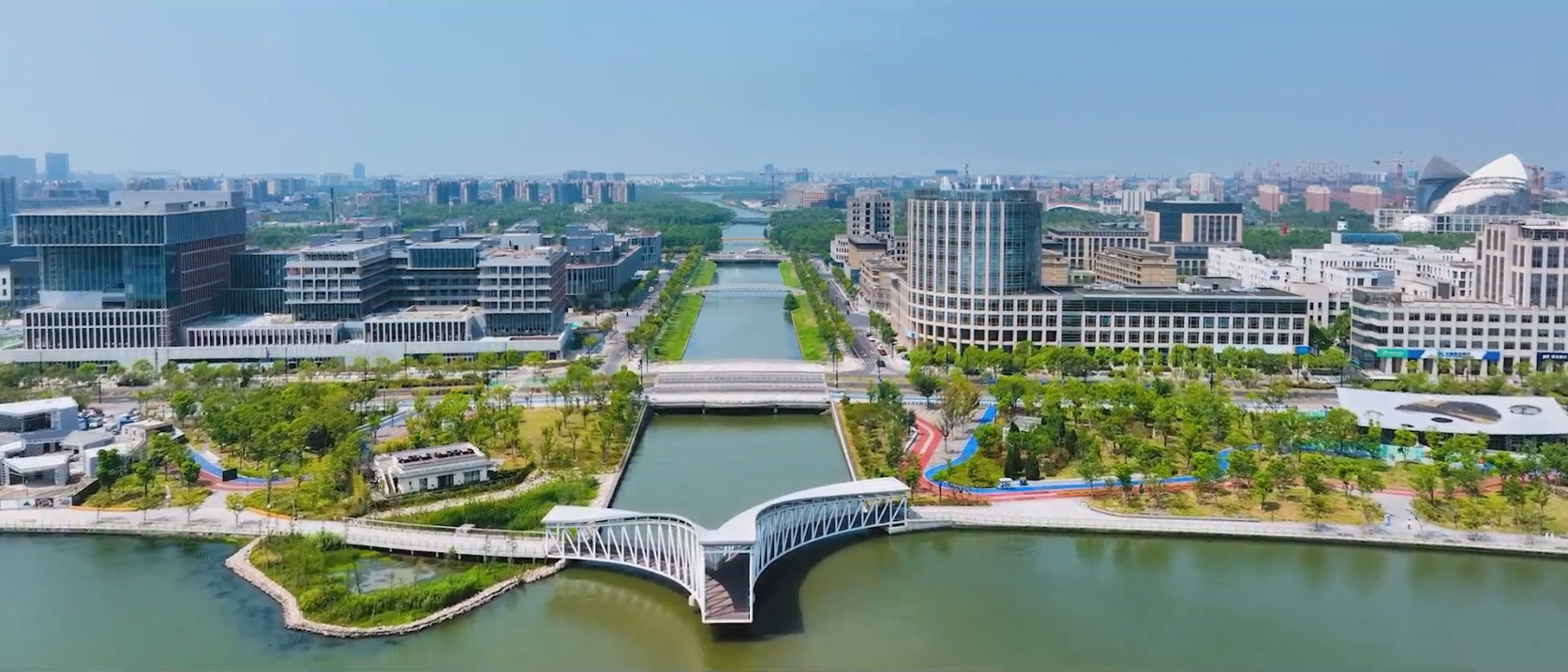
Second, rainwater harvesting improves the ecological environment and reduces flood risks. In the process of urbanization, the increase in impervious surfaces accelerates stormwater runoff, making cities more prone to flooding. Rainwater harvesting systems store rainwater, slow down runoff, and lower the risk of urban flooding. At the same time, the harvested rainwater can be used for vegetation irrigation, which enhances urban greening, recharges groundwater, restores the water cycle, and mitigates the heat island effect, making cities more ecologically resilient.
In addition, rainwater harvesting helps lower water costs and supports energy conservation and emission reduction. Compared to tap water treatment and groundwater extraction, rainwater harvesting involves simpler treatment processes and lower costs. It reduces the pressure on water supply systems and energy consumption, while also decreasing wastewater discharge and easing the burden on sewage treatment. This achieves the dual benefits of "expanding sources and reducing consumption."
In remote, water-scarce areas, rainwater harvesting is essential for ensuring people's livelihoods. By constructing rainwater storage tanks, it is possible to meet residents' drinking water needs and support farmland irrigation, thereby improving living conditions and contributing to rural revitalization. Though simple in concept, rainwater harvesting connects multiple dimensions—water resources, ecology, and people's livelihoods—offering a sustainable green solution to the development challenges facing humanity.
Rainwater harvesting system,soakaway crates


Address: Building B2, No. 188, Hailuo Road, Quanjiao County, Chuzhou City, Anhui Province,China
yajing


Messages