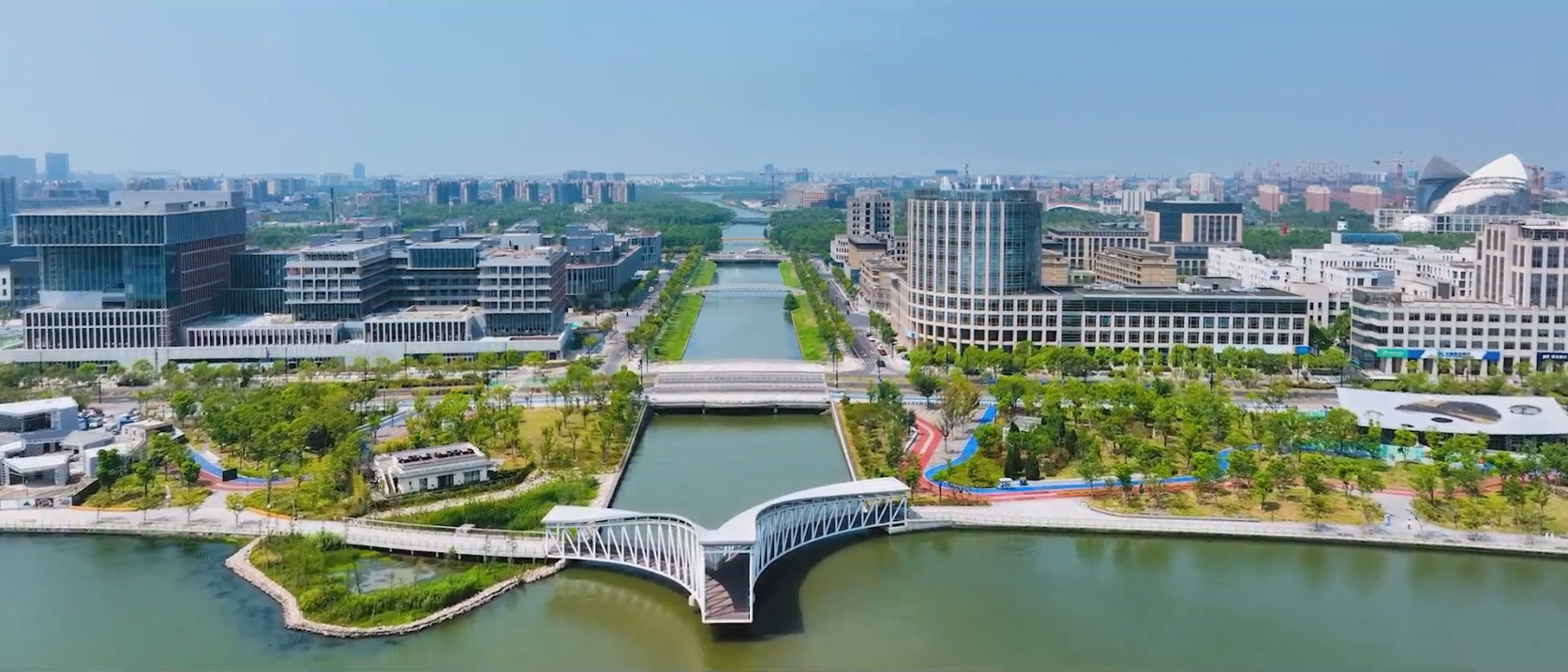
Stormwater Defenses in the City: The Protective Power of Drainage Channels
With the increasing frequency of extreme rainstorms, urban flooding and waterlogging have become common hazards. The drainage channels woven throughout city streets, roads, and industrial parks serve as a fundamental defense against stormwater accumulation, safeguarding urban safety. Though often overlooked, these channel systems operate efficiently during heavy rainfall, undertaking the critical tasks of collecting, conveying, and discharging water. They are an indispensable core component of urban flood control and drainage systems.
The core value of drainage channels lies in their ability to rapidly divert stormwater and prevent the formation of waterlogging. When heavy rain strikes, impervious paved surfaces cannot absorb water, causing it to quickly pool and form widespread puddles. This not only obstructs pedestrian and vehicle traffic but also creates water films on road surfaces, reducing friction and increasing the risk of vehicle skidding and other hazards. Standardized drainage channels promptly collect rainwater from roads, green spaces, and building perimeters, channeling it through orderly conduits to municipal sewer systems or storage facilities. This significantly reduces the extent and depth of surface water accumulation, helping maintain normal urban traffic flow.
Moreover, drainage channels effectively protect urban infrastructure and mitigate the damage caused by heavy rains. Persistent water accumulation can saturate and erode roadbeds, leading over time to pavement cracking, subsidence, or even collapse, thereby damaging municipal roads. Well-functioning drainage channels quickly remove standing water, preventing prolonged erosion of roadbeds, green belts, and building foundations. This stabilizes urban infrastructure, reduces maintenance costs and safety risks associated with heavy rains, and extends the service life of municipal facilities.
Today, with the advancement of sponge city construction, new-generation drainage channels offer significantly enhanced performance. Prefabricated channels made of resin concrete or HDPE feature high load-bearing capacity, large discharge volumes, and resistance to clogging, making them well-suited for intense rainstorms. Equipped with trash and sediment interception structures, they not only drain efficiently but also block debris, preventing sewer blockages. Some systems can also interface with rainwater harvesting setups, enabling the beneficial reuse of rainwater resources and balancing flood control with water conservation.
Though modest in appearance, drainage channels carry great responsibility for safety. In the face of torrential rains, a well-designed drainage channel system acts as the city's "capillaries." Only through routine maintenance and the upgrade of advanced drainage facilities can this urban defense line continue to perform effectively, enabling the city to confidently withstand heavy storms while safeguarding both its inhabitants and its orderly operation.
Plastic rainwater storage tank,soakaway crates,Rainwater harvesting system


Address: Building B2, No. 188, Hailuo Road, Quanjiao County, Chuzhou City, Anhui Province,China
yajing


Messages