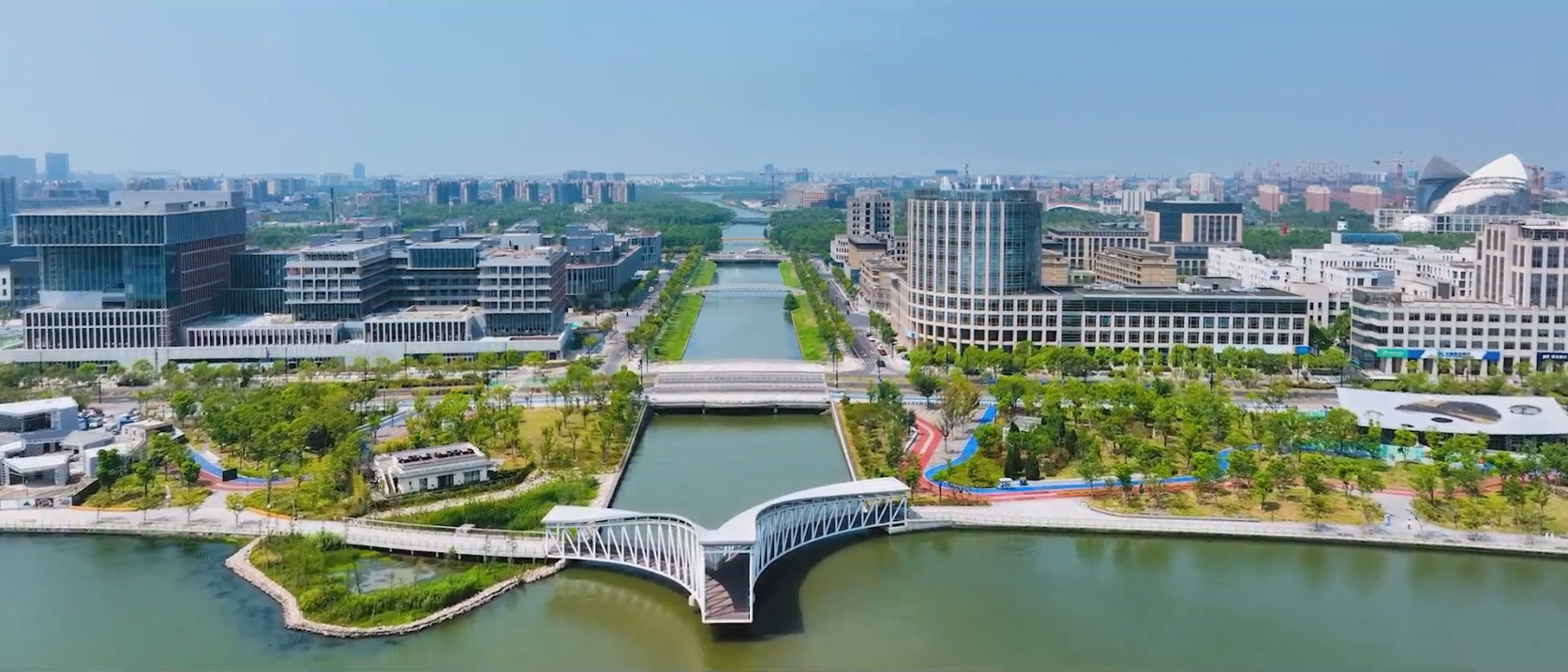
PP Module Rainwater Collection Tanks: An Ideal Choice for Sponge City Development
With the continuous advancement of sponge city initiatives, rainwater resource utilization has become an important strategy for ecological water management. Compared with traditional concrete and brick-built storage tanks, PP module rainwater collection tanks offer multiple advantages and are widely used in residential landscaping, municipal projects, industrial parks, and other applications. They have become a mainstream solution for rainwater storage, regulation, and reuse.
Efficient Water Storage and Stable Performance Are Core Advantages
PP modules feature a hollow grid structure with a void ratio of up to 95%. Under the same footprint, they provide significantly greater water storage capacity than traditional tanks, greatly improving water resource utilization efficiency. Made from food-grade polypropylene (PP), the modules are non-toxic, odorless, and free from harmful substance release, ensuring clean and safe rainwater storage. The collected rainwater can be directly reused for landscape irrigation, road cleaning, and water replenishment for decorative features.
Meanwhile, PP material offers excellent resistance to high and low temperatures, corrosion, and aging. It can withstand various complex underground environments, providing high compressive strength and excellent structural stability. Even when buried deep underground, the modules are resistant to deformation and damage, with a service life of more than 50 years, ensuring long-term and reliable performance.
Easy Installation and Short Construction Period
One of the major advantages of PP module rainwater collection tanks is their convenient installation and significantly reduced construction time. Traditional concrete tanks require complex procedures such as formwork installation, concrete pouring, and curing, resulting in long construction periods.
In contrast, PP modules adopt a modular assembly design. Similar to building blocks, they can be quickly assembled on-site without the need for large construction equipment. The simple and efficient installation process allows excavation, module assembly, and backfilling to be completed within the same day, greatly shortening the construction cycle.
The lightweight structure and stackable packaging design also help reduce transportation volume, lowering logistics costs and reducing labor requirements.
Energy Saving, Environmental Protection, Flexible Adaptation, and Low Maintenance
PP rainwater collection modules provide unique value through their environmental benefits, flexibility, and easy operation. The modules are 100% recyclable and reusable, generating no construction waste during installation. They support low-carbon construction and fully align with the concept of green building development.
The modular design allows flexible combinations according to different site sizes and terrain conditions. The system can be customized to fit various layouts without being restricted by site shapes, offering excellent adaptability.
Since the storage tank is installed underground, it does not occupy surface space or affect landscape design and land utilization. In addition, the system requires minimal maintenance after installation, significantly reducing long-term operation and maintenance costs.
Conclusion
In summary, PP module rainwater collection tanks combine practicality, economic efficiency, and environmental sustainability. As an ideal solution for rainwater resource utilization, they provide strong support for urban water conservation, rainwater management, and ecological environment improvement, helping cities achieve greener and more sustainable development.
PPWaterStorageModules,RainwaterHarvesting,SpongeCity,WaterConservation


Address: Building B2, No. 188, Hailuo Road, Quanjiao County, Chuzhou City, Anhui Province,China
yajing


Messages