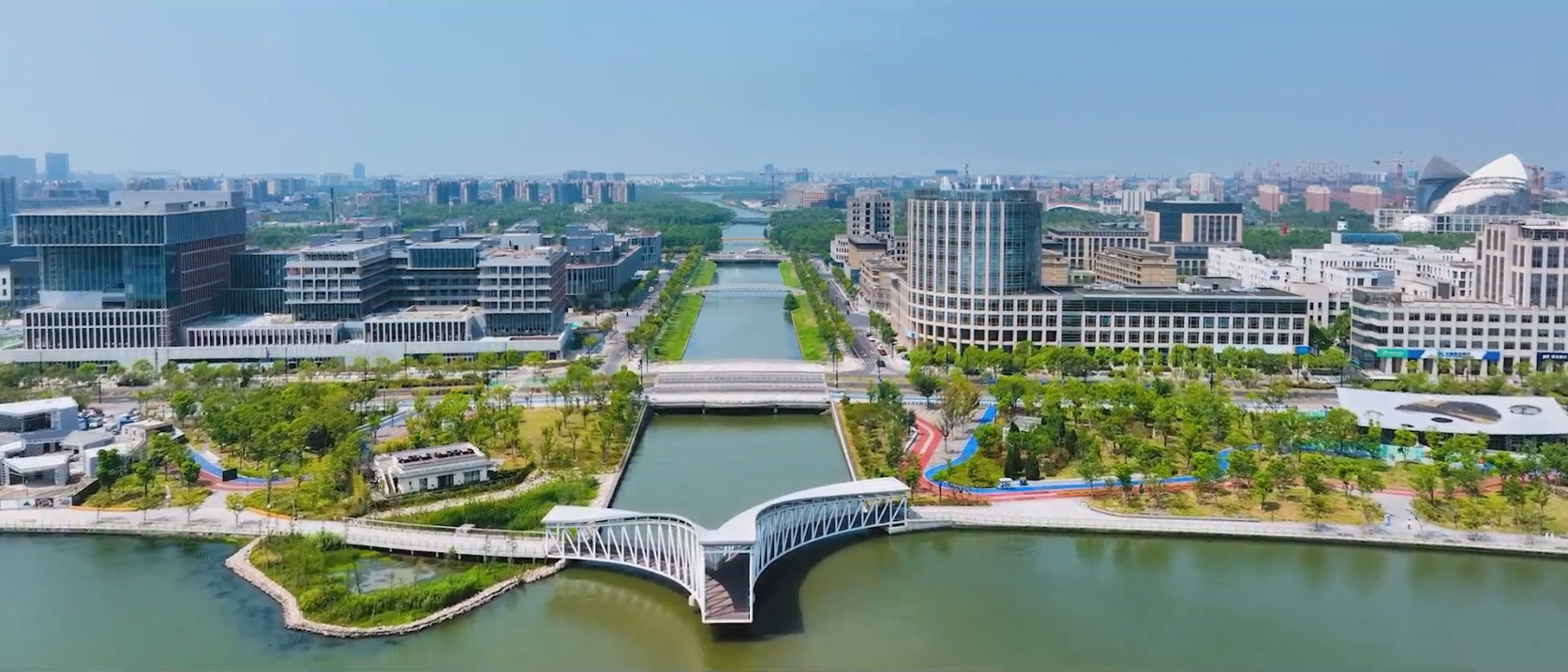
The Essential Elements of a High-Performing Surface Rainwater Transport System
The Essential Elements of a High-Performing Surface Rainwater Transport System
Table of Contents
1. Introduction to Surface Rainwater Transport Systems
2. Importance of Efficient Rainwater Management
3. Key Components of a High-Performing System
3.1. Drainage Channels
3.2. Grates and Inlets
3.3. Piping Systems
3.4. Outfalls and Discharge Points
3.5. Control Structures
4. Material Considerations fo
The Essential Elements of a High-Performing Surface Rainwater Transport System
Table of Contents
1. Introduction to Surface Rainwater Transport Systems
2. Importance of Efficient Rainwater Management
3. Key Components of a High-Performing System
3.1. Drainage Channels
3.2. Grates and Inlets
3.3. Piping Systems
3.4. Outfalls and Discharge Points
3.5. Control Structures
4. Material Considerations for Durability and Efficiency
5. Design Principles for Optimal Performance
6. Maintenance Practices to Ensure Longevity
7. Innovations in Rainwater Transport Technology
8. Frequently Asked Questions (FAQs)
9. Conclusion
1. Introduction to Surface Rainwater Transport Systems
Surface rainwater transport systems are essential infrastructures designed to efficiently manage rainfall runoff. These systems play a critical role in urban planning and environmental sustainability. By effectively channeling rainwater, we can prevent flooding, reduce soil erosion, and minimize water contamination. In this article, we will delve into the essential elements that contribute to a high-performing surface rainwater transport system.
2. Importance of Efficient Rainwater Management
Effective rainwater management is crucial for urban environments. As cities expand, the increase in impervious surfaces like roads and pavements leads to higher volumes of runoff. This not only puts a strain on drainage systems but also increases the risk of flooding. A well-designed surface rainwater transport system mitigates these risks by ensuring that rainwater is collected and transported away efficiently. Moreover, it contributes to groundwater recharge and helps maintain the natural hydrological cycle.
3. Key Components of a High-Performing System
To create an efficient surface rainwater transport system, several key components must be integrated into the design. Each element plays a vital role in ensuring the system functions effectively.
3.1. Drainage Channels
Drainage channels are vital for guiding water away from areas where it can cause damage. These channels can be constructed from concrete, metal, or plastic, depending on the application and expected load. The design of drainage channels must ensure a smooth flow of water, minimizing blockages and maximizing efficiency.
3.2. Grates and Inlets
Grates and inlets serve as the entry points for rainwater into the drainage system. They should be strategically placed to capture runoff from impervious surfaces while preventing debris from entering. The design should also consider the capacity required to handle peak rainfall events.
3.3. Piping Systems
Piping systems transport collected rainwater from drainage channels to discharge points. Proper sizing is critical to accommodate varying flow rates. The materials chosen for piping must be durable and resistant to corrosion and blockages, ensuring long-term functionality.
3.4. Outfalls and Discharge Points
Outfalls are the final stage of the rainwater transport system. Strategic placement of outfalls can prevent downstream flooding and ensure that discharged water does not negatively impact surrounding areas. It’s essential to design outfalls to manage the energy of flowing water, reducing the potential for erosion.
3.5. Control Structures
Control structures, such as weirs and retention basins, are implemented to manage the flow and quality of rainwater. They allow for the controlled release of water, ensuring that peak flows do not overwhelm the system. Additionally, they can aid in sedimentation, improving water quality before discharge.
4. Material Considerations for Durability and Efficiency
Selecting the right materials for each component of the rainwater transport system is critical for its overall durability and efficiency. Common materials include:
- **Concrete:** Known for its strength and longevity, concrete is often used for drainage channels and outfalls. However, it can be susceptible to cracking if not properly designed.
- **HDPE (High-Density Polyethylene):** This lightweight, flexible material is ideal for piping systems as it resists corrosion and is easy to install.
- **Metal Grates:** Stainless steel or galvanized metal grates offer durability and strength, essential for withstanding heavy loads.
Choosing materials that can endure environmental stresses while providing efficient flow can significantly enhance system performance.
5. Design Principles for Optimal Performance
Designing a high-performing surface rainwater transport system requires a comprehensive understanding of hydrology, site conditions, and regulatory requirements. Here are key design principles to consider:
- **Topography Analysis:** Understanding the natural slope of the land helps in determining the most efficient routing for drainage channels.
- **Hydraulic Consideration:** Calculating flow rates and velocities ensures that the system can handle peak rainfall without overflowing.
- **Sustainability Focus:** Incorporating green infrastructure, such as bioswales and permeable pavements, can improve runoff quality and reduce the volume of water requiring transport.
By adhering to these design principles, we can ensure the reliability and efficacy of the rainwater transport system.
6. Maintenance Practices to Ensure Longevity
Regular maintenance is vital for the longevity and performance of a rainwater transport system. Key maintenance practices include:
- **Routine Inspections:** Regularly check drainage channels, grates, and inlets for blockages or damage.
- **Cleaning:** Remove debris from grates and inlets to ensure efficient water flow.
- **Repairing Damage:** Address cracks in concrete or leaks in piping systems promptly to prevent further deterioration.
Establishing a maintenance schedule ensures that the system operates efficiently throughout its lifespan.
7. Innovations in Rainwater Transport Technology
The field of rainwater management is continuously evolving, with advancements in technology leading to improved systems. Some notable innovations include:
- **Smart Sensors:** These devices can monitor flow rates and water quality, allowing for real-time adjustments and maintenance alerts.
- **Modular Systems:** Prefabricated modular components can be efficiently assembled on-site, reducing construction time and improving consistency in quality.
- **Sustainable Materials:** Research into biodegradable and recycled materials is paving the way for more environmentally friendly rainwater transport solutions.
By embracing these innovations, we can enhance the performance and sustainability of surface rainwater transport systems.
8. Frequently Asked Questions (FAQs)
1. What is a surface rainwater transport system?
A surface rainwater transport system is designed to collect and channel rainwater runoff to prevent flooding and erosion while ensuring proper drainage.
2. Why is efficient rainwater management important?
Efficient rainwater management helps mitigate flooding, reduces soil erosion, and maintains water quality in nearby water bodies.
3. What materials are best for constructing drainage channels?
Common materials include concrete, HDPE, and metal, each offering unique benefits in terms of strength, durability, and resistance.
4. How often should maintenance be performed on a rainwater system?
Routine inspections should be conducted at least twice a year, with cleaning and repairs done as needed.
5. What are the benefits of using smart technology in rainwater transport systems?
Smart technology allows for real-time monitoring and management, improving system performance and enabling proactive maintenance.
9. Conclusion
In conclusion, a well-designed surface rainwater transport system is essential for effective rainwater management in urban environments. By understanding the critical components, material considerations, design principles, and maintenance practices, we can create systems that not only perform efficiently but also contribute to environmental sustainability. Embracing innovations in technology further enhances our ability to manage rainwater effectively, ensuring that we are prepared for the challenges posed by increasing urbanization and climate change. Investing in high-performing surface rainwater transport systems today will pave the way for a more sustainable tomorrow.
Surface rainwater transport system


Address: Building B2, No. 188, Hailuo Road, Quanjiao County, Chuzhou City, Anhui Province,China
yajing


Messages