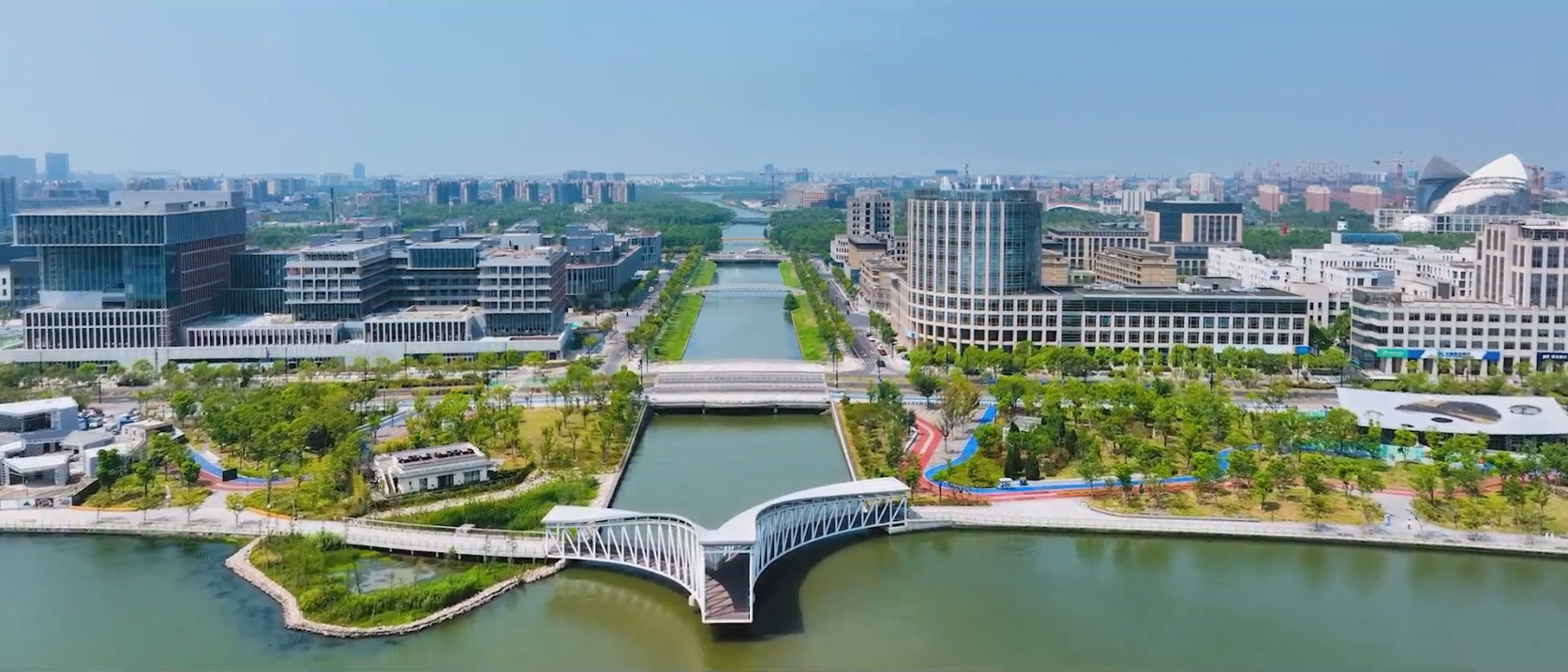
Understanding Hydrodynamic Automatic Flood Barriers: A Key to Effective Flood Management
In recent years, flooding has become a prevalent concern for urban planners, architects, and builders, particularly in areas prone to heavy rainfall or rising water levels. One significant advancement in flood management technology is the hydrodynamic automatic flood barrier. These barriers are designed to protect properties from flooding by utilizing the principles of hydrodynamics to respond eff
In recent years, flooding has become a prevalent concern for urban planners, architects, and builders, particularly in areas prone to heavy rainfall or rising water levels. One significant advancement in flood management technology is the hydrodynamic automatic flood barrier. These barriers are designed to protect properties from flooding by utilizing the principles of hydrodynamics to respond effectively to rising water levels.
Hydrodynamic automatic flood barriers operate through a system that is both efficient and responsive. Unlike traditional flood barriers that require manual setup, these automatic systems deploy themselves when a certain water level is detected. This feature is particularly advantageous in emergency situations where time is of the essence. The barriers use water pressure to rise and seal off vulnerable areas, creating a protective wall against incoming floodwaters.
The design of these barriers often includes robust materials that can withstand significant water pressure and environmental wear, ensuring durability and reliability. They can be integrated into various building and construction projects as part of a comprehensive flood management strategy. Incorporating hydrodynamic automatic flood barriers into architectural designs not only enhances safety but also boosts property value by reducing the risk of water damage.
These systems are particularly effective in urban areas where space is limited and traditional flood defenses may not be feasible. Their automatic nature allows for unobtrusive installation, maintaining the aesthetic and functionality of public spaces and private properties. Additionally, hydrodynamic barriers can be tailored to fit specific locations and requirements, making them versatile solutions for diverse environments.
Furthermore, these barriers contribute to sustainable development practices by minimizing the impact of flooding on infrastructure and natural ecosystems. They help maintain the integrity of drainage systems by preventing overflow and waterlogging, which can lead to extensive damage and costly repairs.
In summary, the implementation of hydrodynamic automatic flood barriers represents a significant advancement in flood management technology. They provide an innovative solution to a pressing global issue, enhancing resilience against flooding while ensuring the safety of communities and properties. As climate change continues to impact weather patterns, the importance of integrating such advanced systems into construction and drainage projects becomes increasingly crucial. Understanding the capabilities and benefits of hydrodynamic automatic flood barriers can help stakeholders make informed decisions, ultimately contributing to safer and more sustainable environments.
Hydrodynamic automatic flood barriers operate through a system that is both efficient and responsive. Unlike traditional flood barriers that require manual setup, these automatic systems deploy themselves when a certain water level is detected. This feature is particularly advantageous in emergency situations where time is of the essence. The barriers use water pressure to rise and seal off vulnerable areas, creating a protective wall against incoming floodwaters.
The design of these barriers often includes robust materials that can withstand significant water pressure and environmental wear, ensuring durability and reliability. They can be integrated into various building and construction projects as part of a comprehensive flood management strategy. Incorporating hydrodynamic automatic flood barriers into architectural designs not only enhances safety but also boosts property value by reducing the risk of water damage.
These systems are particularly effective in urban areas where space is limited and traditional flood defenses may not be feasible. Their automatic nature allows for unobtrusive installation, maintaining the aesthetic and functionality of public spaces and private properties. Additionally, hydrodynamic barriers can be tailored to fit specific locations and requirements, making them versatile solutions for diverse environments.
Furthermore, these barriers contribute to sustainable development practices by minimizing the impact of flooding on infrastructure and natural ecosystems. They help maintain the integrity of drainage systems by preventing overflow and waterlogging, which can lead to extensive damage and costly repairs.
In summary, the implementation of hydrodynamic automatic flood barriers represents a significant advancement in flood management technology. They provide an innovative solution to a pressing global issue, enhancing resilience against flooding while ensuring the safety of communities and properties. As climate change continues to impact weather patterns, the importance of integrating such advanced systems into construction and drainage projects becomes increasingly crucial. Understanding the capabilities and benefits of hydrodynamic automatic flood barriers can help stakeholders make informed decisions, ultimately contributing to safer and more sustainable environments.
Hydrodynamic automatic flood barrier


Address: Building B2, No. 188, Hailuo Road, Quanjiao County, Chuzhou City, Anhui Province,China
yajing


Messages