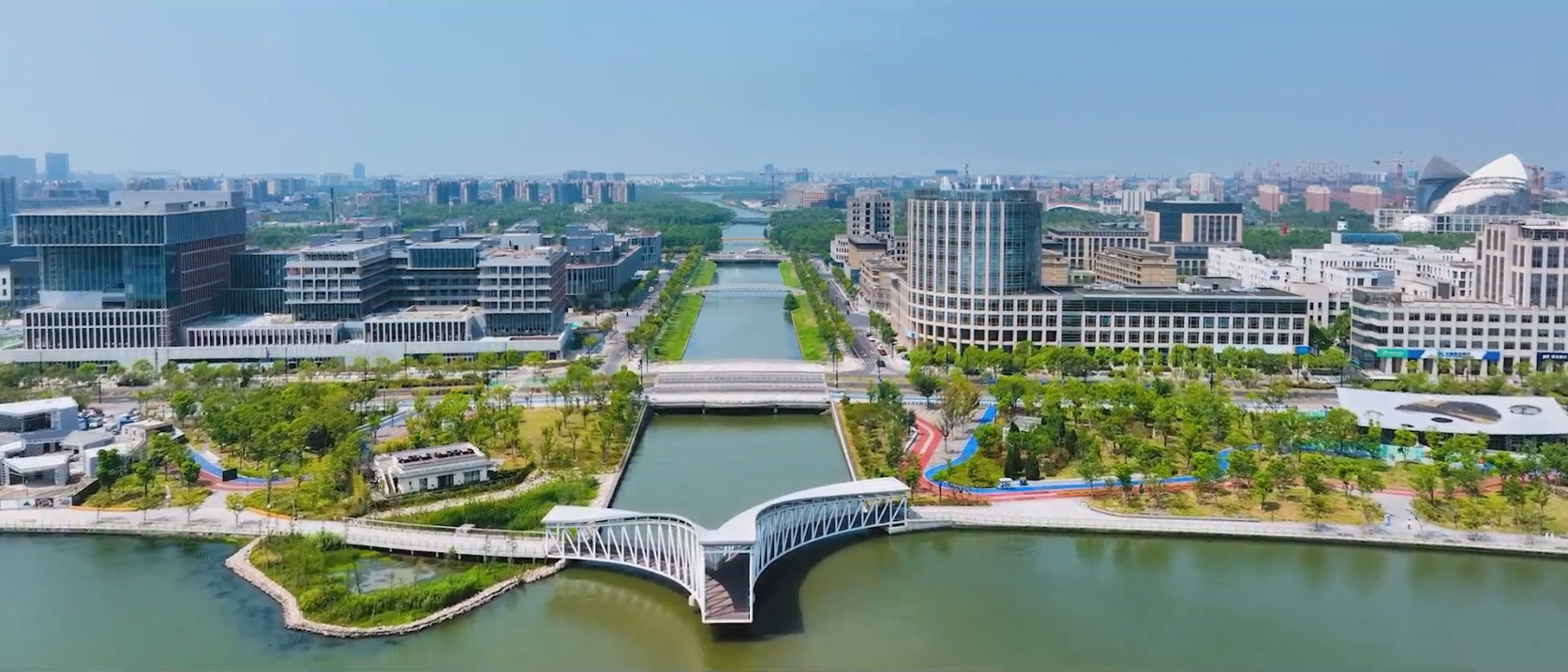
Creating a Sustainable Future with Effective Surface Rainwater Transport Solutions
Creating a Sustainable Future with Effective Surface Rainwater Transport Solutions
Table of Contents
1. Introduction to Sustainable Rainwater Management
2. The Importance of Surface Rainwater Transport Solutions
3. Challenges in Traditional Rainwater Management
4. Innovative Surface Rainwater Transport Solutions
4.1 Permeable Pavements
4.2 Green Ro
Creating a Sustainable Future with Effective Surface Rainwater Transport Solutions
Table of Contents
- 1. Introduction to Sustainable Rainwater Management
- 2. The Importance of Surface Rainwater Transport Solutions
- 3. Challenges in Traditional Rainwater Management
- 4. Innovative Surface Rainwater Transport Solutions
- 5. Implementation Strategies for Effective Solutions
- 6. Case Studies: Successful Applications
- 7. The Future of Rainwater Management
- 8. Frequently Asked Questions
- 9. Conclusion
1. Introduction to Sustainable Rainwater Management
As urban areas continue to expand, the challenges associated with rainwater management become increasingly pressing. **Sustainable rainwater management** is crucial for addressing issues such as flooding, water scarcity, and environmental degradation. Effective surface rainwater transport solutions play a vital role in managing stormwater runoff, ensuring that rainwater is effectively channeled and utilized. By focusing on innovative and sustainable techniques, we can create resilient urban environments that prioritize both ecological integrity and urban development.
2. The Importance of Surface Rainwater Transport Solutions
Surface rainwater transport solutions are essential for several key reasons:
- **Flood Mitigation**: With increasing rainfall intensity due to climate change, effective transport solutions can significantly reduce flooding risk by managing stormwater runoff efficiently.
- **Water Resource Management**: Harvesting rainwater contributes to local water supply, reducing dependency on traditional water sources.
- **Environmental Protection**: Proper management of rainwater prevents pollutants from entering natural waterways, protecting aquatic ecosystems.
- **Urban Heat Island Mitigation**: Green infrastructure, including landscaped areas, helps cool urban environments, contributing to better air quality and resident health.
Utilizing effective surface rainwater transport solutions not only addresses immediate urban challenges but also lays the foundation for sustainable community development.
3. Challenges in Traditional Rainwater Management
Traditional methods of rainwater management often fall short due to various factors, including:
- **Inefficient Drainage Systems**: Conventional drainage systems frequently lead to ponding and flooding, causing damage to infrastructure and property.
- **Environmental Degradation**: Many existing systems do not account for water quality, leading to contamination of local waterways.
- **Maintenance Issues**: Standard drainage systems require regular upkeep, which can be costly and often neglected.
- **Limited Capacity for Increased Rainfall**: As climate conditions change, many traditional systems are not equipped to handle the increased volume of stormwater.
Recognizing these limitations encourages the exploration of more effective, sustainable alternatives.
4. Innovative Surface Rainwater Transport Solutions
The adoption of innovative surface rainwater transport solutions is essential for modernizing urban infrastructure. Below, we explore some of the most effective strategies.
4.1 Permeable Pavements
**Permeable pavements** allow water to seep through the surface, reducing runoff and promoting groundwater recharge. Various materials, including porous asphalt and concrete, can be utilized to create these surfaces. Benefits include:
- Reduced surface runoff, leading to lower flood risks.
- Improved water quality as contaminants are filtered through the pavement.
- Increased green space and reduced urban heat island effects.
By integrating permeable pavements into roadways, parking lots, and sidewalks, cities can enhance their stormwater management systems.
4.2 Green Roofs
**Green roofs**, or living roofs, involve the installation of vegetation on building rooftops. These systems provide multiple benefits, including:
- Absorbing rainwater and reducing runoff.
- Insulating buildings, leading to energy savings.
- Enhancing biodiversity by providing habitats for various species.
Promoting green roofs in urban planning can significantly improve surface rainwater transport while also contributing to overall urban sustainability.
4.3 Bioretention Systems
**Bioretention systems**, often referred to as rain gardens, are designed to manage stormwater through the use of soil and plants. These systems effectively filter pollutants and allow for groundwater recharge. Key aspects include:
- The use of native plants that require minimal maintenance and provide habitat.
- Effective nutrient and pollutant removal, improving water quality before it enters natural water bodies.
- Aesthetic appeal, enhancing urban landscapes.
Integrating bioretention systems into city planning can lead to healthier urban environments.
4.4 Swales
**Swales** are shallow, vegetated channels designed to convey and treat stormwater. They help manage runoff while promoting infiltration and filtering of pollutants. Benefits include:
- Effective stormwater management in both urban and rural settings.
- Cost-effective solutions compared to traditional drainage systems.
- Improvement of local aesthetics and biodiversity.
Incorporating swales into roadways and landscapes can greatly enhance rainwater management efforts.
5. Implementation Strategies for Effective Solutions
To maximize the benefits of surface rainwater transport solutions, effective implementation strategies are necessary. Here are some key approaches:
- **Community Engagement**: Involve local communities in decision-making processes to ensure solutions meet their needs.
- **Education and Training**: Provide training for urban planners, engineers, and landscape architects to implement sustainable strategies effectively.
- **Regulatory Support**: Advocate for policies that incentivize the adoption of innovative rainwater management practices.
- **Integrated Planning**: Ensure that stormwater management is integrated into broader urban planning initiatives, considering land use, infrastructure, and environmental protection.
By employing these strategies, cities can successfully transition towards sustainable rainwater management systems.
6. Case Studies: Successful Applications
Examining successful case studies provides valuable insights into effective surface rainwater transport solutions.
- **Portland, Oregon**: Portland has implemented a comprehensive rainwater management strategy that includes green roofs, permeable pavements, and bioretention facilities. This initiative has significantly reduced flooding and improved water quality in local waterways.
- **Chicago, Illinois**: The city established a green alley program that converts traditional alleys into permeable surfaces. This initiative improves stormwater management and provides additional green space for residents.
- **Singapore**: Known for its innovative approach to urban planning, Singapore utilizes extensive green infrastructure, including green roofs and rain gardens, to manage stormwater. These efforts have transformed the city into a model for sustainable urban development.
These case studies demonstrate the effectiveness of integrating sustainable solutions into urban infrastructure.
7. The Future of Rainwater Management
Looking ahead, the future of rainwater management will be shaped by several key trends:
- **Technological Advancements**: Innovations in materials and monitoring technologies will enhance the efficacy of surface rainwater transport solutions.
- **Climate Resilience**: As climate change continues to impact weather patterns, effective rainwater management will become critical for urban resilience.
- **Collaboration Across Disciplines**: Architects, engineers, urban planners, and environmental scientists will need to work together to develop integrated solutions that address the complexities of urban water management.
By anticipating these trends, cities can proactively adapt their rainwater management strategies to ensure a sustainable future.
8. Frequently Asked Questions
What are surface rainwater transport solutions?
Surface rainwater transport solutions are strategies and systems designed to manage stormwater runoff effectively, ensuring that rainwater is captured, utilized, and filtered.
Why is effective rainwater management important?
Effective rainwater management is crucial for preventing flooding, promoting groundwater recharge, improving water quality, and protecting local ecosystems.
How do permeable pavements work?
Permeable pavements are designed to allow rainwater to infiltrate through their surface, reducing runoff and promoting groundwater recharge while filtering pollutants.
What benefits do green roofs provide?
Green roofs absorb rainwater, reduce runoff, insulate buildings, and enhance urban biodiversity while providing aesthetic benefits to the landscape.
How can communities get involved in rainwater management initiatives?
Communities can participate in local planning meetings, volunteer for green infrastructure projects, and advocate for policies that promote sustainable water management practices.
9. Conclusion
Creating a sustainable future with effective surface rainwater transport solutions is not only a necessity but an opportunity to enhance urban resilience and environmental health. By adopting innovative strategies such as permeable pavements, green roofs, bioretention systems, and swales, we can significantly improve stormwater management, reduce flooding, and enhance water quality.
As urban areas continue to grow, integrating these solutions into city planning will be essential for mitigating the impacts of climate change and ensuring a sustainable and livable future for our communities. Through collaboration, education, and technological innovation, we can pave the way toward a more sustainable approach to rainwater management.
Surface rainwater transport system


Address: Building B2, No. 188, Hailuo Road, Quanjiao County, Chuzhou City, Anhui Province,China
yajing


Messages