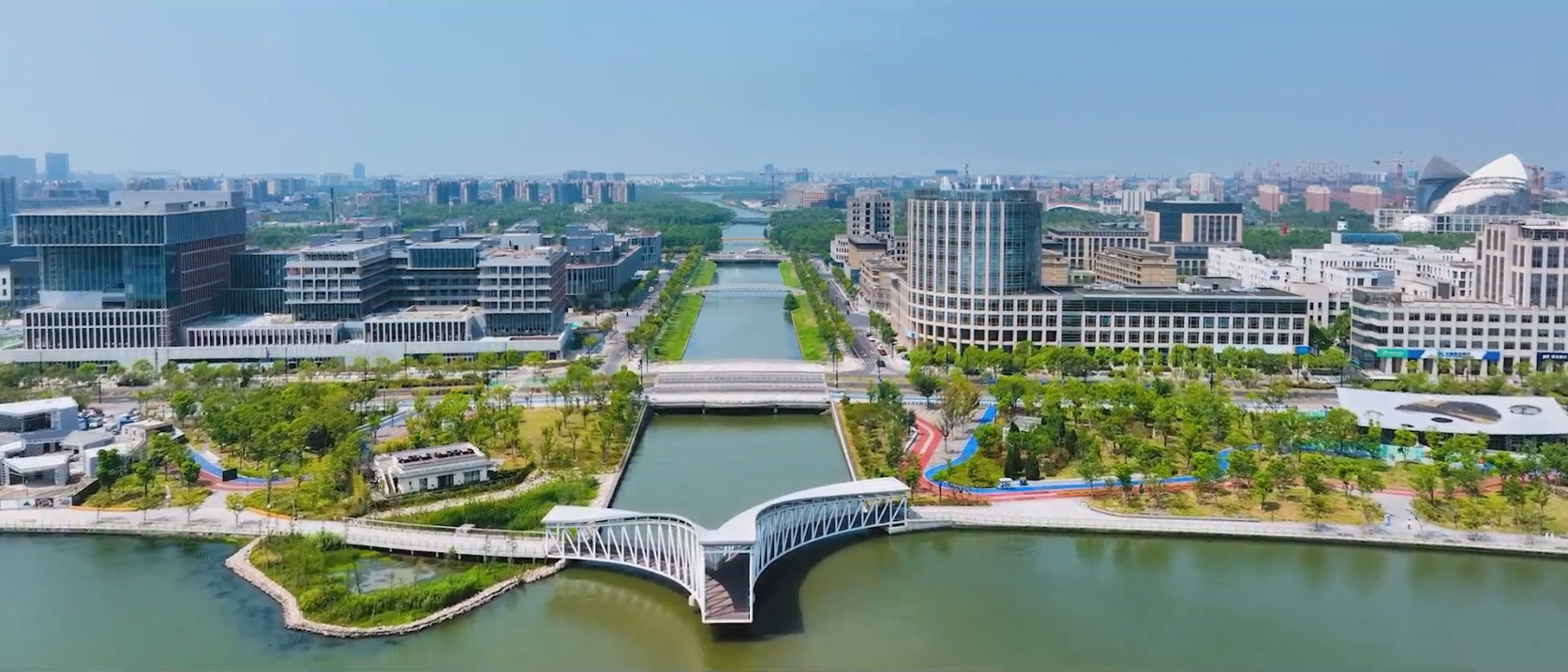
Unlocking the Benefits of Eco-Friendly Stormwater Inlets for Sustainable Drainage Solutions
In the realm of construction and drainage systems, eco-friendly stormwater inlets represent a pivotal advancement toward sustainable urban development. As cities continue to grow, the management of stormwater has become increasingly critical to prevent flooding, protect water quality, and enhance urban resilience. Eco-friendly stormwater inlets serve as a crucial component of this strategy, offeri
In the realm of construction and drainage systems, eco-friendly stormwater inlets represent a pivotal advancement toward sustainable urban development. As cities continue to grow, the management of stormwater has become increasingly critical to prevent flooding, protect water quality, and enhance urban resilience. Eco-friendly stormwater inlets serve as a crucial component of this strategy, offering a blend of functionality and environmental stewardship.
At their core, eco-friendly stormwater inlets are designed to effectively capture and manage runoff from rainfall while promoting the natural filtration of pollutants. Unlike traditional inlets that can often contribute to water pollution and erosion, these innovative solutions utilize natural materials and processes to treat stormwater before it enters the drainage system. This not only helps in reducing the burden on municipal sewage systems but also protects local water bodies from harmful contaminants.
One of the key benefits of eco-friendly stormwater inlets is their ability to mitigate the effects of urban heat islands. By facilitating the percolation of water into the ground, these inlets can help to cool the surrounding areas, contributing to a more temperate urban environment. Additionally, they can promote the recharge of groundwater supplies, ensuring that local ecosystems remain healthy and sustainable.
Moreover, eco-friendly stormwater inlets can provide aesthetic benefits by integrating seamlessly into urban landscapes. Many designs incorporate natural vegetation and green infrastructure, which not only enhances the visual appeal but also provides habitats for local wildlife. This dual functionality makes them a favorite among urban planners and landscape architects who are increasingly prioritizing sustainability in their projects.
From an economic perspective, while the initial investment in eco-friendly stormwater inlets may be higher than traditional systems, the long-term savings are substantial. By reducing the risk of flooding, minimizing maintenance costs, and improving water quality, these solutions can lead to greater economic stability for communities.
Incorporating eco-friendly stormwater inlets into your drainage system not only aligns with modern sustainability goals but also demonstrates a commitment to responsible development practices. As stakeholders in the construction and drainage materials industry, understanding the advantages and applications of these innovative systems can enhance your project outcomes and contribute to a more sustainable future.
In conclusion, eco-friendly stormwater inlets represent a significant advancement in drainage solutions, offering a multitude of environmental, aesthetic, and economic benefits. By adopting these innovative systems, urban environments can thrive while effectively managing stormwater and preserving natural resources for generations to come.
At their core, eco-friendly stormwater inlets are designed to effectively capture and manage runoff from rainfall while promoting the natural filtration of pollutants. Unlike traditional inlets that can often contribute to water pollution and erosion, these innovative solutions utilize natural materials and processes to treat stormwater before it enters the drainage system. This not only helps in reducing the burden on municipal sewage systems but also protects local water bodies from harmful contaminants.
One of the key benefits of eco-friendly stormwater inlets is their ability to mitigate the effects of urban heat islands. By facilitating the percolation of water into the ground, these inlets can help to cool the surrounding areas, contributing to a more temperate urban environment. Additionally, they can promote the recharge of groundwater supplies, ensuring that local ecosystems remain healthy and sustainable.
Moreover, eco-friendly stormwater inlets can provide aesthetic benefits by integrating seamlessly into urban landscapes. Many designs incorporate natural vegetation and green infrastructure, which not only enhances the visual appeal but also provides habitats for local wildlife. This dual functionality makes them a favorite among urban planners and landscape architects who are increasingly prioritizing sustainability in their projects.
From an economic perspective, while the initial investment in eco-friendly stormwater inlets may be higher than traditional systems, the long-term savings are substantial. By reducing the risk of flooding, minimizing maintenance costs, and improving water quality, these solutions can lead to greater economic stability for communities.
Incorporating eco-friendly stormwater inlets into your drainage system not only aligns with modern sustainability goals but also demonstrates a commitment to responsible development practices. As stakeholders in the construction and drainage materials industry, understanding the advantages and applications of these innovative systems can enhance your project outcomes and contribute to a more sustainable future.
In conclusion, eco-friendly stormwater inlets represent a significant advancement in drainage solutions, offering a multitude of environmental, aesthetic, and economic benefits. By adopting these innovative systems, urban environments can thrive while effectively managing stormwater and preserving natural resources for generations to come.
Eco-friendly stormwater inlet


Address: Building B2, No. 188, Hailuo Road, Quanjiao County, Chuzhou City, Anhui Province,China
yajing


Messages