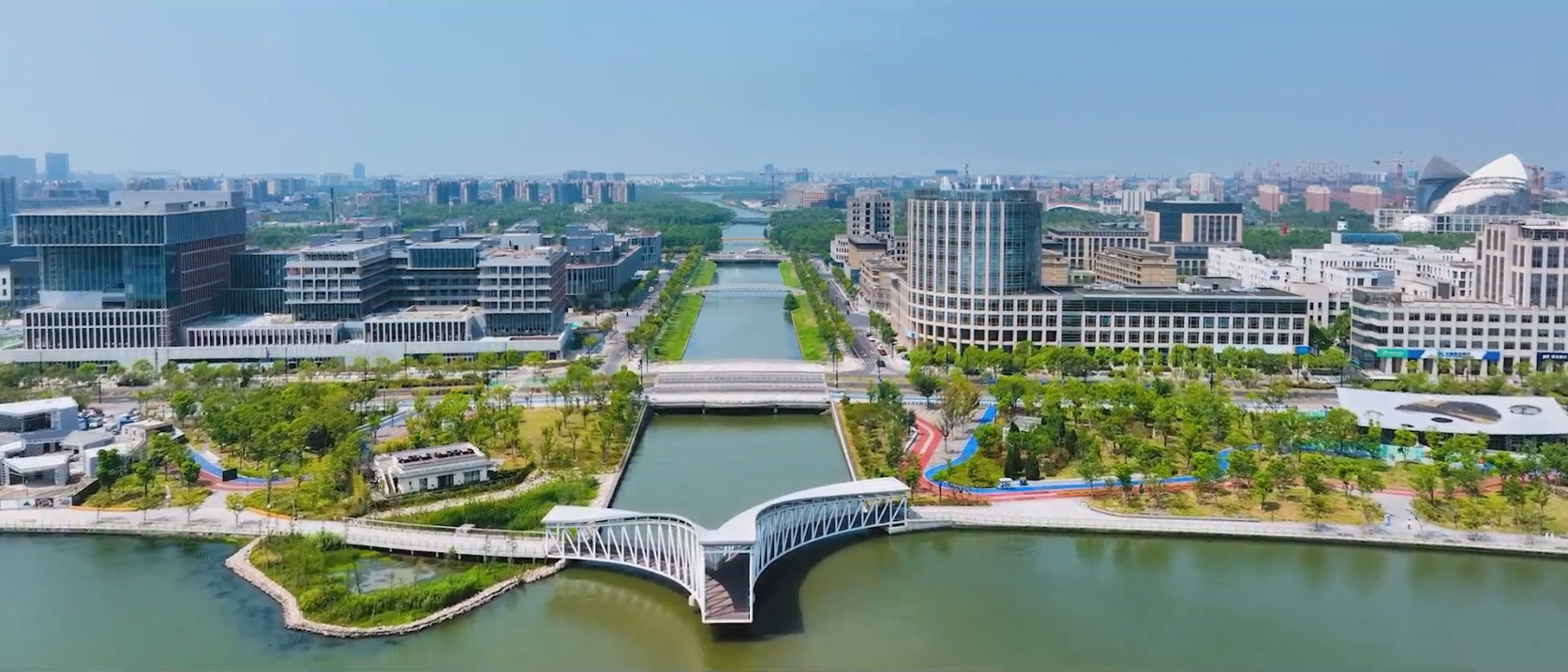
Understanding the Hydrological Cycle and Surface Rainwater Transport Systems: A Comprehensive Guide
Understanding the Hydrological Cycle and Surface Rainwater Transport Systems
Introduction to the Hydrological Cycle
The **hydrological cycle**, often referred to as the water cycle, is a fundamental concept in environmental science that illustrates the continuous movement of water within the Earth and atmosphere. Water evaporates from the surface, condenses into clouds, precipitates as rain or sno
Understanding the Hydrological Cycle and Surface Rainwater Transport Systems
Introduction to the Hydrological Cycle
The **hydrological cycle**, often referred to as the water cycle, is a fundamental concept in environmental science that illustrates the continuous movement of water within the Earth and atmosphere. Water evaporates from the surface, condenses into clouds, precipitates as rain or snow, and flows back to oceans, rivers, and lakes, completing the cycle. This phenomenon plays a crucial role in sustaining life, influencing climate, and shaping landscapes.
The Importance of Effective Rainwater Management
As urbanization increases, the way we manage **surface rainwater** becomes increasingly critical. Ineffective management leads to flooding, erosion, and water pollution. Understanding how rainwater interacts with various surfaces helps in designing better systems for its collection and transport.
Components of the Hydrological Cycle
The hydrological cycle comprises several key components:
Evaporation and Transpiration
Evaporation involves the transformation of water from liquid to vapor, primarily from oceans, lakes, and rivers. Transpiration is the process through which plants release water vapor into the atmosphere. Together, they are often referred to as **evapotranspiration**.
Condensation and Precipitation
As water vapor rises and cools, it transforms back into liquid water, forming clouds. When these clouds become heavy enough, precipitation occurs in the form of rain, snow, sleet, or hail.
Infiltration and Runoff
After precipitation, water infiltrates the soil or runs off the surface into water bodies. **Infiltration** allows water to replenish groundwater supplies, while **runoff** contributes to rivers and lakes.
Understanding Surface Rainwater Transport Systems
Surface rainwater transport systems are designed to manage runoff effectively. These systems are crucial in urban areas where impervious surfaces dominate, preventing natural infiltration.
Types of Surface Rainwater Transport Systems
1. **Stormwater Drainage Systems**: These systems collect and convey rainwater away from urban areas to prevent flooding.
2. **Permeable Pavements**: These are designed to allow water to infiltrate through the surface, reducing runoff and promoting groundwater recharge.
3. **Green Infrastructure**: This includes green roofs, bioswales, and rain gardens that utilize vegetation to absorb and filter rainwater.
Designing Efficient Surface Rainwater Transport Systems
Designing an effective surface rainwater transport system requires careful consideration of various factors:
Site Assessment and Planning
Understanding the topography, soil type, and existing drainage patterns is critical. A comprehensive site assessment ensures that the rainwater system is tailored to the specific conditions of the area.
Hydraulic Analysis
Hydraulic analysis involves assessing the flow rate and volume of water that the transport system must handle. Accurate calculations help in designing systems that can efficiently manage peak flows during heavy rainfall.
Materials Selection
Choosing the right materials for drainage systems is vital for longevity and effectiveness. Durable, sustainable materials not only withstand environmental challenges but also contribute to overall system efficiency.
Best Practices for Rainwater Management
Implementing best practices in rainwater management is essential for reducing environmental impact and enhancing the sustainability of urban areas.
Promoting Natural Infiltration
Encouraging the natural infiltration of rainwater through the use of permeable surfaces and vegetation can significantly reduce runoff and improve groundwater recharge.
Regular Maintenance of Rainwater Systems
Routine inspection and maintenance of drainage systems are crucial to ensure optimal performance. Clogged drains and debris accumulation can lead to inefficiencies and flooding.
Community Education and Engagement
Educating the community about the importance of rainwater management fosters a culture of sustainability. Engaging local residents in maintenance efforts can enhance community resilience to flooding.
The Role of Technology in Rainwater Transport Systems
Advancements in technology are transforming how we manage rainwater. Innovative solutions such as smart drainage systems and real-time monitoring tools enable more effective management.
Smart Drainage Technologies
Smart drainage systems utilize sensors and data analytics to monitor rainfall and runoff patterns. This allows for proactive adjustments, ensuring systems function optimally during heavy rain events.
Data-Driven Decision Making
Leveraging data related to rainfall patterns and drainage performance can guide infrastructure decisions, leading to more resilient urban environments.
Environmental Considerations in Rainwater Management
It is vital to consider the environmental impacts of rainwater management systems. Sustainable practices not only protect water quality but also enhance biodiversity.
Minimizing Pollution
Implementing filtration systems, such as bioswales, helps reduce pollutants before rainwater enters natural water bodies. These systems provide a habitat for wildlife, contributing to local biodiversity.
Mitigating Erosion
Properly designed rainwater transport systems reduce the velocity of runoff, which helps in minimizing soil erosion and maintaining healthy landscapes.
Future Trends in Hydrological Management
As climate change impacts global weather patterns, rainwater management strategies must adapt. Future trends may include:
Increased Use of Green Infrastructure
The growing awareness of environmental sustainability will likely lead to more widespread adoption of green infrastructure solutions in urban planning.
Integration with Urban Planning
Rainwater management will increasingly be integrated into broader urban planning initiatives, ensuring that infrastructure development considers hydrological impacts.
Conclusion
Understanding the hydrological cycle and the intricacies of surface rainwater transport systems is crucial for effective water management in today's urban environments. By implementing best practices, leveraging technology, and promoting community engagement, we can create sustainable systems that not only enhance infrastructure but also contribute to the overall health of our ecosystems. As we move forward, embracing innovative solutions will be vital in adapting to the challenges posed by climate change and urbanization.
Frequently Asked Questions (FAQs)
1. What is the hydrological cycle?
The hydrological cycle is the continuous movement of water within the Earth and atmosphere, involving processes such as evaporation, condensation, precipitation, infiltration, and runoff.
2. Why is rainwater management important?
Effective rainwater management is essential for preventing flooding, reducing erosion, improving water quality, and preserving groundwater supplies, particularly in urban areas.
3. What are the different types of rainwater transport systems?
Common types include stormwater drainage systems, permeable pavements, and green infrastructure such as rain gardens and bioswales.
4. How can communities engage in rainwater management?
Communities can participate by educating residents about the importance of rainwater management, engaging in maintenance activities, and advocating for sustainable practices.
5. What role does technology play in rainwater management?
Technology enhances rainwater management through smart drainage systems, real-time monitoring, and data-driven decision-making, improving system efficiency and responsiveness to rainfall events.
Surface rainwater transport system


Address: Building B2, No. 188, Hailuo Road, Quanjiao County, Chuzhou City, Anhui Province,China
yajing


Messages