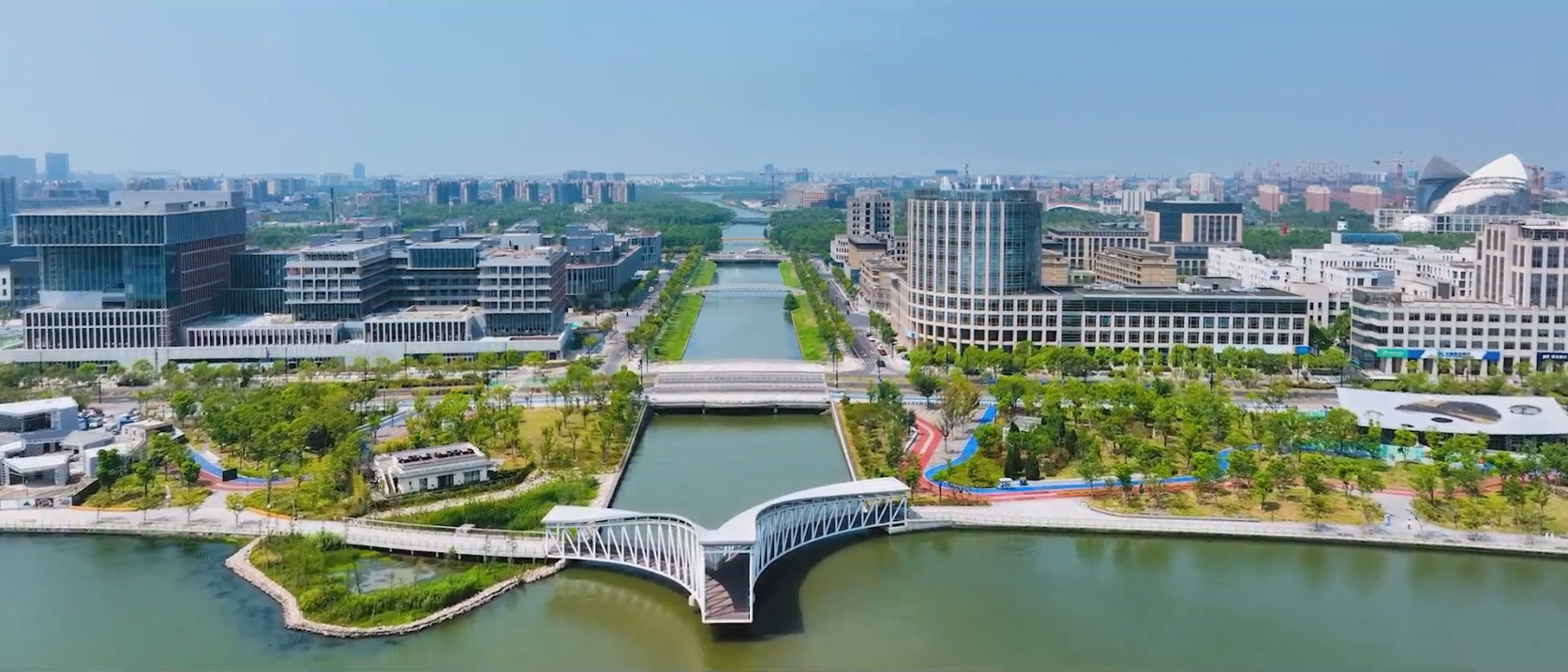
Enhancing Urban Sustainability: The Role of Eco-Friendly Stormwater Inlets
As urban areas expand, the management of stormwater has become a significant concern for engineers and city planners alike. Traditional stormwater inlets often contribute to pollution and ecosystem disruption, prompting the need for more sustainable alternatives. Eco-friendly stormwater inlets are designed to address these issues by utilizing advanced materials and technologies that enhance water
As urban areas expand, the management of stormwater has become a significant concern for engineers and city planners alike. Traditional stormwater inlets often contribute to pollution and ecosystem disruption, prompting the need for more sustainable alternatives. Eco-friendly stormwater inlets are designed to address these issues by utilizing advanced materials and technologies that enhance water quality and promote environmental stewardship.
One of the key features of eco-friendly stormwater inlets is their ability to filter pollutants before they enter the drainage system. These inlets often incorporate permeable materials that allow water to pass through while capturing debris, sediments, and harmful chemicals. For instance, the use of gravel, sand, or specially designed geotextiles can significantly improve the quality of the water being directed into the drainage system, ultimately benefiting the surrounding ecosystems.
Moreover, eco-friendly stormwater inlets are designed to reduce the volume of runoff that reaches waterways. By promoting infiltration and reducing surface flow, these systems can help mitigate flooding and erosion, which are common problems in urban environments. This is particularly important in areas that experience heavy rainfall, where traditional inlets may become overwhelmed, leading to overflow and increased pollution.
Another advantage of eco-friendly stormwater inlets is their potential to enhance urban green spaces. Many designs incorporate vegetation, such as native plants, which not only aid in water filtration but also contribute to biodiversity and improve the aesthetic appeal of public spaces. Integrating green infrastructure with stormwater management systems encourages community engagement and promotes awareness of environmental issues.
When considering the installation of eco-friendly stormwater inlets, several factors should be taken into account. The specific site conditions, including soil type, drainage patterns, and existing infrastructure, will influence the design and effectiveness of these systems. Additionally, collaboration with environmental experts and adherence to local regulations are essential to ensure optimal performance and sustainability.
In conclusion, eco-friendly stormwater inlets represent a vital innovation in the field of drainage systems within the building and construction industry. By effectively managing stormwater, these systems not only protect water quality and reduce flooding risks but also enhance urban environments. Embracing such sustainable solutions is crucial for developing resilient cities capable of adapting to the challenges posed by climate change and urbanization. By prioritizing eco-friendly practices in stormwater management, professionals in the construction and decoration materials sector can contribute to a more sustainable future.
One of the key features of eco-friendly stormwater inlets is their ability to filter pollutants before they enter the drainage system. These inlets often incorporate permeable materials that allow water to pass through while capturing debris, sediments, and harmful chemicals. For instance, the use of gravel, sand, or specially designed geotextiles can significantly improve the quality of the water being directed into the drainage system, ultimately benefiting the surrounding ecosystems.
Moreover, eco-friendly stormwater inlets are designed to reduce the volume of runoff that reaches waterways. By promoting infiltration and reducing surface flow, these systems can help mitigate flooding and erosion, which are common problems in urban environments. This is particularly important in areas that experience heavy rainfall, where traditional inlets may become overwhelmed, leading to overflow and increased pollution.
Another advantage of eco-friendly stormwater inlets is their potential to enhance urban green spaces. Many designs incorporate vegetation, such as native plants, which not only aid in water filtration but also contribute to biodiversity and improve the aesthetic appeal of public spaces. Integrating green infrastructure with stormwater management systems encourages community engagement and promotes awareness of environmental issues.
When considering the installation of eco-friendly stormwater inlets, several factors should be taken into account. The specific site conditions, including soil type, drainage patterns, and existing infrastructure, will influence the design and effectiveness of these systems. Additionally, collaboration with environmental experts and adherence to local regulations are essential to ensure optimal performance and sustainability.
In conclusion, eco-friendly stormwater inlets represent a vital innovation in the field of drainage systems within the building and construction industry. By effectively managing stormwater, these systems not only protect water quality and reduce flooding risks but also enhance urban environments. Embracing such sustainable solutions is crucial for developing resilient cities capable of adapting to the challenges posed by climate change and urbanization. By prioritizing eco-friendly practices in stormwater management, professionals in the construction and decoration materials sector can contribute to a more sustainable future.
Eco-friendly stormwater inlet


Address: Building B2, No. 188, Hailuo Road, Quanjiao County, Chuzhou City, Anhui Province,China
yajing


Messages