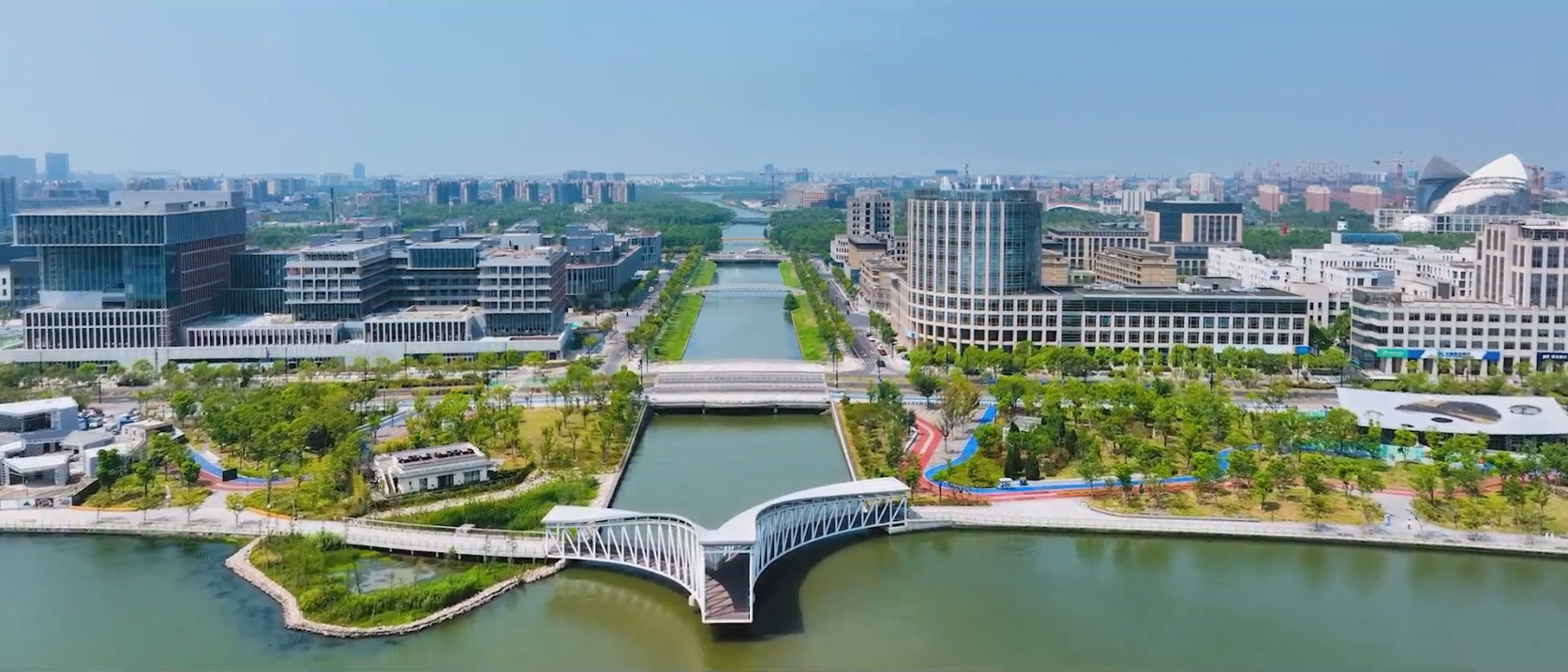
Plastic Drainage Channels: An Efficient Drainage Solution Adaptable to Multiple Scenarios
With the acceleration of urbanization and the upgrading of infrastructure, plastic drainage channels are gradually replacing traditional concrete and brick drainage systems due to their advantages of being lightweight, durable, easy to install, environmentally friendly, and cost-effective. Widely used across various scenarios, they have become core components of drainage systems, balancing practicality and sustainability.
Municipal engineering is a key application scenario for plastic drainage channels. In city streets, squares, and municipal parks, linear plastic drainage channels can seamlessly integrate with pavement finishes. Their U-shaped cross-section and smooth inner walls enable rapid collection of surface water, preventing积水 that could affect pedestrian flow and landscape aesthetics. They are also resistant to acid rain and deicing salts, making them suitable for complex outdoor environments. In road construction, their lightweight nature facilitates construction, significantly shortening project timelines and reducing municipal maintenance costs.
In architectural and residential settings, plastic drainage channels also play an important role. In residential community roads, parking lots, and landscape areas, modular plastic drainage channels can be flexibly installed with various cover options, meeting drainage needs without compromising the neat and aesthetic living environment. In schools, office buildings, and similar venues, their easy installation minimizes disruption to daily activities, meeting the drainage requirements of special areas such as campus running tracks and building perimeters.
In industrial and construction scenarios, the corrosion resistance and impact resistance of plastic drainage channels offer clear advantages. In industrial parks and chemical zones, they efficiently discharge oily wastewater and industrial effluents while resisting chemical corrosion, ensuring production safety. Around foundation pits and along temporary roads on construction sites, prefabricated plastic drainage channels can be quickly assembled for temporary drainage, and they are recyclable, reducing construction costs and environmental pollution.
Furthermore, in landscaping applications, plastic drainage channels can be concealed beneath green spaces to collect rainwater and direct it into pipe networks, supporting the development of sponge cities while preventing damage from plant roots. Today, plastic drainage channels, with their adaptability to multiple scenarios, have become the preferred drainage solution in municipal, architectural, industrial, and other fields, providing efficient, environmentally friendly, and long-lasting drainage protection for a wide range of applications.
Plastic surface drainage ditch


Address: Building B2, No. 188, Hailuo Road, Quanjiao County, Chuzhou City, Anhui Province,China
yajing


Messages