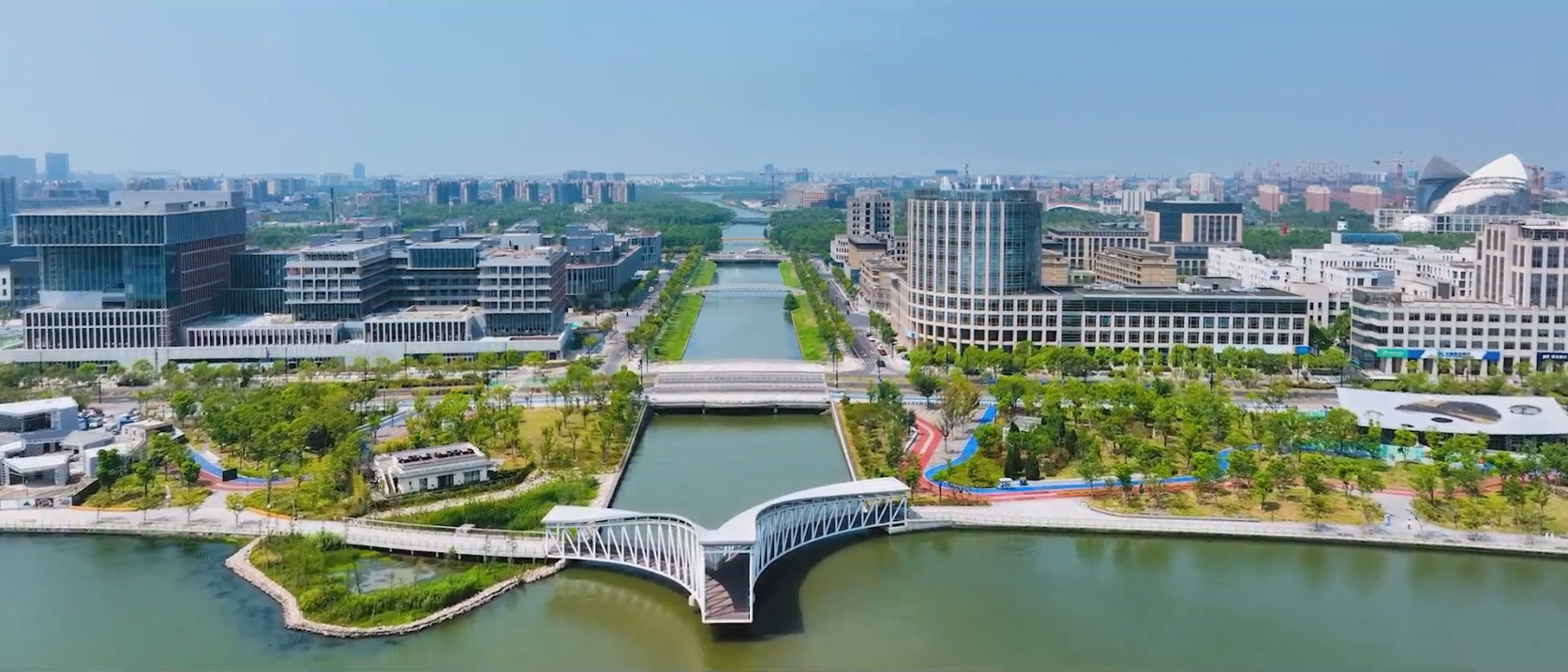
Rainwater Harvesting Systems: Ecological Engines Reshaping the Urban Water Cycle
Rainwater harvesting systems are not only water-saving facilities widely used in modern buildings and municipal infrastructure, but also key ecological engines for reshaping urban water cycles and advancing ecological civilization. Their core functions are reflected in three major dimensions: mitigating urban flooding, optimizing water resource allocation, and improving the ecological environment, thereby providing strong support for sustainable urban development.
In terms of flood control, drainage, and water resource management, rainwater harvesting systems play a crucial role in regulating water flow by “capturing excess and supplying shortages.” During the rainy season, these systems rapidly collect rainwater from catchment surfaces such as rooftops and roads. After first-flush diversion and multi-stage filtration, the water is stored in underground reservoirs. This process effectively reduces peak surface runoff, significantly alleviates pressure on municipal drainage networks, and helps prevent urban flooding at its source. During dry seasons or routine operations, the treated rainwater can be widely reused for landscape irrigation, street cleaning, water feature replenishment, and even toilet flushing, creating a diversified water supply model that integrates conventional water, reclaimed water, and rainwater. As a result, dependence on municipal tap water and groundwater resources is substantially reduced.
From an ecological and environmental perspective, rainwater harvesting systems offer irreplaceable benefits. On one hand, rainwater typically has a near-neutral pH and relatively low electrical conductivity (EC). When used for irrigation, it produces a leaching effect that helps reduce soil salinization and promotes healthier plant growth. On the other hand, facilities such as permeable pavements and rain gardens encourage rainwater infiltration, directly recharging groundwater resources. This contributes to mitigating land subsidence, regulating local microclimates, and reducing the urban heat island effect. Furthermore, by intercepting and treating suspended solids and pollutants contained in initial stormwater runoff, these systems effectively control non-point source pollution and protect the water quality of receiving water bodies.
From a broader perspective, the widespread adoption of rainwater harvesting systems signifies a profound transformation in the way humanity manages water resources. By converting rainwater that would otherwise be quickly discharged as waste into a valuable local resource, these systems enable a sustainable cycle of infiltration, detention, storage, purification, utilization, and discharge. This not only generates significant economic benefits by reducing water costs for municipalities and businesses, but also enhances urban resilience to extreme climate events. In essence, rainwater harvesting systems are quietly helping cities relearn how to coexist harmoniously with the natural water cycle, making them an essential pathway toward a greener, low-carbon, and more sustainable future.
Rainwater harvesting system,PP rainwater harvesting module,soakaway crates


Address: Building B2, No. 188, Hailuo Road, Quanjiao County, Chuzhou City, Anhui Province,China
yajing


Messages