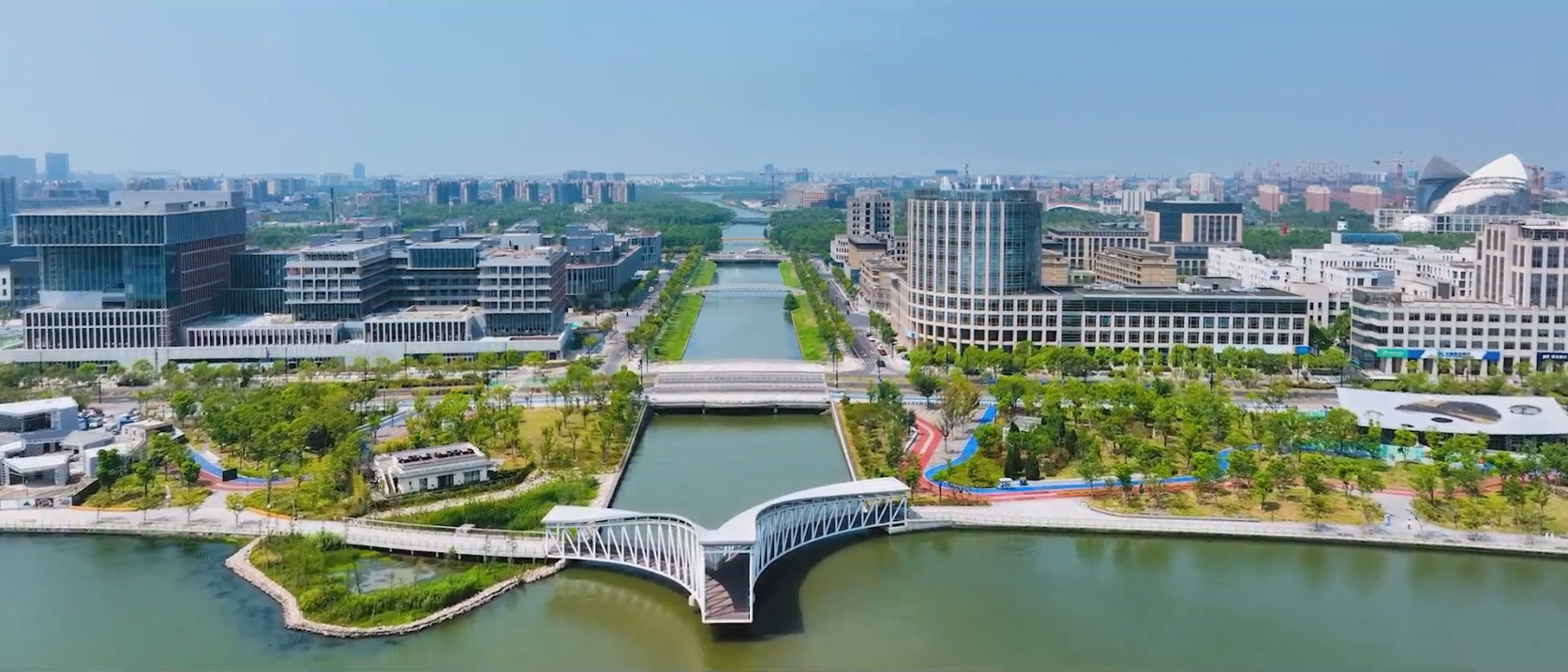
High-Cost-Effective Choice: Plastic Drainage Channels, a New Economical Solution for Engineering Drainage
In drainage projects such as landscape gardens, residential plazas, and light-load parking lots, plastic drainage channels offer a cost-effective solution that balances budget and performance through low overall costs, convenient installation, and long-lasting durability. Compared with cast-in-place concrete, cast iron, and FRP trench systems, their life-cycle cost advantages are particularly prominent.
In terms of initial procurement and installation costs, plastic drainage channels show significant benefits. Manufactured from HDPE (high-density polyethylene) through integrated injection molding, the raw materials and production process are straightforward, keeping the ex-factory price affordable. Weighing only one-quarter of concrete trenches, they require no heavy lifting equipment for transport, greatly reducing logistics expenses. The standardized 1-meter single sections with snap-together sealed joints can be laid by just two workers, eliminating complex steps such as formwork erection, concrete pouring, and curing. For projects of the same length, construction time can be shortened by more than 60%, directly reducing labor and machinery costs and significantly lowering the upfront project investment.
Durability determines long-term operating costs, and plastic drainage channels perfectly overcome the common drawbacks of traditional trenches. While concrete trenches are prone to cracking and leakage, and cast iron to long-term rusting and damage, HDPE material resists acids, alkalis, de-icing salts, and soil corrosion, and is unaffected by rainwater or oil contamination. It also resists aging and deformation even under prolonged outdoor sun exposure. The smooth inner walls create low flow resistance, preventing sediment and debris from accumulating easily, with a self-cleaning effect that requires only simple rinsing for routine maintenance—eliminating the need for frequent excavation and repairs, and greatly reducing post-installation operational expenses. Under standard usage conditions, its design service life can reach 50 years, eliminating the need for large-scale replacement over the long term and spreading the average annual cost effectively.
The modular design further amplifies the cost-performance advantages. Manufacturers offer a full range of specifications, with ready stock available from narrow pedestrian versions to wide-area drainage models for parks. Complete accessories such as corner pieces, tees, and end caps are fully compatible, allowing on-site cutting and splicing to suit various irregular site layouts with minimal material waste. Additionally, multiple cover options—plastic, stainless steel, or cast iron—can be matched to flexibly accommodate pedestrian or light-vehicle traffic scenarios, so there is no need to pay extra for excess load-bearing capacity, enabling precise budget control.
Today, plastic drainage channels are widely adopted in sponge city projects, commercial landscapes, and residential community renovations. They avoid the high costs of metal trench systems while sidestepping the lengthy construction periods and frequent repair issues of concrete alternatives—balancing upfront investment, construction efficiency, and long-term maintenance. For engineering projects that prioritize cost control, stable performance, and lasting reliability, plastic drainage channels truly represent a high-value drainage solution.
Plastic surface drainage ditch,Drainage,DrainageSolutions


Address: Building B2, No. 188, Hailuo Road, Quanjiao County, Chuzhou City, Anhui Province,China
yajing


Messages