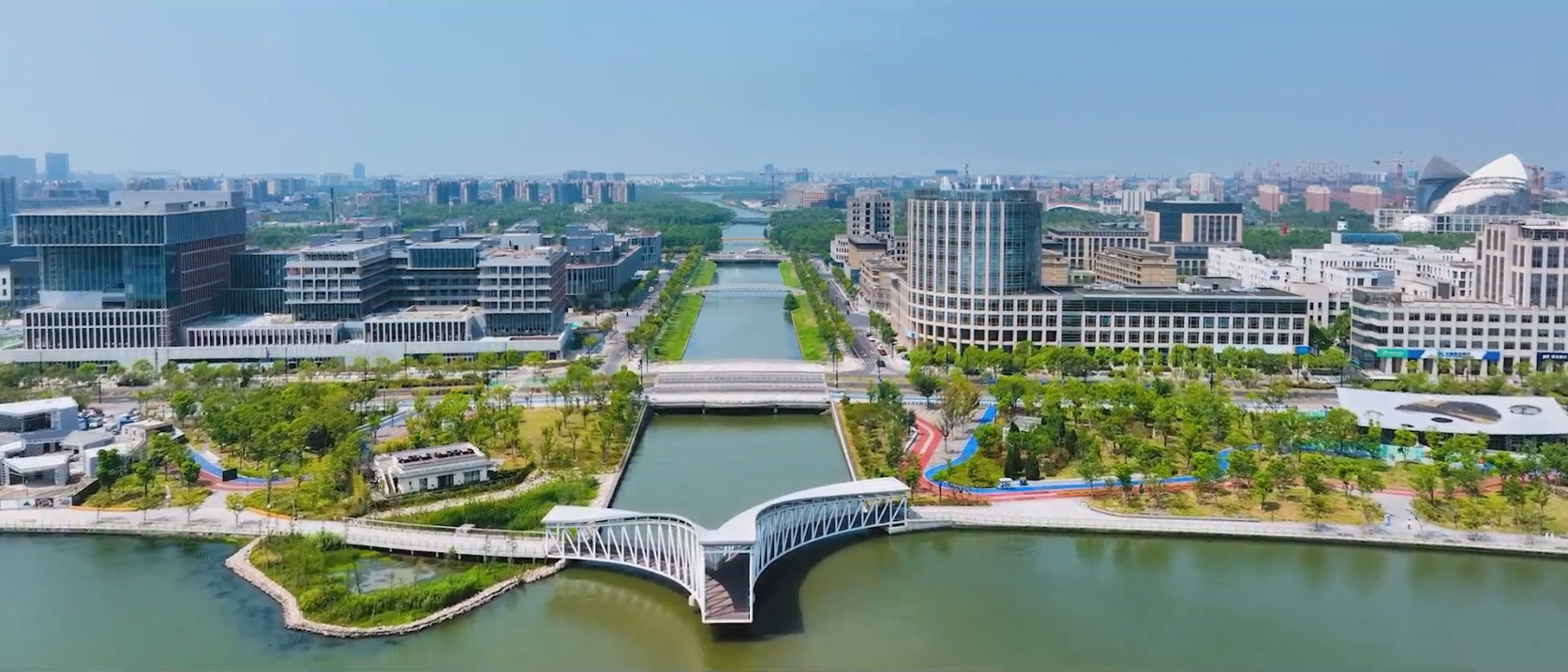
Annual Water-Saving Benefit Analysis of the Park Rainwater Harvesting System
Against the broader backdrop of sponge city development and green park initiatives, rainwater harvesting and reuse systems have become core facilities for water conservation, energy reduction, and green operation and maintenance in industrial parks. By collecting rainwater from hardened surfaces such as rooftops, roads, and plazas, and treating it through filtration, sedimentation, and purification processes, the system supplies non-potable water for landscape irrigation, road cleaning, equipment cooling, and scenic water body replenishment within the park. This significantly reduces the intake of municipal tap water, yielding substantial water-saving benefits.
The volume of rainwater collected in the park can be accurately calculated using industry-standard formulas, with key parameters including the hardened catchment area, average annual rainfall, runoff coefficient, and system collection and utilization rate. Taking a typical small-to-medium-sized industrial park as an example, the hardened catchment area is approximately 20,000 square meters. Combined with an average annual rainfall of 1,200 mm in most regions of China, and after deducting initial rainwater diversion, evaporation, and filtration losses, the system's comprehensive collection and utilization rate can reach about 75%. Based on these calculations, such a park-scale rainwater harvesting system can collect and utilize roughly 18,000 metric tons of rainwater annually, all of which replaces the use of tap water.
In terms of water consumption structure, non-potable water uses in the park account for more than 40% of total water demand. These uses have relatively low water quality requirements and are fully compatible with rainwater reuse standards. Before the installation of the rainwater harvesting system, landscaping maintenance, site cleaning, and landscape water replenishment all relied on municipal tap water, resulting in high water consumption and significant waste. After the system was put into operation, non-potable water needs have been met autonomously, directly saving 18,000 metric tons of tap water each year and greatly reducing the park's water-related energy consumption.
In addition to the direct water-saving effects, the system offers multiple supplementary benefits. Over long-term operation, it effectively reduces the park's water bills, lowers water resource operation and maintenance costs, and alleviates pressure on the municipal water supply. Furthermore, the system reduces stormwater runoff, eases the burden on the park's drainage network, minimizes flood risks, and supports the park in achieving sustainable water recycling.
In summary, the park rainwater harvesting system demonstrates high water efficiency and strong practicality. With annual savings approaching 20,000 metric tons, it not only embodies the principles of green and low-carbon development but also elevates the park's refined and energy-conscious operation and maintenance standards. It stands as a water-saving retrofit project that delivers both economic and ecological benefits.
PP Rainwater Collection Module,Rainwater harvesting system,soakaway crates


Address: Building B2, No. 188, Hailuo Road, Quanjiao County, Chuzhou City, Anhui Province,China
yajing


Messages