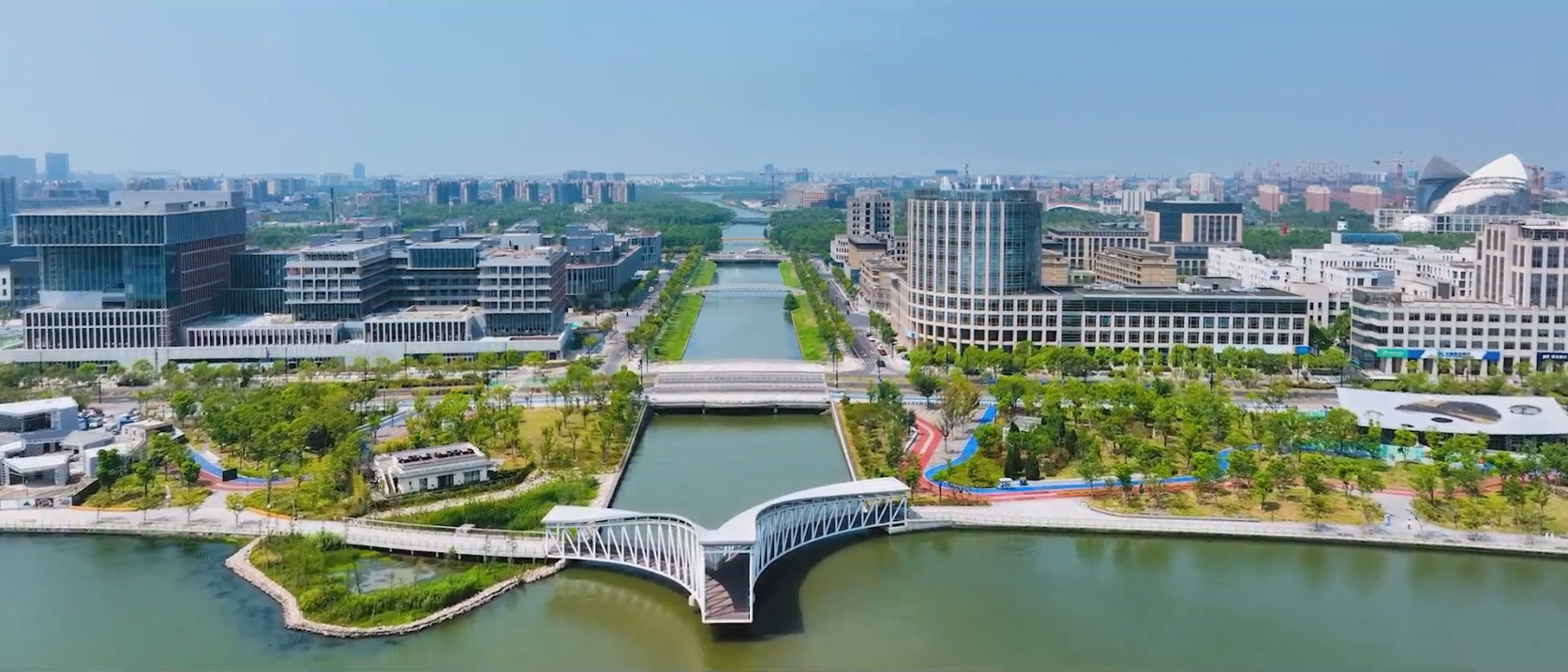
Effective Surface Drainage Solutions for Urban Roads: Enhancing Infrastructure Resilience
Urban roads face unique challenges when it comes to managing surface water drainage. With increasing urbanization and climate change leading to more intense and frequent storms, effective surface drainage is not merely a design consideration but a necessity. Surface drainage systems play a vital role in directing stormwater away from roadways, reducing the risk of flooding, and preventing water da
Urban roads face unique challenges when it comes to managing surface water drainage. With increasing urbanization and climate change leading to more intense and frequent storms, effective surface drainage is not merely a design consideration but a necessity. Surface drainage systems play a vital role in directing stormwater away from roadways, reducing the risk of flooding, and preventing water damage to road surfaces.
One of the primary objectives of surface drainage for urban roads is to effectively manage runoff. When rainwater cannot be properly channeled, it can accumulate on road surfaces, leading to hazardous driving conditions and potential accidents. To mitigate these issues, urban planners and civil engineers must implement comprehensive drainage strategies that include properly designed gutters, drainage ditches, and permeable surfaces.
Key considerations when designing surface drainage systems include the topography of the area, the type of soil, and the expected volume of runoff. Urban planners should conduct thorough hydrological studies to understand the flow patterns of rainwater and how it interacts with existing infrastructure. This data is essential for determining the optimal placement and sizing of drainage components.
Another critical aspect of surface drainage is the integration of green infrastructure techniques. Utilizing permeable pavements, bioretention areas, and rain gardens can significantly improve water absorption and filtration. These sustainable practices not only enhance the performance of surface drainage systems but also contribute to urban aesthetics and biodiversity.
Maintenance is equally crucial for the longevity and effectiveness of surface drainage systems. Regular inspections and cleaning of gutters, drains, and catch basins are necessary to prevent blockages and ensure smooth water flow. Implementing a routine maintenance schedule can help identify potential issues before they escalate into costly repairs.
In conclusion, effective surface drainage for urban roads is an integral component of infrastructure resilience. By understanding the unique challenges posed by urban environments and employing best practices in design and maintenance, urban planners can create safe, functional, and sustainable roadways. As cities continue to grow and face climate challenges, investing in robust surface drainage systems will be key to safeguarding our urban infrastructure and enhancing public safety.
One of the primary objectives of surface drainage for urban roads is to effectively manage runoff. When rainwater cannot be properly channeled, it can accumulate on road surfaces, leading to hazardous driving conditions and potential accidents. To mitigate these issues, urban planners and civil engineers must implement comprehensive drainage strategies that include properly designed gutters, drainage ditches, and permeable surfaces.
Key considerations when designing surface drainage systems include the topography of the area, the type of soil, and the expected volume of runoff. Urban planners should conduct thorough hydrological studies to understand the flow patterns of rainwater and how it interacts with existing infrastructure. This data is essential for determining the optimal placement and sizing of drainage components.
Another critical aspect of surface drainage is the integration of green infrastructure techniques. Utilizing permeable pavements, bioretention areas, and rain gardens can significantly improve water absorption and filtration. These sustainable practices not only enhance the performance of surface drainage systems but also contribute to urban aesthetics and biodiversity.
Maintenance is equally crucial for the longevity and effectiveness of surface drainage systems. Regular inspections and cleaning of gutters, drains, and catch basins are necessary to prevent blockages and ensure smooth water flow. Implementing a routine maintenance schedule can help identify potential issues before they escalate into costly repairs.
In conclusion, effective surface drainage for urban roads is an integral component of infrastructure resilience. By understanding the unique challenges posed by urban environments and employing best practices in design and maintenance, urban planners can create safe, functional, and sustainable roadways. As cities continue to grow and face climate challenges, investing in robust surface drainage systems will be key to safeguarding our urban infrastructure and enhancing public safety.
Surface drainage for urban roads


Address: Building B2, No. 188, Hailuo Road, Quanjiao County, Chuzhou City, Anhui Province,China
yajing


Messages