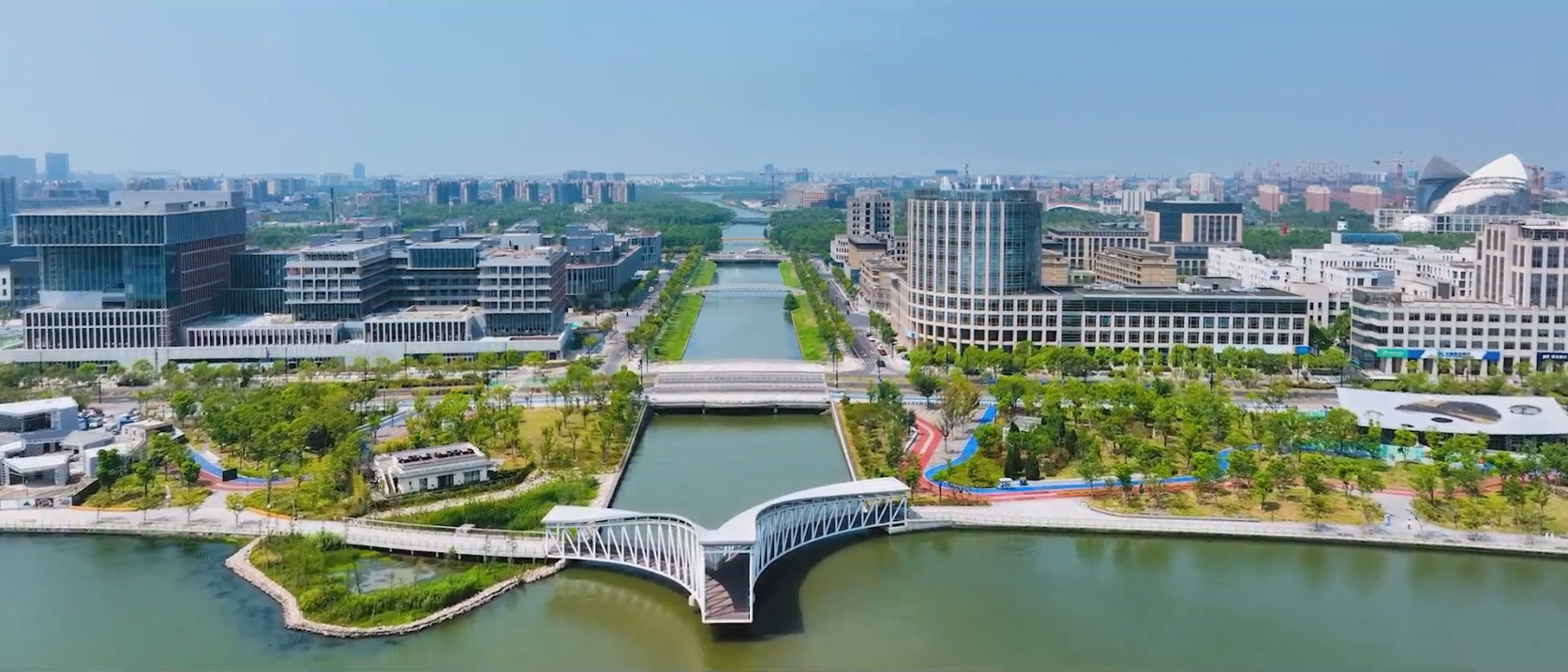
Effective Surface Drainage Solutions for Urban Roads
Surface drainage for urban roads is a critical consideration in modern urban planning and development. Effective surface drainage systems are essential to manage stormwater runoff, reduce flooding, and maintain the structural integrity of roadways. When designing urban roads, engineers and planners must prioritize effective drainage solutions, which not only protect roads but also ensure the safet
Surface drainage for urban roads is a critical consideration in modern urban planning and development. Effective surface drainage systems are essential to manage stormwater runoff, reduce flooding, and maintain the structural integrity of roadways. When designing urban roads, engineers and planners must prioritize effective drainage solutions, which not only protect roads but also ensure the safety of pedestrians and vehicles.
One of the primary goals of surface drainage is to channel excess water away from road surfaces. This can be achieved through various methods, including grading the roadway to create a slight slope, installing gutters, and utilizing drainage inlets strategically placed along the road. The proper gradient is essential; typically, a slope of 1-2% towards the drainage system is recommended to facilitate efficient water runoff.
Additionally, the type and condition of the pavement surface significantly impact drainage effectiveness. Porous pavement materials, for example, can absorb and filter water, reducing surface runoff while minimizing the risk of flooding. Implementing permeable materials in high-traffic areas can also enhance water management while providing a sustainable option for urban roadways.
Another key aspect of surface drainage for urban roads is the integration of green infrastructure. Bioswales and rain gardens, designed to capture and absorb rainfall, can be incorporated into the road design. These natural elements not only manage stormwater but also enhance the aesthetic appeal of urban landscapes, contributing to overall urban resilience.
Maintenance is also crucial for effective surface drainage systems. Regular inspections and cleaning of drainage inlets, culverts, and gutters help prevent blockages that can lead to water pooling and potential damage to road surfaces. Establishing a routine maintenance schedule ensures that drainage systems remain functional and effective over time.
Moreover, collaboration between civil engineers, urban planners, and local government is vital to develop comprehensive drainage strategies that address the unique challenges of urban environments. Engaging with the community during planning phases can also provide insights into local drainage issues and promote public awareness of the importance of sustainable drainage solutions.
In conclusion, surface drainage for urban roads is a multifaceted challenge that requires careful planning and execution. By adopting innovative strategies, utilizing sustainable materials, and ensuring ongoing maintenance, urban planners can create effective drainage solutions that not only protect roadways but also promote environmental sustainability and enhance urban living. The integration of modern drainage practices will undoubtedly play a crucial role in the future of urban infrastructure development.
One of the primary goals of surface drainage is to channel excess water away from road surfaces. This can be achieved through various methods, including grading the roadway to create a slight slope, installing gutters, and utilizing drainage inlets strategically placed along the road. The proper gradient is essential; typically, a slope of 1-2% towards the drainage system is recommended to facilitate efficient water runoff.
Additionally, the type and condition of the pavement surface significantly impact drainage effectiveness. Porous pavement materials, for example, can absorb and filter water, reducing surface runoff while minimizing the risk of flooding. Implementing permeable materials in high-traffic areas can also enhance water management while providing a sustainable option for urban roadways.
Another key aspect of surface drainage for urban roads is the integration of green infrastructure. Bioswales and rain gardens, designed to capture and absorb rainfall, can be incorporated into the road design. These natural elements not only manage stormwater but also enhance the aesthetic appeal of urban landscapes, contributing to overall urban resilience.
Maintenance is also crucial for effective surface drainage systems. Regular inspections and cleaning of drainage inlets, culverts, and gutters help prevent blockages that can lead to water pooling and potential damage to road surfaces. Establishing a routine maintenance schedule ensures that drainage systems remain functional and effective over time.
Moreover, collaboration between civil engineers, urban planners, and local government is vital to develop comprehensive drainage strategies that address the unique challenges of urban environments. Engaging with the community during planning phases can also provide insights into local drainage issues and promote public awareness of the importance of sustainable drainage solutions.
In conclusion, surface drainage for urban roads is a multifaceted challenge that requires careful planning and execution. By adopting innovative strategies, utilizing sustainable materials, and ensuring ongoing maintenance, urban planners can create effective drainage solutions that not only protect roadways but also promote environmental sustainability and enhance urban living. The integration of modern drainage practices will undoubtedly play a crucial role in the future of urban infrastructure development.
Surface drainage for urban roads


Address: Building B2, No. 188, Hailuo Road, Quanjiao County, Chuzhou City, Anhui Province,China
yajing


Messages