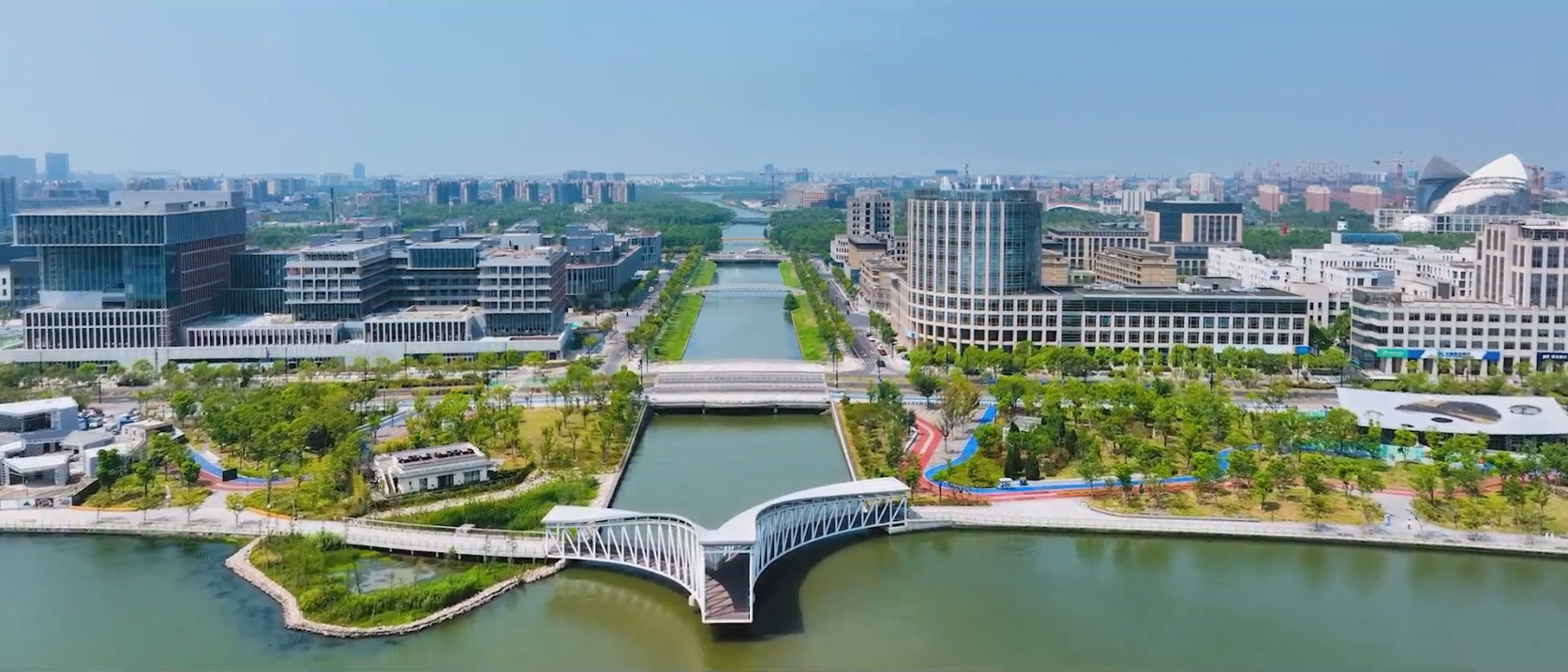
Effective Surface Drainage Solutions for Urban Roads: Enhancing Urban Infrastructure
Surface drainage for urban roads is a critical aspect of urban infrastructure that ensures the efficient management of rainwater and surface runoff. In urban areas, where impervious surfaces such as asphalt and concrete dominate, the natural absorption of rainwater is significantly hindered. This leads to the accumulation of water on roadways, which can cause various issues including flooding, ero
Surface drainage for urban roads is a critical aspect of urban infrastructure that ensures the efficient management of rainwater and surface runoff. In urban areas, where impervious surfaces such as asphalt and concrete dominate, the natural absorption of rainwater is significantly hindered. This leads to the accumulation of water on roadways, which can cause various issues including flooding, erosion, and damage to both the road surface and surrounding structures. Therefore, implementing effective surface drainage solutions is essential for maintaining the integrity of urban road systems.
One of the primary functions of surface drainage is to quickly redirect water away from road surfaces and into designated drainage systems. This can be achieved through the design of road gradients, the installation of gutters, and the use of permeable paving materials. Properly designed slopes encourage water to flow towards drainage inlets, while gutters collect and channel water to stormwater management systems. The integration of these features helps mitigate the risk of standing water during and after rainfall, reducing the potential for vehicular accidents and enhancing pedestrian safety.
Furthermore, urban drainage solutions often incorporate vegetated swales and bioswales, which are designed to filter pollutants from runoff before they enter the drainage system. These green infrastructure components not only aid in the purification of water but also contribute to the aesthetic value of urban environments. By promoting infiltration and evapotranspiration, these systems can effectively manage excess water while enhancing biodiversity in urban landscapes.
Additionally, the selection of appropriate materials is crucial for the effectiveness of surface drainage systems. Drainage pipes, culverts, and permeable pavers should all be designed to withstand the specific demands of urban roadways. Using durable and high-performance materials can ensure a long-lasting drainage solution that minimizes maintenance requirements and enhances overall system reliability.
As urban areas continue to grow, the need for effective surface drainage for urban roads becomes increasingly important. Implementing innovative drainage solutions not only addresses immediate concerns regarding water accumulation but also contributes to the long-term sustainability of urban infrastructure. By investing in comprehensive drainage systems, cities can enhance their resilience against extreme weather events, protect public safety, and maintain road functionality.
In summary, effective surface drainage for urban roads is essential for preventing water-related issues in densely populated areas. By employing well-designed drainage features, utilizing appropriate materials, and integrating green infrastructure, urban planners can create robust drainage systems that enhance the overall functionality and safety of urban roadways. Proper attention to surface drainage not only aids in managing stormwater but also fosters a more sustainable and livable urban environment.
One of the primary functions of surface drainage is to quickly redirect water away from road surfaces and into designated drainage systems. This can be achieved through the design of road gradients, the installation of gutters, and the use of permeable paving materials. Properly designed slopes encourage water to flow towards drainage inlets, while gutters collect and channel water to stormwater management systems. The integration of these features helps mitigate the risk of standing water during and after rainfall, reducing the potential for vehicular accidents and enhancing pedestrian safety.
Furthermore, urban drainage solutions often incorporate vegetated swales and bioswales, which are designed to filter pollutants from runoff before they enter the drainage system. These green infrastructure components not only aid in the purification of water but also contribute to the aesthetic value of urban environments. By promoting infiltration and evapotranspiration, these systems can effectively manage excess water while enhancing biodiversity in urban landscapes.
Additionally, the selection of appropriate materials is crucial for the effectiveness of surface drainage systems. Drainage pipes, culverts, and permeable pavers should all be designed to withstand the specific demands of urban roadways. Using durable and high-performance materials can ensure a long-lasting drainage solution that minimizes maintenance requirements and enhances overall system reliability.
As urban areas continue to grow, the need for effective surface drainage for urban roads becomes increasingly important. Implementing innovative drainage solutions not only addresses immediate concerns regarding water accumulation but also contributes to the long-term sustainability of urban infrastructure. By investing in comprehensive drainage systems, cities can enhance their resilience against extreme weather events, protect public safety, and maintain road functionality.
In summary, effective surface drainage for urban roads is essential for preventing water-related issues in densely populated areas. By employing well-designed drainage features, utilizing appropriate materials, and integrating green infrastructure, urban planners can create robust drainage systems that enhance the overall functionality and safety of urban roadways. Proper attention to surface drainage not only aids in managing stormwater but also fosters a more sustainable and livable urban environment.
Surface drainage for urban roads


Address: Building B2, No. 188, Hailuo Road, Quanjiao County, Chuzhou City, Anhui Province,China
yajing


Messages