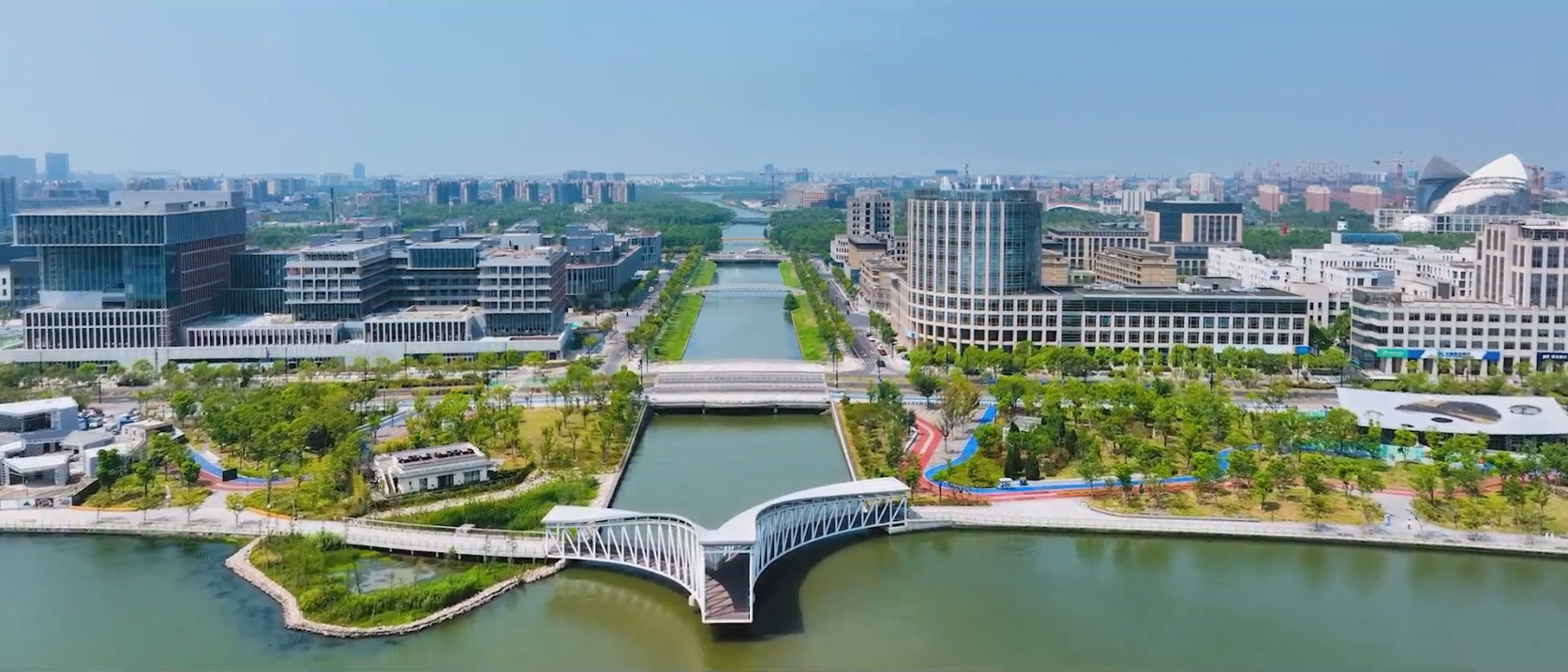
Enhancing Property Value with Surface Rainwater Transport Systems: A Comprehensive Guide
Enhancing Property Value with Surface Rainwater Transport Systems
Introduction to Surface Rainwater Transport Systems
In an era where environmental sustainability and property efficiency are paramount, **surface rainwater transport systems** have emerged as vital components in modern property management. These systems not only manage stormwater effectively but also contribute to enhancing property
Enhancing Property Value with Surface Rainwater Transport Systems
Introduction to Surface Rainwater Transport Systems
In an era where environmental sustainability and property efficiency are paramount, **surface rainwater transport systems** have emerged as vital components in modern property management. These systems not only manage stormwater effectively but also contribute to enhancing property value. By optimizing the drainage of rainwater, property owners can prevent water damage, preserve landscaping, and improve overall functionality.
Understanding the Importance of Rainwater Management
Rainwater management is crucial for maintaining the integrity of residential and commercial properties alike. **Poor drainage systems** can lead to a multitude of issues, including soil erosion, flooding, and structural damage. With the increasing unpredictability of weather patterns, effective rainwater transport systems are more important than ever.
The Economic Impact of Effective Drainage Solutions
Investing in surface rainwater transport systems can lead to significant **financial benefits**. Properties equipped with efficient drainage solutions often experience lower maintenance costs and reduced insurance premiums. Furthermore, homes and buildings with well-designed water management systems tend to attract higher property values, making them more appealing in the real estate market.
Key Components of Surface Rainwater Transport Systems
To understand how to enhance property value effectively, it's essential to explore the key components of surface rainwater transport systems.
1. Surface Grates and Drains
Surface grates and drains are the first line of defense against accumulating rainwater. Strategically placed grates can help capture excess water efficiently, directing it away from vulnerable areas.
2. Channels and Ditches
Channels and ditches can be integrated into landscapes to facilitate the natural flow of rainwater. These systems can be designed to blend seamlessly with the existing environment while guiding water away from buildings and towards designated drainage areas.
3. Retention Basins
Retention basins are designed to temporarily hold excess rainwater, allowing it to gradually seep back into the ground. This not only helps manage water flow but also provides an opportunity for groundwater recharge.
4. Permeable Paving
Permeable paving materials allow rainwater to pass through, reducing surface runoff. This innovative approach to hardscaping can significantly improve drainage while maintaining aesthetic appeal.
Design Considerations for Surface Rainwater Transport Systems
Designing an effective surface rainwater transport system requires careful planning and consideration of various factors.
1. Site Assessment
A comprehensive site assessment is crucial for identifying drainage needs. Factors such as soil composition, landscaping, and existing infrastructure must be evaluated to determine the most effective drainage solutions.
2. Local Regulations and Guidelines
Before implementing any drainage system, it is vital to familiarize oneself with local regulations. Many areas have specific guidelines regarding stormwater management, and compliance is essential to avoid potential legal issues.
3. Aesthetic Integration
Effective drainage solutions should complement the property's aesthetics. By selecting materials and designs that integrate seamlessly with the landscape, property owners can maintain visual appeal while enhancing functionality.
Benefits of Surface Rainwater Transport Systems
Investing in **surface rainwater transport systems** offers numerous benefits that extend beyond mere water management.
1. Protection Against Water Damage
Proper drainage minimizes the risk of water pooling and flooding, protecting the property from potential damage. This is especially crucial for basements and foundations, where water intrusion can lead to costly repairs.
2. Improved Landscaping Health
Effective rainwater management ensures that plants receive adequate water without becoming waterlogged. By controlling the flow of rainwater, property owners can maintain vibrant and healthy landscapes.
3. Increased Property Marketability
Properties with well-designed rainwater transport systems often stand out in the real estate market. Potential buyers appreciate the benefits of a system that promises reduced maintenance and lower risk of water-related issues.
4. Environmental Sustainability
Implementing surface rainwater transport systems contributes to **environmental sustainability**. By managing stormwater responsibly, property owners can mitigate the impact of urban runoff on local ecosystems.
Challenges in Implementing Rainwater Transport Systems
While the benefits are clear, there are also challenges to consider when implementing surface rainwater transport systems.
1. Initial Costs
The upfront costs of installing a comprehensive drainage system can be significant. Property owners must weigh these costs against the long-term benefits of reduced maintenance and increased property value.
2. Maintenance Requirements
Regular maintenance is crucial to ensure that drainage systems function effectively. Property owners must be prepared for ongoing upkeep, including cleaning and inspecting grates, drains, and channels.
3. Seasonal Considerations
Seasonal weather patterns can impact the effectiveness of drainage systems. It’s important to consider how heavy rains or snowmelt may affect the design and functionality of the transport system.
FAQs About Surface Rainwater Transport Systems
1. What are surface rainwater transport systems?
Surface rainwater transport systems are engineered solutions designed to manage rainwater runoff effectively, protecting properties from flooding and water damage.
2. How do these systems enhance property value?
By preventing water damage, maintaining healthy landscaping, and improving marketability, these systems can significantly increase a property's overall value.
3. Are there any regulations governing rainwater management?
Yes, local regulations often dictate how rainwater must be managed, including guidelines for drainage systems. It’s essential to comply with these regulations.
4. What types of materials are used in these systems?
Common materials include permeable paving, concrete channels, and plastic or metal grates, all designed to facilitate water movement.
5. How often should maintenance be performed?
Regular inspections and cleanings should be conducted at least twice a year, particularly before and after heavy rainfall seasons.
Conclusion
In conclusion, **surface rainwater transport systems** offer invaluable benefits for property owners looking to enhance the value and functionality of their properties. By investing in effective drainage solutions, property owners not only protect their investments but also contribute to environmental sustainability and community resilience. Understanding the components, benefits, and design considerations of these systems is essential for anyone looking to improve their property’s marketability and long-term value. By prioritizing effective rainwater management, we can create safer, more attractive spaces for ourselves and future generations.
Surface rainwater transport system


Address: Building B2, No. 188, Hailuo Road, Quanjiao County, Chuzhou City, Anhui Province,China
yajing


Messages