Maximizing Sustainability: The Role of Eco-Friendly Stormwater Inlets in Modern Drainage Systems
In recent years, the construction and decoration industry has increasingly focused on sustainable practices, particularly in the design and implementation of drainage systems. One significant innovation in this area is the eco-friendly stormwater inlet. These inlets serve as critical components in managing surface water runoff, ensuring that stormwater is efficiently channeled while minimizing env
In recent years, the construction and decoration industry has increasingly focused on sustainable practices, particularly in the design and implementation of drainage systems. One significant innovation in this area is the eco-friendly stormwater inlet. These inlets serve as critical components in managing surface water runoff, ensuring that stormwater is efficiently channeled while minimizing environmental harm.
Eco-friendly stormwater inlets are designed with materials and techniques that promote sustainability. Unlike traditional inlets that may contribute to water pollution, these systems often incorporate natural filtration processes. By using permeable surfaces and bio-retention methods, they help remove contaminants from stormwater before it enters local waterways. This not only protects aquatic ecosystems but also enhances the overall quality of urban water resources.
One of the key benefits of implementing eco-friendly stormwater inlets is their ability to reduce flooding and erosion. In urban environments, impervious surfaces like asphalt and concrete can exacerbate runoff issues. Eco-friendly inlets help mitigate these effects by allowing water to infiltrate the ground, replenishing groundwater supplies and reducing the risk of localized flooding. This is particularly important in areas that experience heavy rainfalls, where effective drainage systems are crucial for public safety and infrastructure integrity.
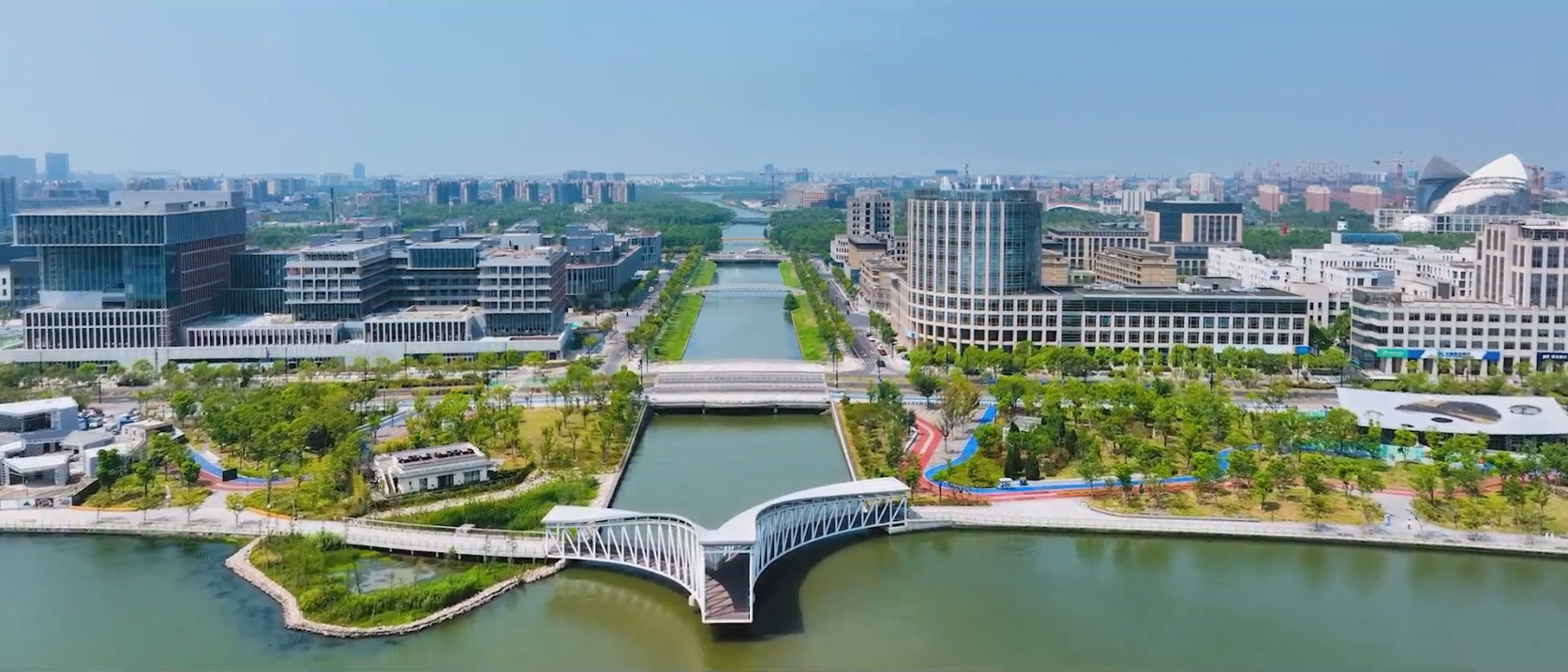
Moreover, eco-friendly stormwater inlets can contribute to the aesthetic value of urban spaces. They can be designed to blend seamlessly with landscaping, enhancing green spaces while serving their functional purpose. This duality not only improves the visual appeal of an area but also encourages community engagement with nature, fostering a sense of environmental stewardship among residents.
Incorporating eco-friendly stormwater inlets into building and construction projects can also align with regulatory requirements aimed at promoting sustainable development. Many municipalities now prioritize green infrastructure solutions when approving new developments, making the use of these inlets not just a proactive choice for businesses but also a compliance necessity.
Best practices for the installation and maintenance of eco-friendly stormwater inlets include regular inspections to ensure that they remain clear of debris and functioning as intended. Additionally, educating the public about the importance of these systems can enhance community involvement in maintaining local waterways.
In conclusion, eco-friendly stormwater inlets play a pivotal role in modern drainage systems. By effectively managing stormwater, reducing environmental impact, and contributing to urban aesthetics, these innovative solutions stand at the forefront of sustainable construction practices. As the demand for eco-conscious building materials continues to rise, understanding the functionality and benefits of such inlets will be essential for professionals within the construction and decoration industry.
Eco-friendly stormwater inlets are designed with materials and techniques that promote sustainability. Unlike traditional inlets that may contribute to water pollution, these systems often incorporate natural filtration processes. By using permeable surfaces and bio-retention methods, they help remove contaminants from stormwater before it enters local waterways. This not only protects aquatic ecosystems but also enhances the overall quality of urban water resources.
One of the key benefits of implementing eco-friendly stormwater inlets is their ability to reduce flooding and erosion. In urban environments, impervious surfaces like asphalt and concrete can exacerbate runoff issues. Eco-friendly inlets help mitigate these effects by allowing water to infiltrate the ground, replenishing groundwater supplies and reducing the risk of localized flooding. This is particularly important in areas that experience heavy rainfalls, where effective drainage systems are crucial for public safety and infrastructure integrity.
Moreover, eco-friendly stormwater inlets can contribute to the aesthetic value of urban spaces. They can be designed to blend seamlessly with landscaping, enhancing green spaces while serving their functional purpose. This duality not only improves the visual appeal of an area but also encourages community engagement with nature, fostering a sense of environmental stewardship among residents.
Incorporating eco-friendly stormwater inlets into building and construction projects can also align with regulatory requirements aimed at promoting sustainable development. Many municipalities now prioritize green infrastructure solutions when approving new developments, making the use of these inlets not just a proactive choice for businesses but also a compliance necessity.
Best practices for the installation and maintenance of eco-friendly stormwater inlets include regular inspections to ensure that they remain clear of debris and functioning as intended. Additionally, educating the public about the importance of these systems can enhance community involvement in maintaining local waterways.
In conclusion, eco-friendly stormwater inlets play a pivotal role in modern drainage systems. By effectively managing stormwater, reducing environmental impact, and contributing to urban aesthetics, these innovative solutions stand at the forefront of sustainable construction practices. As the demand for eco-conscious building materials continues to rise, understanding the functionality and benefits of such inlets will be essential for professionals within the construction and decoration industry.
Eco-friendly stormwater inlet


Address: Building B2, No. 188, Hailuo Road, Quanjiao County, Chuzhou City, Anhui Province,China
yajing


Messages