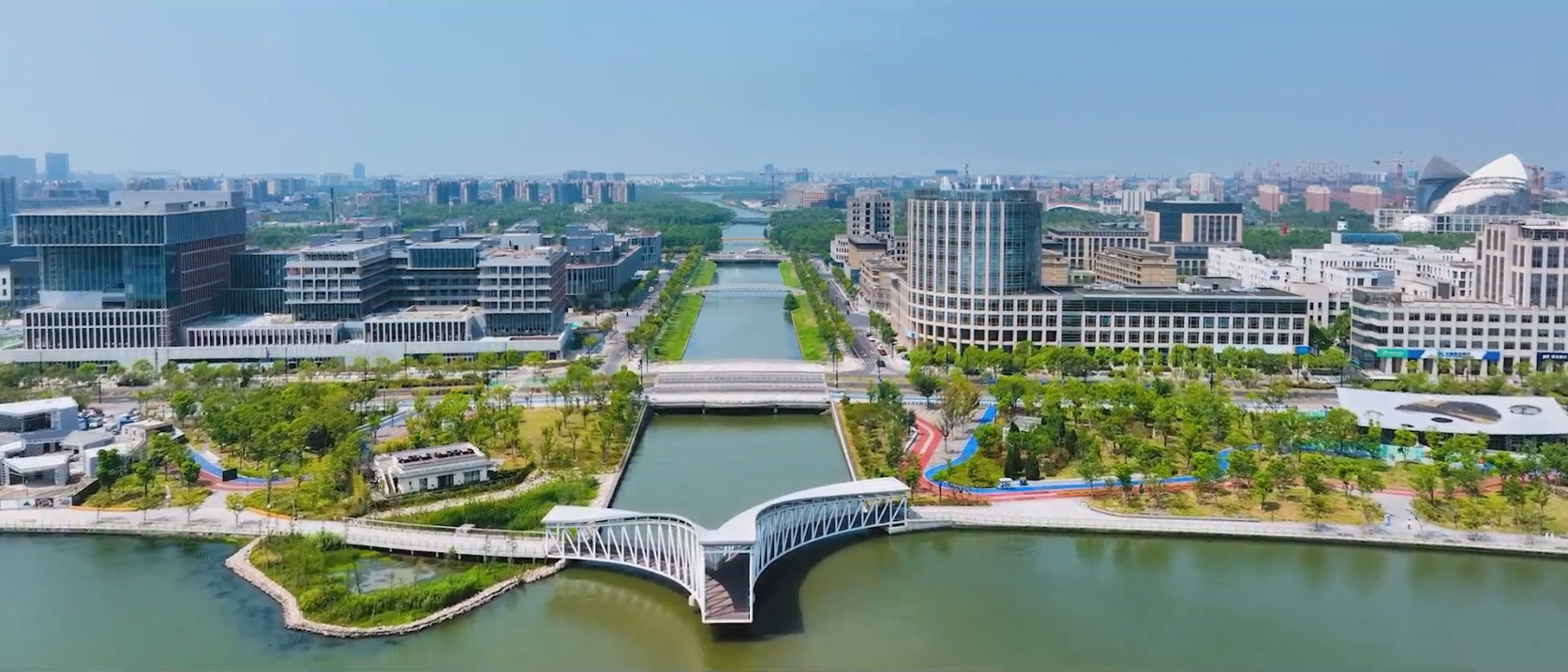
Exploring Innovative Technologies in Surface Rainwater Transport Systems
Exploring Innovative Technologies in Surface Rainwater Transport Systems
Table of Contents
Introduction to Surface Rainwater Transport Systems
The Importance of Effective Rainwater Management
Traditional Surface Rainwater Transport Systems
Challenges in Conventional Rainwater Transport
Innovative Technologies in Surface Rainwater Transport
Smart Drainage Systems
Exploring Innovative Technologies in Surface Rainwater Transport Systems
Table of Contents
- Introduction to Surface Rainwater Transport Systems
- The Importance of Effective Rainwater Management
- Traditional Surface Rainwater Transport Systems
- Challenges in Conventional Rainwater Transport
- Innovative Technologies in Surface Rainwater Transport
- Case Studies of Successful Implementation
- Future Trends in Rainwater Management Technologies
- Conclusion
- Frequently Asked Questions
Introduction to Surface Rainwater Transport Systems
Surface rainwater transport systems play a crucial role in managing stormwater effectively. With increasing urbanization and climate change, the need for advanced rainwater management strategies is more pressing than ever. This article explores the latest technologies designed to enhance the efficiency and sustainability of surface rainwater transport systems, ensuring they meet the demands of modern infrastructure.
The Importance of Effective Rainwater Management
Effective rainwater management is essential for several reasons:
1. **Flood Prevention**: Properly designed systems help mitigate flooding risks by directing excess rainwater away from populated areas.
2. **Water Quality**: Advanced systems can filter pollutants from rainwater, improving downstream water quality.
3. **Sustainability**: Implementing innovative technologies can reduce reliance on traditional drainage infrastructure and promote sustainable practices.
4. **Ecosystem Health**: Maintaining natural water cycles supports local ecosystems and biodiversity.
Traditional Surface Rainwater Transport Systems
Traditional surface rainwater transport systems primarily utilize gutters, drains, and culverts to manage stormwater. While these systems have been effective in many scenarios, they often fall short in addressing the complexities of modern urban drainage challenges. Some drawbacks include:
- **Limited Capacity**: Many traditional systems cannot handle the increased volume of rainwater due to rapid urban development.
- **High Maintenance**: Clogged drains and gutters require regular maintenance, leading to increased costs and labor.
- **Environmental Impact**: Conventional systems often direct untreated stormwater into natural water bodies, harming aquatic ecosystems.
Challenges in Conventional Rainwater Transport
With the growing challenges posed by climate change, traditional surface rainwater transport systems face significant obstacles:
1. **Increased Frequency of Extreme Weather Events**: The rise in heavy rainfall events puts additional stress on existing infrastructure.
2. **Urbanization**: As cities expand, impermeable surfaces increase, leading to more runoff and the need for enhanced drainage solutions.
3. **Environmental Regulations**: Stricter regulations regarding stormwater management necessitate more effective and sustainable practices.
Innovative Technologies in Surface Rainwater Transport
To address the challenges of conventional systems, several innovative technologies have emerged. These advancements focus on enhancing efficiency, reducing environmental impact, and improving overall functionality.
Smart Drainage Systems
Smart drainage systems utilize sensors and IoT technology to monitor rainwater flow and system performance in real-time. These systems can automatically adjust to changing conditions, optimizing drainage and reducing the risk of flooding. Benefits include:
- **Data-Driven Insights**: Real-time data allows for informed decision-making and proactive maintenance.
- **Automated Responses**: Systems can respond to rainfall events by adjusting flow rates and redirecting water as needed.
Permeable Pavements
Permeable pavements are designed to allow rainwater to infiltrate through the surface, reducing runoff and promoting groundwater recharge. These materials can include porous asphalt, concrete, or brick. Key advantages include:
- **Reduced Runoff**: By allowing water to pass through, permeable pavements decrease surface runoff significantly.
- **Improved Aesthetics**: These surfaces can be visually appealing and can integrate well into urban landscapes.
Green Infrastructure Solutions
Green infrastructure incorporates natural processes to manage rainwater effectively. This approach includes various techniques, such as green roofs, rain gardens, and bioswales. Benefits of green infrastructure include:
- **Enhanced Biodiversity**: These systems support plant and animal life, contributing to urban greening efforts.
- **Pollution Filtration**: Natural processes filter pollutants from rainwater, improving overall water quality.
Bioretention Systems
Bioretention systems, also known as rain gardens, are designed to capture and treat stormwater through soil and plant interactions. These systems offer several advantages:
- **Natural Filtration**: They effectively filter sediments and pollutants, improving the quality of water that eventually reaches natural water bodies.
- **Aesthetic Appeal**: Bioretention systems enhance landscapes while serving a functional purpose.
Case Studies of Successful Implementation
Several cities around the world have successfully implemented innovative surface rainwater transport systems. Here are a few notable examples:
1. **Singapore's ABC Waters Program**: This initiative focuses on integrating water management with urban living. Singapore has developed various green infrastructure projects, including bioretention systems and green roofs, to manage stormwater sustainably.
2. **Portland, Oregon**: This city has embraced permeable pavements and green streets, significantly reducing stormwater runoff and enhancing community green spaces.
3. **Melbourne, Australia**: The City of Melbourne has invested in smart drainage technology, utilizing sensors to monitor and manage stormwater in real time, leading to improved flood prevention measures.
Future Trends in Rainwater Management Technologies
As technology continues to evolve, the future of surface rainwater transport systems is promising. Here are some anticipated trends:
- **Increased Integration of Technology**: The use of AI and machine learning will dominate future systems, enabling predictive analytics for stormwater management.
- **Sustainable Materials**: Innovations in materials science will lead to the development of more sustainable and durable rainwater management solutions.
- **Community Engagement**: Future projects will increasingly involve community input to develop designs that meet local needs and preferences.
Conclusion
The evolving landscape of surface rainwater transport systems is marked by innovative technologies that enhance efficiency, sustainability, and environmental stewardship. By moving away from traditional methods and embracing modern solutions, we can create resilient infrastructures capable of adapting to the challenges posed by climate change and urbanization. As cities continue to grow, investing in these technologies will not only protect our communities from flooding but also contribute to healthier ecosystems and improved water quality.
Frequently Asked Questions
1. What are surface rainwater transport systems?
Surface rainwater transport systems are infrastructures designed to manage stormwater runoff through gutters, drains, and other drainage methods. They ensure that excess rainwater is directed away from urban areas to prevent flooding.
2. Why are traditional rainwater systems inadequate?
Traditional systems often struggle with increased rainfall due to climate change, limited capacity, high maintenance needs, and negative environmental impacts.
3. What are the benefits of smart drainage systems?
Smart drainage systems provide real-time monitoring, data-driven insights, and automated responses to changing conditions, enhancing efficiency and reducing flooding risks.
4. How do permeable pavements work?
Permeable pavements allow rainwater to infiltrate through the surface, reducing runoff and promoting groundwater recharge, ultimately improving stormwater management.
5. What is green infrastructure, and how does it help with rainwater management?
Green infrastructure uses natural processes, such as vegetation and soil, to manage stormwater effectively. It helps filter pollutants, enhances biodiversity, and can improve urban aesthetics.
Surface rainwater transport system


Address: Building B2, No. 188, Hailuo Road, Quanjiao County, Chuzhou City, Anhui Province,China
yajing


Messages