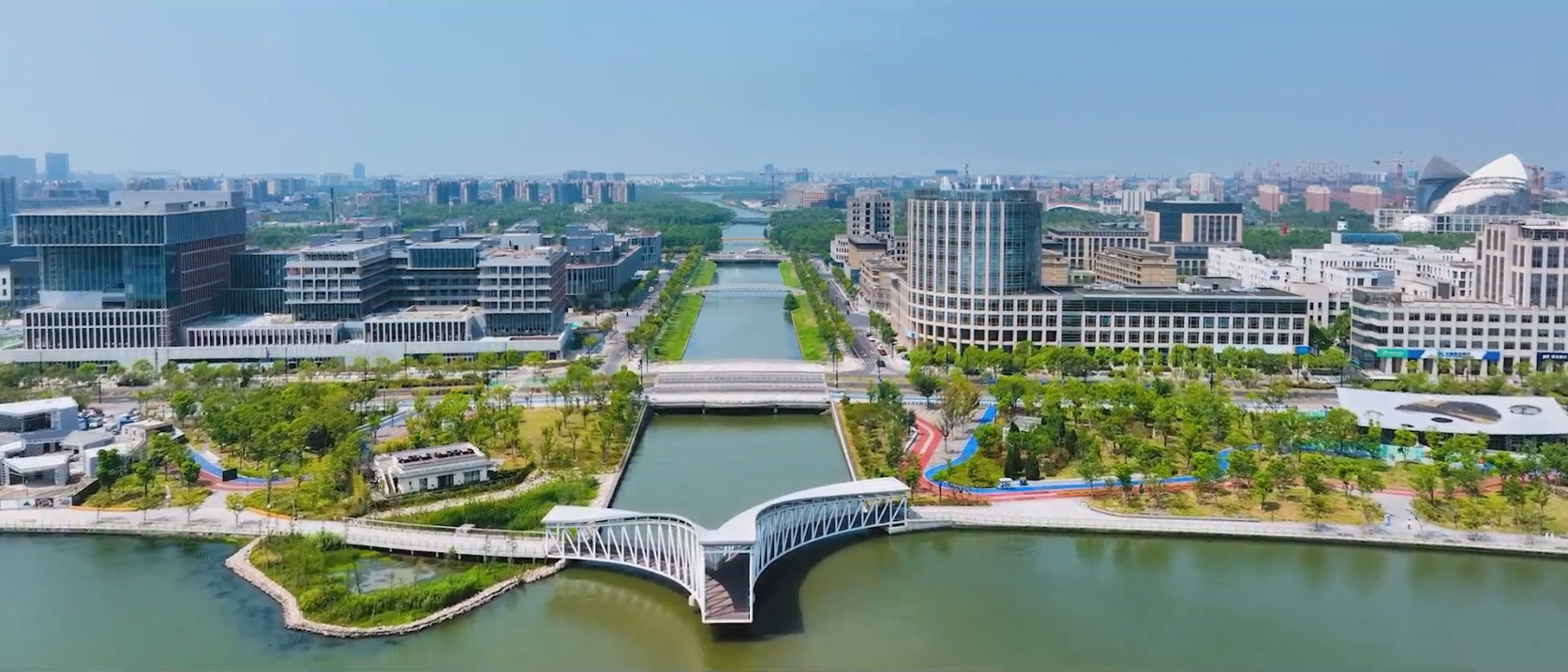
Effective Surface Drainage Solutions for Urban Roads
Efficient surface drainage for urban roads is a critical component of city planning and infrastructure design. It plays a vital role in managing stormwater runoff, preventing flooding, and ensuring the longevity of road surfaces. Urban areas often face challenges due to increased impervious surfaces, which impede the natural flow of water. Therefore, understanding how to implement effective draina
Efficient surface drainage for urban roads is a critical component of city planning and infrastructure design. It plays a vital role in managing stormwater runoff, preventing flooding, and ensuring the longevity of road surfaces. Urban areas often face challenges due to increased impervious surfaces, which impede the natural flow of water. Therefore, understanding how to implement effective drainage solutions is essential for urban planners, engineers, and construction professionals.
First, it is important to recognize that surface drainage systems are designed to redirect excess water away from roadways, minimizing the risk of water accumulation. Key elements of these systems include ditches, trenches, and drainage channels. These components work together to transport water away from urban roads and into designated drainage areas, such as retention ponds or natural water bodies.
One of the primary benefits of effective surface drainage systems is the enhancement of road safety. Pooled water can create hazardous driving conditions, leading to accidents and vehicle damage. By ensuring proper drainage, the likelihood of hydroplaning and skidding is significantly reduced, promoting safer travel for vehicles and pedestrians alike.
Additionally, surface drainage helps to mitigate the risk of flooding during heavy rainfall events. Urban areas with inadequate drainage systems often experience significant water accumulation, leading to road closures and property damage. By designing urban roads with efficient drainage solutions, cities can minimize flooding risks, protecting infrastructure and the community.
Another vital aspect to consider is the impact of surface drainage on road maintenance and durability. Water infiltration can weaken road structures over time, leading to costly repairs and reduced lifespan. Implementing effective drainage solutions aids in preserving the integrity of road surfaces, reducing the need for frequent maintenance and extending the overall longevity of the road infrastructure.
Furthermore, incorporating green infrastructure elements, such as permeable pavements and bioretention areas, can enhance traditional surface drainage systems. These eco-friendly solutions not only improve drainage efficiency but also promote water quality by filtering pollutants before they reach natural water bodies. Integrating sustainable practices into urban road design is increasingly important as cities strive to meet environmental standards and improve urban resilience.
In conclusion, investing in effective surface drainage for urban roads is essential for creating a safe, functional, and sustainable urban environment. By understanding the components and benefits of these systems, urban planners and engineers can design roads that not only manage stormwater effectively but also contribute to the overall well-being of the community. Prioritizing surface drainage solutions ensures that urban infrastructure remains resilient, functional, and safe for all users.
First, it is important to recognize that surface drainage systems are designed to redirect excess water away from roadways, minimizing the risk of water accumulation. Key elements of these systems include ditches, trenches, and drainage channels. These components work together to transport water away from urban roads and into designated drainage areas, such as retention ponds or natural water bodies.
One of the primary benefits of effective surface drainage systems is the enhancement of road safety. Pooled water can create hazardous driving conditions, leading to accidents and vehicle damage. By ensuring proper drainage, the likelihood of hydroplaning and skidding is significantly reduced, promoting safer travel for vehicles and pedestrians alike.
Additionally, surface drainage helps to mitigate the risk of flooding during heavy rainfall events. Urban areas with inadequate drainage systems often experience significant water accumulation, leading to road closures and property damage. By designing urban roads with efficient drainage solutions, cities can minimize flooding risks, protecting infrastructure and the community.
Another vital aspect to consider is the impact of surface drainage on road maintenance and durability. Water infiltration can weaken road structures over time, leading to costly repairs and reduced lifespan. Implementing effective drainage solutions aids in preserving the integrity of road surfaces, reducing the need for frequent maintenance and extending the overall longevity of the road infrastructure.
Furthermore, incorporating green infrastructure elements, such as permeable pavements and bioretention areas, can enhance traditional surface drainage systems. These eco-friendly solutions not only improve drainage efficiency but also promote water quality by filtering pollutants before they reach natural water bodies. Integrating sustainable practices into urban road design is increasingly important as cities strive to meet environmental standards and improve urban resilience.
In conclusion, investing in effective surface drainage for urban roads is essential for creating a safe, functional, and sustainable urban environment. By understanding the components and benefits of these systems, urban planners and engineers can design roads that not only manage stormwater effectively but also contribute to the overall well-being of the community. Prioritizing surface drainage solutions ensures that urban infrastructure remains resilient, functional, and safe for all users.
Surface drainage for urban roads


Address: Building B2, No. 188, Hailuo Road, Quanjiao County, Chuzhou City, Anhui Province,China
yajing


Messages