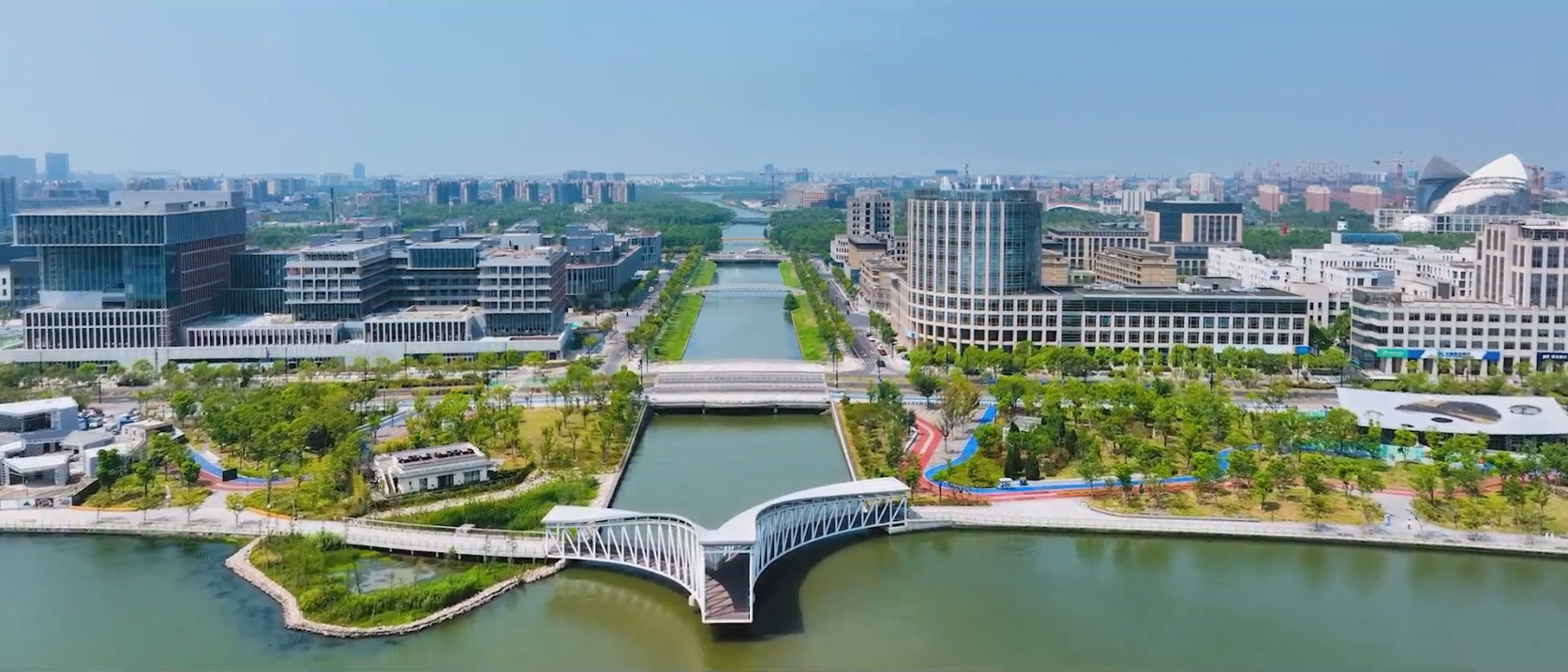
Maximizing Urban Green Spaces with Sponge-Type Rainwater Flower Boxes
Sponge-type rainwater flower boxes represent a transformative approach to urban gardening, merging functionality with environmental consciousness. These specialized containers are designed to capture and retain rainwater, creating a self-sustaining ecosystem that benefits both plants and the environment.
One of the primary advantages of sponge-type rainwater flower boxes is their ability to absor
Sponge-type rainwater flower boxes represent a transformative approach to urban gardening, merging functionality with environmental consciousness. These specialized containers are designed to capture and retain rainwater, creating a self-sustaining ecosystem that benefits both plants and the environment.
One of the primary advantages of sponge-type rainwater flower boxes is their ability to absorb and retain moisture. The sponge-like material used in these flower boxes acts as a reservoir that holds rainwater, allowing plants to access water during dry periods. This feature not only reduces the frequency of watering but also minimizes water runoff, which can lead to erosion and nutrient loss in urban areas. By utilizing these flower boxes, gardeners can cultivate a thriving green space while conserving precious water resources.
Another significant benefit is the enhanced aeration that sponge-type rainwater flower boxes provide. The structure of the sponge material allows air to circulate around the roots, promoting healthy growth and reducing the risk of root rot. This is particularly crucial in urban environments, where soil compaction can hinder plant development. With improved aeration, plants in these boxes can thrive, resulting in a more vibrant and lush garden.
Moreover, sponge-type rainwater flower boxes contribute to biodiversity in urban settings. By creating suitable microhabitats for various plant species, these containers encourage the growth of pollinator-friendly plants, which in turn supports local ecosystems. When plants flourish in these flower boxes, they can attract beneficial insects such as bees and butterflies, enhancing the overall health of urban green spaces.
In addition to their practical benefits, sponge-type rainwater flower boxes add aesthetic value to urban areas. Available in various designs and sizes, they can be integrated into any landscape, from balconies to parks. Their versatility allows for creative garden layouts that can adapt to different spaces, making them an ideal choice for urban gardeners looking to maximize their green footprint.
To further enhance the sustainability aspect, gardeners can consider incorporating native plants into their sponge-type rainwater flower boxes. Native plants are well adapted to the local climate and require less maintenance, making them an excellent choice for those looking to create a low-effort garden that thrives on natural rainfall.
In conclusion, sponge-type rainwater flower boxes serve as an innovative solution for urban gardening. They not only provide a reliable source of moisture for plants but also promote healthy growth, conserve water, and enhance urban biodiversity. By integrating these flower boxes into your gardening practices, you can contribute to a greener, more sustainable urban environment while enjoying the beauty and benefits of flourishing plants.
One of the primary advantages of sponge-type rainwater flower boxes is their ability to absorb and retain moisture. The sponge-like material used in these flower boxes acts as a reservoir that holds rainwater, allowing plants to access water during dry periods. This feature not only reduces the frequency of watering but also minimizes water runoff, which can lead to erosion and nutrient loss in urban areas. By utilizing these flower boxes, gardeners can cultivate a thriving green space while conserving precious water resources.
Another significant benefit is the enhanced aeration that sponge-type rainwater flower boxes provide. The structure of the sponge material allows air to circulate around the roots, promoting healthy growth and reducing the risk of root rot. This is particularly crucial in urban environments, where soil compaction can hinder plant development. With improved aeration, plants in these boxes can thrive, resulting in a more vibrant and lush garden.
Moreover, sponge-type rainwater flower boxes contribute to biodiversity in urban settings. By creating suitable microhabitats for various plant species, these containers encourage the growth of pollinator-friendly plants, which in turn supports local ecosystems. When plants flourish in these flower boxes, they can attract beneficial insects such as bees and butterflies, enhancing the overall health of urban green spaces.
In addition to their practical benefits, sponge-type rainwater flower boxes add aesthetic value to urban areas. Available in various designs and sizes, they can be integrated into any landscape, from balconies to parks. Their versatility allows for creative garden layouts that can adapt to different spaces, making them an ideal choice for urban gardeners looking to maximize their green footprint.
To further enhance the sustainability aspect, gardeners can consider incorporating native plants into their sponge-type rainwater flower boxes. Native plants are well adapted to the local climate and require less maintenance, making them an excellent choice for those looking to create a low-effort garden that thrives on natural rainfall.
In conclusion, sponge-type rainwater flower boxes serve as an innovative solution for urban gardening. They not only provide a reliable source of moisture for plants but also promote healthy growth, conserve water, and enhance urban biodiversity. By integrating these flower boxes into your gardening practices, you can contribute to a greener, more sustainable urban environment while enjoying the beauty and benefits of flourishing plants.
Sponge-type rainwater flower box


Address: Building B2, No. 188, Hailuo Road, Quanjiao County, Chuzhou City, Anhui Province,China
yajing


Messages