Unlocking Sustainable Solutions: The Importance of Eco-friendly Stormwater Inlets in Drainage Systems
The integration of eco-friendly stormwater inlets into drainage systems is increasingly recognized as a crucial step towards sustainable urban development. These inlets are designed to manage stormwater runoff effectively while minimizing negative environmental impacts. By utilizing innovative materials and designs, eco-friendly stormwater inlets contribute to better water quality, flood preventio
The integration of eco-friendly stormwater inlets into drainage systems is increasingly recognized as a crucial step towards sustainable urban development. These inlets are designed to manage stormwater runoff effectively while minimizing negative environmental impacts. By utilizing innovative materials and designs, eco-friendly stormwater inlets contribute to better water quality, flood prevention, and overall ecosystem health.
One of the primary functions of stormwater inlets is to capture and redirect rainwater runoff from impervious surfaces, such as roads and parking lots. Traditional inlets often fail to filter pollutants from this runoff, leading to contamination of nearby water bodies. In contrast, eco-friendly stormwater inlets employ filtration systems that remove harmful substances, such as sediments, oils, and heavy metals, before the water enters the drainage system. This not only protects aquatic ecosystems but also enhances the quality of water entering local watersheds.
Moreover, the design of eco-friendly stormwater inlets often incorporates permeable materials that allow for natural absorption and infiltration of water. This reduces the volume of runoff entering municipal stormwater systems, alleviating the risk of flooding during heavy rain events. By promoting groundwater recharge, these inlets play a significant role in maintaining the hydrological balance within urban environments.
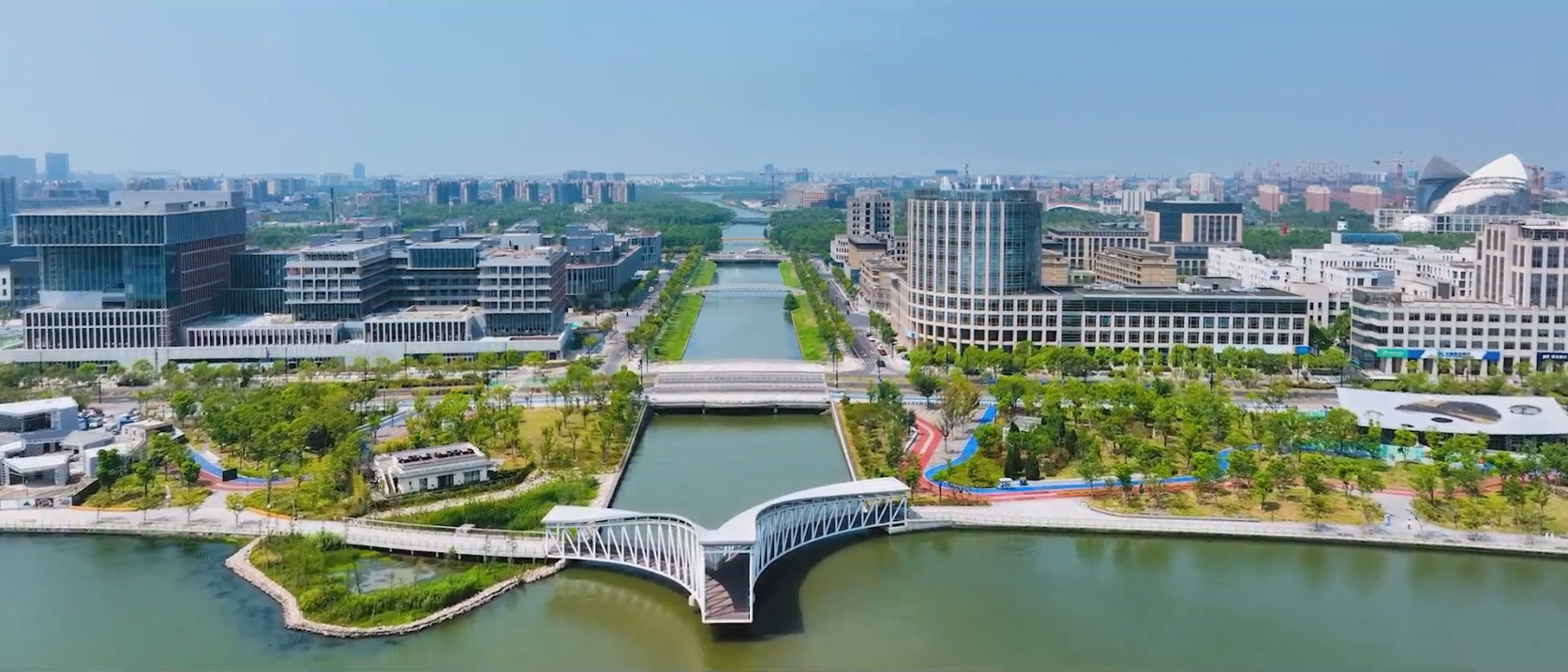
In addition to their functional benefits, eco-friendly stormwater inlets can also enhance the aesthetic appeal of urban landscapes. Many designs incorporate green infrastructure elements, such as vegetation and bioswales, which not only improve water management but also create attractive public spaces. This dual functionality aligns with the growing trend of integrating nature into urban planning, ultimately leading to healthier and more vibrant communities.
The implementation of eco-friendly stormwater inlets requires collaboration among various stakeholders, including engineers, architects, urban planners, and environmental specialists. It is essential to assess local regulations, site conditions, and community needs to design and install inlets that optimize performance and sustainability. Education and awareness about the importance of these systems can further enhance their adoption and effectiveness.
In conclusion, eco-friendly stormwater inlets are a pivotal component in modern drainage systems aimed at promoting sustainable urban development. Their innovative designs not only manage stormwater runoff efficiently but also contribute to environmental protection and enhanced urban aesthetics. As the push for greener infrastructure continues, the adoption of eco-friendly stormwater inlets will be vital in creating resilient and sustainable urban environments.
One of the primary functions of stormwater inlets is to capture and redirect rainwater runoff from impervious surfaces, such as roads and parking lots. Traditional inlets often fail to filter pollutants from this runoff, leading to contamination of nearby water bodies. In contrast, eco-friendly stormwater inlets employ filtration systems that remove harmful substances, such as sediments, oils, and heavy metals, before the water enters the drainage system. This not only protects aquatic ecosystems but also enhances the quality of water entering local watersheds.
Moreover, the design of eco-friendly stormwater inlets often incorporates permeable materials that allow for natural absorption and infiltration of water. This reduces the volume of runoff entering municipal stormwater systems, alleviating the risk of flooding during heavy rain events. By promoting groundwater recharge, these inlets play a significant role in maintaining the hydrological balance within urban environments.
In addition to their functional benefits, eco-friendly stormwater inlets can also enhance the aesthetic appeal of urban landscapes. Many designs incorporate green infrastructure elements, such as vegetation and bioswales, which not only improve water management but also create attractive public spaces. This dual functionality aligns with the growing trend of integrating nature into urban planning, ultimately leading to healthier and more vibrant communities.
The implementation of eco-friendly stormwater inlets requires collaboration among various stakeholders, including engineers, architects, urban planners, and environmental specialists. It is essential to assess local regulations, site conditions, and community needs to design and install inlets that optimize performance and sustainability. Education and awareness about the importance of these systems can further enhance their adoption and effectiveness.
In conclusion, eco-friendly stormwater inlets are a pivotal component in modern drainage systems aimed at promoting sustainable urban development. Their innovative designs not only manage stormwater runoff efficiently but also contribute to environmental protection and enhanced urban aesthetics. As the push for greener infrastructure continues, the adoption of eco-friendly stormwater inlets will be vital in creating resilient and sustainable urban environments.
Eco-friendly stormwater inlet


Address: Building B2, No. 188, Hailuo Road, Quanjiao County, Chuzhou City, Anhui Province,China
yajing


Messages