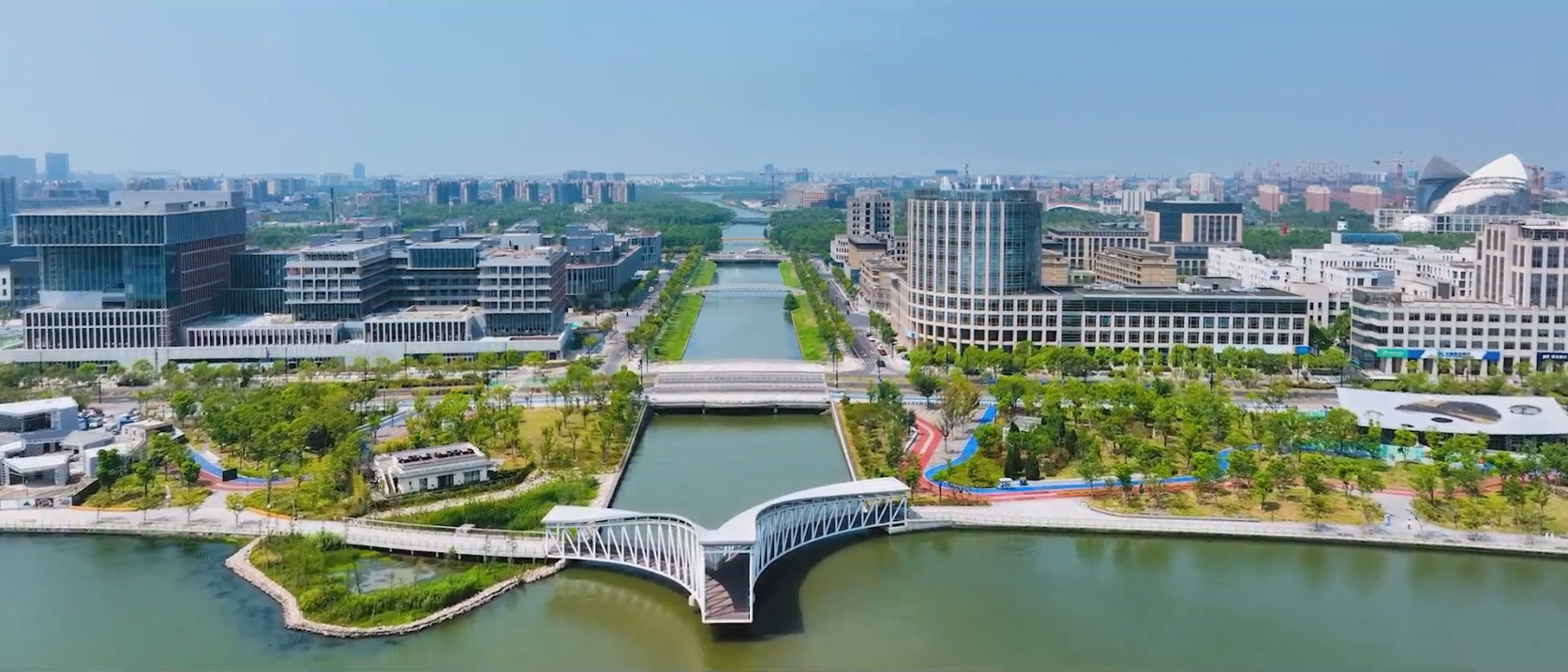
Enhancing Safety Protocols Through Effective Pipe Network Inspections
Enhancing Safety Protocols Through Effective Pipe Network Inspections
Table of Contents
1. Introduction to Pipe Network Inspections
2. The Importance of Safety Protocols in Pipe Networks
2.1 The Risks Associated with Faulty Pipe Networks
2.2 Regulatory Compliance and Safety Standards
3. Effective Inspection Techniques for Pipe Networks
3.1 Visual Inspections
3.2 Non-Destructive Testing Methods
3.3
Enhancing Safety Protocols Through Effective Pipe Network Inspections
Table of Contents
1. Introduction to Pipe Network Inspections
2. The Importance of Safety Protocols in Pipe Networks
2.1 The Risks Associated with Faulty Pipe Networks
2.2 Regulatory Compliance and Safety Standards
3. Effective Inspection Techniques for Pipe Networks
3.1 Visual Inspections
3.2 Non-Destructive Testing Methods
3.3 Advanced Inspection Technologies
4. Developing a Comprehensive Inspection Plan
4.1 Identifying Critical Infrastructure
4.2 Scheduling Regular Inspections
4.3 Engaging Qualified Personnel
5. Case Studies: Successful Pipe Network Inspections
6. Common Challenges in Pipe Network Inspections
6.1 Inaccessibility of Pipelines
6.2 Environmental Factors
7. Future Trends in Pipe Network Inspections
8. Conclusion
9. Frequently Asked Questions (FAQs)
1. Introduction to Pipe Network Inspections
Pipe network inspections are critical for ensuring operational safety in various industries, including oil and gas, water treatment, and manufacturing. These inspections involve evaluating the condition of pipes to prevent leaks, failures, and catastrophic events. By implementing effective inspection protocols, organizations can enhance safety measures, protect the environment, and comply with regulatory requirements.
2. The Importance of Safety Protocols in Pipe Networks
Safety protocols are essential for mitigating risks associated with pipe networks. As these systems transport hazardous materials, any failure can lead to severe consequences.
2.1 The Risks Associated with Faulty Pipe Networks
Faulty pipe networks can cause leaks that result in environmental contamination, property damage, and risks to personnel safety. Identifying vulnerabilities through regular inspections can significantly reduce these hazards.
2.2 Regulatory Compliance and Safety Standards
Adhering to industry regulations and safety standards is vital. Inspections help organizations meet legal requirements, which can prevent hefty fines and enhance their reputation.
3. Effective Inspection Techniques for Pipe Networks
Various inspection techniques can be employed to assess the integrity of pipe systems effectively.
3.1 Visual Inspections
Visual inspections are the most straightforward techniques. Trained personnel examine pipes for visible signs of damage, corrosion, or leaks. This method is cost-effective and can be performed regularly.
3.2 Non-Destructive Testing Methods
Non-destructive testing (NDT) methods, such as ultrasonic testing and radiography, allow inspectors to evaluate pipe integrity without causing damage. These techniques provide detailed insights into the internal condition of pipes.
3.3 Advanced Inspection Technologies
Utilizing advanced technologies like drones and robotic crawlers enhances inspection capabilities. These tools can access hard-to-reach areas, provide real-time data, and create detailed reports for analysis.
4. Developing a Comprehensive Inspection Plan
Creating a robust inspection plan is crucial for ensuring the effectiveness of safety protocols.
4.1 Identifying Critical Infrastructure
Organizations must identify which pipelines are critical to operations. Focusing inspections on these areas maximizes safety and minimizes risks.
4.2 Scheduling Regular Inspections
Regular inspections should be scheduled based on factors such as the age of the pipes, materials used, and environmental conditions. A proactive approach can prevent unexpected failures.
4.3 Engaging Qualified Personnel
Engaging skilled inspectors is essential for accurate assessments. Organizations should invest in training and professional development to ensure personnel are equipped with the latest knowledge and skills.
5. Case Studies: Successful Pipe Network Inspections
Examining real-world examples of effective pipe network inspections can provide valuable insights. Organizations that have implemented rigorous inspection protocols have reported reduced incidents of leaks and failures, demonstrating the importance of a systematic approach.
6. Common Challenges in Pipe Network Inspections
Despite the best intentions, organizations may face challenges during inspections.
6.1 Inaccessibility of Pipelines
Some pipelines are located in hard-to-reach areas, making inspections difficult. Innovative solutions, such as using drones, can help overcome these challenges.
6.2 Environmental Factors
Environmental conditions can complicate inspections. Weather-related disruptions or hazards may delay scheduled inspections, impacting overall safety protocols.
7. Future Trends in Pipe Network Inspections
The future of pipe network inspections is set to evolve with advancements in technology. Innovations such as artificial intelligence (AI) and machine learning can enhance predictive maintenance strategies, allowing organizations to anticipate and address potential issues before they escalate.
8. Conclusion
In conclusion, enhancing safety protocols through effective pipe network inspections is crucial for safeguarding personnel, protecting the environment, and ensuring regulatory compliance. By adopting a comprehensive approach to inspections, utilizing advanced technologies, and engaging qualified professionals, organizations can significantly reduce risks associated with pipe networks. The proactive management of pipe integrity not only fosters a culture of safety but also contributes to the overall efficiency of operations.
9. Frequently Asked Questions (FAQs)
1. What are the main benefits of regular pipe network inspections?
Regular inspections can help prevent leaks, ensure regulatory compliance, and enhance operational safety.
2. How often should pipe network inspections be conducted?
The frequency of inspections depends on several factors, including the type of materials used, environmental conditions, and regulatory requirements.
3. What are the most common inspection techniques used?
Common techniques include visual inspections, non-destructive testing methods, and advanced technologies like drones.
4. How can organizations ensure they comply with safety regulations?
Organizations can comply by developing a comprehensive inspection plan, conducting regular assessments, and staying updated on regulatory changes.
5. What should organizations do if they discover a leak during an inspection?
If a leak is discovered, organizations should follow established emergency protocols, address the issue immediately, and report it to the relevant authorities as required.
By focusing on a proactive inspection strategy and leveraging the latest technologies, organizations can improve the safety and reliability of their pipe networks, thereby enhancing overall safety protocols.
Pipe network inspection system


Address: Building B2, No. 188, Hailuo Road, Quanjiao County, Chuzhou City, Anhui Province,China
yajing


Messages