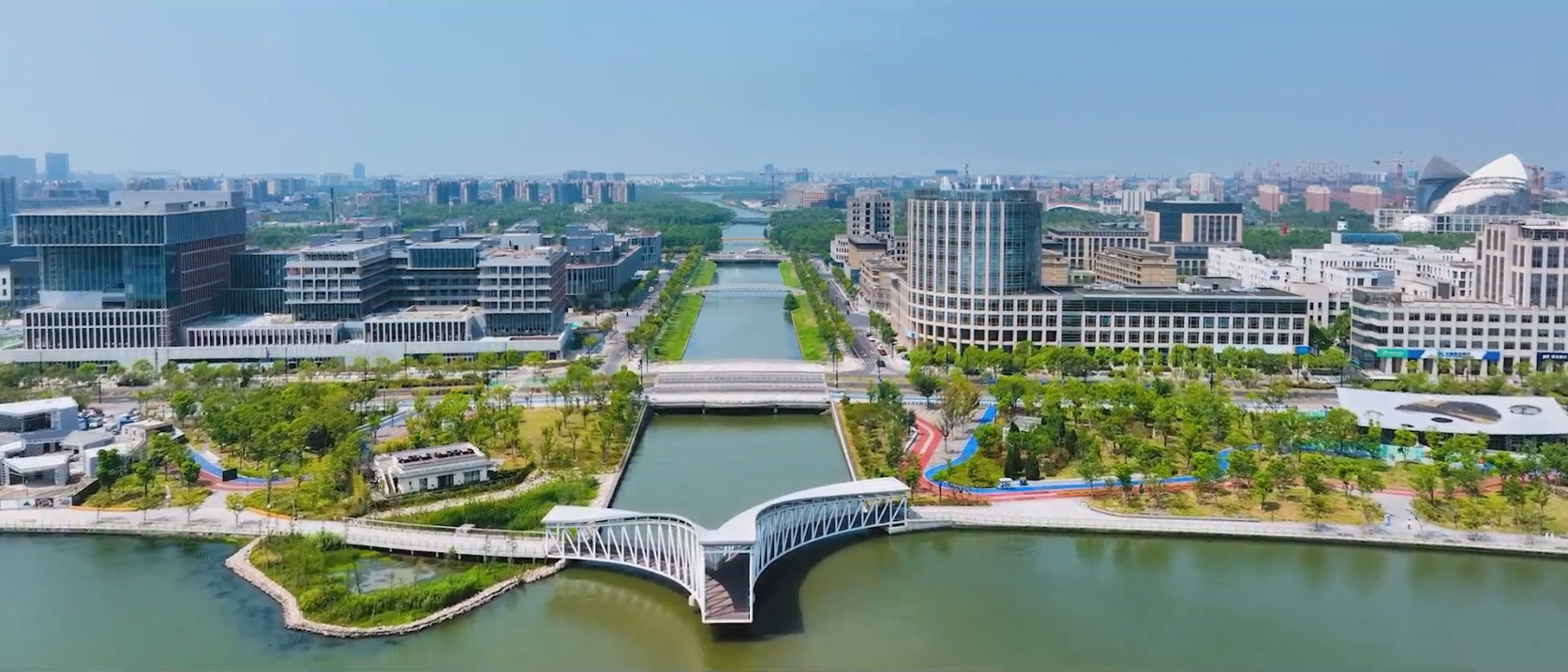
The Comprehensive Advantages of Modular Surface Rainwater Transport Systems
The Comprehensive Advantages of Modular Surface Rainwater Transport Systems
Table of Contents
Introduction to Modular Surface Rainwater Transport Systems
What Are Modular Surface Rainwater Transport Systems?
Key Benefits of Modular Surface Rainwater Transport Systems
1. Efficiency in Water Management
2. Sustainability and Eco-Friendliness
3. Cost-Effectiveness
The Comprehensive Advantages of Modular Surface Rainwater Transport Systems
Table of Contents
- Introduction to Modular Surface Rainwater Transport Systems
- What Are Modular Surface Rainwater Transport Systems?
- Key Benefits of Modular Surface Rainwater Transport Systems
- 1. Efficiency in Water Management
- 2. Sustainability and Eco-Friendliness
- 3. Cost-Effectiveness
- 4. Ease of Installation and Maintenance
- 5. Versatility in Applications
- Components of Modular Surface Rainwater Transport Systems
- Real-World Case Studies
- Frequently Asked Questions
- Conclusion
Introduction to Modular Surface Rainwater Transport Systems
In an era where environmental sustainability and efficient infrastructure are paramount, **modular surface rainwater transport systems** have emerged as an innovative solution to effectively manage stormwater runoff. These systems are designed to capture, transport, and manage rainwater in urban landscapes, providing significant advantages to both builders and property owners. This article will explore the myriad benefits of modular systems, emphasizing their role in enhancing water management practices while also promoting sustainability and cost savings.
What Are Modular Surface Rainwater Transport Systems?
Modular surface rainwater transport systems are engineered solutions that utilize a series of interlocking components to create an efficient drainage network. These components, often made from durable and sustainable materials, are designed to channel rainwater from various surfaces, such as roads, sidewalks, and parking lots, directing it toward appropriate drainage points or storage systems. The modular design allows for flexibility in installation and customization, making it a popular choice among engineers and architects.
Key Benefits of Modular Surface Rainwater Transport Systems
1. Efficiency in Water Management
One of the primary benefits of modular surface rainwater transport systems is their **efficiency in water management**. By facilitating the rapid movement of rainwater, these systems significantly reduce the risk of flooding and waterlogging in urban areas. The modular design allows for quick assembly and integration into existing landscapes, ensuring that water is effectively directed away from critical infrastructure.
Moreover, these systems can help capture and utilize rainwater, promoting the development of sustainable water management practices. By channeling rainwater into storage tanks or infiltration systems, property owners can reduce their reliance on municipal water sources, leading to further resource conservation.
2. Sustainability and Eco-Friendliness
Sustainability is at the forefront of modern construction, and modular surface rainwater transport systems contribute significantly to environmentally friendly practices. These systems are designed to promote groundwater recharge, helping to maintain local ecosystems and reduce the impact of urbanization on natural water cycles.
By preventing stormwater runoff from carrying pollutants into water bodies, modular systems help preserve water quality in nearby rivers and lakes. Furthermore, many modular components are recyclable, making them a more sustainable choice compared to traditional drainage systems.
3. Cost-Effectiveness
Implementing modular surface rainwater transport systems can lead to substantial **cost savings** over time. While the initial investment may seem considerable, the long-term benefits far outweigh these costs. Reduced flooding incidents minimize the need for expensive repairs and maintenance of damaged infrastructure.
Additionally, effective rainwater management can lower utility bills by decreasing water consumption. Property owners can harvest and utilize rainwater for irrigation, toilet flushing, and other non-potable uses, translating to direct financial savings.
4. Ease of Installation and Maintenance
The modular nature of these systems simplifies both installation and maintenance processes. Because the components are designed to fit together seamlessly, installation can often be completed more quickly than traditional drainage methods. This efficiency translates into reduced labor costs and shorter project timelines.
Maintenance is also straightforward, as individual modules can be easily accessed and replaced when necessary. This ease of upkeep ensures that the rainwater transport system remains functional and effective, reducing the overall lifecycle costs associated with the system.
5. Versatility in Applications
Modular surface rainwater transport systems are incredibly versatile, making them suitable for a wide range of applications. Whether utilized in residential neighborhoods, commercial developments, or public infrastructure projects, these systems can be customized to meet specific needs and requirements.
From urban parks designed to handle heavy rainfall to large-scale commercial sites that require effective stormwater management, modular systems can be adapted to any environment. Their flexibility makes them an attractive option for architects and engineers looking to implement innovative drainage solutions.
Components of Modular Surface Rainwater Transport Systems
Understanding the components that comprise modular surface rainwater transport systems is crucial for appreciating their functionality and effectiveness. These components typically include:
- **Drainage Channels**: These channels are designed to collect and direct rainwater efficiently. They are often lined with permeable materials to enhance infiltration.
- **Grates and Covers**: Installed on top of drainage channels, these components serve to filter debris and provide access for maintenance while ensuring safety for pedestrians and vehicles.
- **Storage Units**: These modular units capture excess rainwater for later use, allowing for irrigation or other non-potable applications.
- **Inlets and Outlets**: These features facilitate the entry and exit of water within the system, directing it to desired locations such as retention basins, infiltration areas, or storm sewers.
By combining these components, modular surface rainwater transport systems create a sophisticated network capable of managing rainwater effectively.
Real-World Case Studies
Examining case studies where modular surface rainwater transport systems have been successfully implemented helps illustrate their benefits in action.
**Case Study 1: Urban Park Development in City X**
In City X, a new urban park was designed with a modular rainwater transport system. The park features extensive pathways and green spaces, all equipped with drainage channels that efficiently direct rainwater to a storage unit. This system not only mitigated flooding risks in adjacent neighborhoods but also reduced the park's water costs by allowing for the reuse of harvested rainwater for irrigation.
**Case Study 2: Commercial Lot in City Y**
A commercial retail lot in City Y implemented a modular surface rainwater transport system to address chronic water pooling issues. The installation of drainage grates and channels significantly decreased water accumulation, enhancing site accessibility during rain events. Additionally, the system has contributed to improved water quality in nearby water bodies by filtering pollutants before they reach the stormwater system.
Frequently Asked Questions
1. How do modular surface rainwater transport systems compare to traditional drainage systems?
Modular systems are typically more efficient and environmentally friendly than traditional drainage systems. They are designed for enhanced water management and promote sustainability by allowing for rainwater harvesting.
2. Are modular systems suitable for residential properties?
Yes, modular surface rainwater transport systems are highly versatile and can be effectively utilized in residential settings, ensuring efficient stormwater management on private properties.
3. What materials are used in modular surface rainwater transport systems?
Modular systems are often constructed from durable, eco-friendly materials, including recycled plastics, concrete, and metal.
4. How do I maintain a modular rainwater transport system?
Maintenance is typically straightforward, involving periodic inspections and cleaning of drainage channels and grates to prevent debris buildup.
5. Can these systems be integrated with existing drainage infrastructure?
Absolutely! Modular surface rainwater transport systems can be seamlessly integrated with existing drainage systems, optimizing overall water management.
Conclusion
Modular surface rainwater transport systems represent a significant advancement in stormwater management technology, offering numerous benefits that support sustainable construction practices. Their efficiency, versatility, and cost-effectiveness make them an attractive option for various applications, from urban parks to commercial developments. By investing in these innovative systems, property owners and developers can significantly enhance water management, promote environmental sustainability, and ultimately contribute to healthier urban ecosystems. Embracing modular technology is not just a solution for today; it's a commitment to a more sustainable future.
Surface rainwater transport system


Address: Building B2, No. 188, Hailuo Road, Quanjiao County, Chuzhou City, Anhui Province,China
yajing


Messages