Exploring Eco-Friendly Stormwater Inlets: A Sustainable Solution for Modern Drainage Systems
In recent years, the growing emphasis on sustainability has led to innovative approaches in construction and drainage solutions. Among these innovations are eco-friendly stormwater inlets, which play a crucial role in managing rainwater runoff and reducing environmental impact. These inlets are designed not only to handle stormwater but also to enhance the natural filtration processes, contributin
In recent years, the growing emphasis on sustainability has led to innovative approaches in construction and drainage solutions. Among these innovations are eco-friendly stormwater inlets, which play a crucial role in managing rainwater runoff and reducing environmental impact. These inlets are designed not only to handle stormwater but also to enhance the natural filtration processes, contributing to a healthier ecosystem.
Eco-friendly stormwater inlets are typically designed with features that promote infiltration and reduce surface runoff. By incorporating permeable materials, these inlets allow water to seep into the ground, which helps recharge groundwater supplies and mitigates the risk of urban flooding. Unlike traditional inlets that can lead to increased erosion and pollution, eco-friendly designs often include sediment traps and biofilters to capture debris and pollutants before they enter the stormwater system.
One of the primary benefits of eco-friendly stormwater inlets is their ability to improve water quality. As rainwater flows through these systems, it undergoes a natural filtration process, which significantly reduces the amount of contaminants that eventually reach rivers, lakes, and oceans. This is particularly critical in urban areas where impervious surfaces can lead to increased runoff and pollution. By utilizing eco-friendly inlets, municipalities and developers can contribute to cleaner water bodies and healthier aquatic ecosystems.
Another advantage is the reduction in the risk of flooding. By facilitating better water management, eco-friendly stormwater inlets help in diverting excess water away from populated areas. They can be strategically placed within a drainage system to optimize flow and minimize the chances of overflow during heavy rainfall events. This is essential for urban planning, as flooding can cause significant damage to infrastructure and pose risks to public safety.
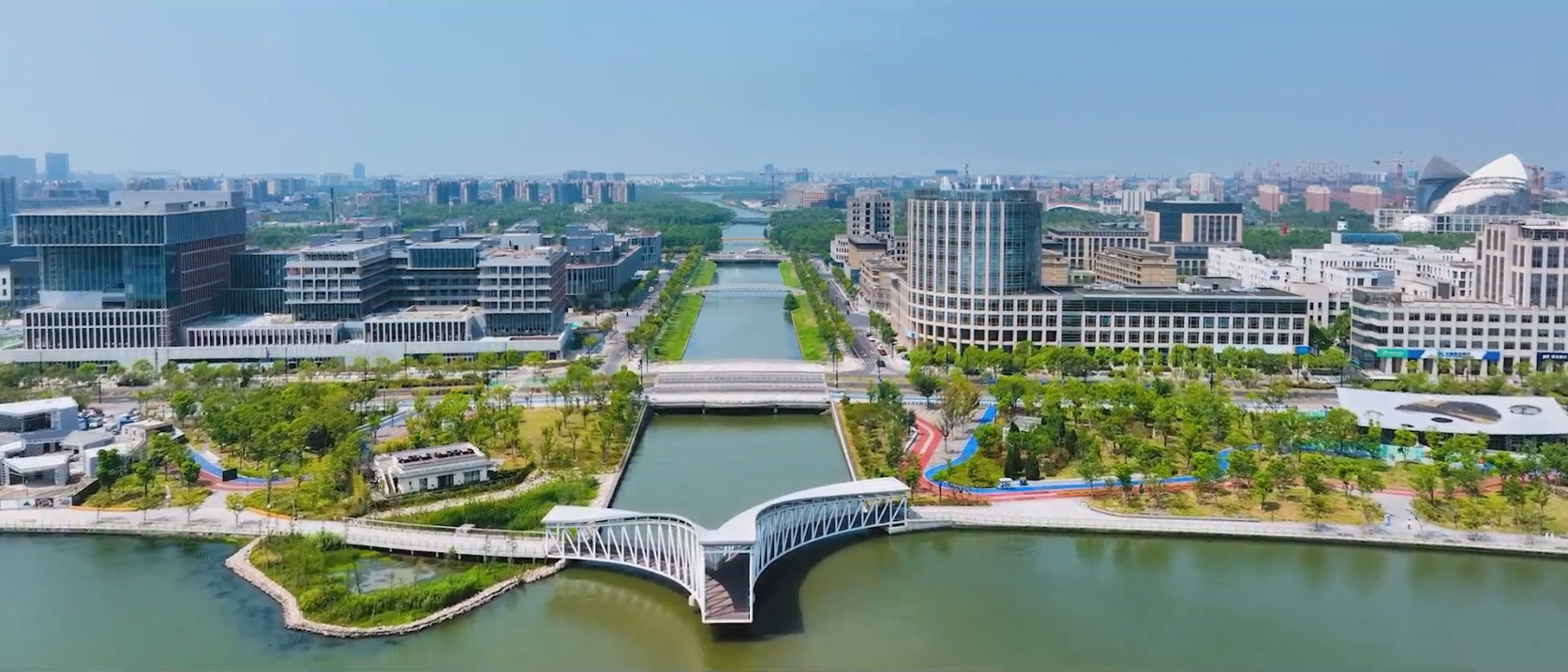
Additionally, eco-friendly stormwater inlets often enhance the aesthetic appeal of urban landscapes. Many designs integrate green spaces, such as bioswales or rain gardens, which not only serve functional purposes but also provide recreational areas for communities. This dual functionality of being both effective drainage solutions and attractive landscape elements makes them a preferred choice in modern architectural projects.
The implementation of eco-friendly stormwater inlets is increasingly being recognized as a critical component of sustainable development. As more building codes and regulations incorporate green infrastructure practices, the demand for such solutions continues to rise. By investing in eco-friendly drainage systems, developers not only comply with environmental regulations but also demonstrate social responsibility, fostering a positive relationship with the community and the environment.
In conclusion, eco-friendly stormwater inlets represent a pivotal shift towards sustainable drainage practices. By effectively managing stormwater, improving water quality, reducing flooding risks, and enhancing urban aesthetics, these systems are an essential asset in the toolbox of modern construction and drainage solutions. As awareness of environmental issues grows, the adoption of eco-friendly inlets will likely become standard practice in the building and construction industry.
Eco-friendly stormwater inlets are typically designed with features that promote infiltration and reduce surface runoff. By incorporating permeable materials, these inlets allow water to seep into the ground, which helps recharge groundwater supplies and mitigates the risk of urban flooding. Unlike traditional inlets that can lead to increased erosion and pollution, eco-friendly designs often include sediment traps and biofilters to capture debris and pollutants before they enter the stormwater system.
One of the primary benefits of eco-friendly stormwater inlets is their ability to improve water quality. As rainwater flows through these systems, it undergoes a natural filtration process, which significantly reduces the amount of contaminants that eventually reach rivers, lakes, and oceans. This is particularly critical in urban areas where impervious surfaces can lead to increased runoff and pollution. By utilizing eco-friendly inlets, municipalities and developers can contribute to cleaner water bodies and healthier aquatic ecosystems.
Another advantage is the reduction in the risk of flooding. By facilitating better water management, eco-friendly stormwater inlets help in diverting excess water away from populated areas. They can be strategically placed within a drainage system to optimize flow and minimize the chances of overflow during heavy rainfall events. This is essential for urban planning, as flooding can cause significant damage to infrastructure and pose risks to public safety.
Additionally, eco-friendly stormwater inlets often enhance the aesthetic appeal of urban landscapes. Many designs integrate green spaces, such as bioswales or rain gardens, which not only serve functional purposes but also provide recreational areas for communities. This dual functionality of being both effective drainage solutions and attractive landscape elements makes them a preferred choice in modern architectural projects.
The implementation of eco-friendly stormwater inlets is increasingly being recognized as a critical component of sustainable development. As more building codes and regulations incorporate green infrastructure practices, the demand for such solutions continues to rise. By investing in eco-friendly drainage systems, developers not only comply with environmental regulations but also demonstrate social responsibility, fostering a positive relationship with the community and the environment.
In conclusion, eco-friendly stormwater inlets represent a pivotal shift towards sustainable drainage practices. By effectively managing stormwater, improving water quality, reducing flooding risks, and enhancing urban aesthetics, these systems are an essential asset in the toolbox of modern construction and drainage solutions. As awareness of environmental issues grows, the adoption of eco-friendly inlets will likely become standard practice in the building and construction industry.
Eco-friendly stormwater inlet


Address: Building B2, No. 188, Hailuo Road, Quanjiao County, Chuzhou City, Anhui Province,China
yajing


Messages