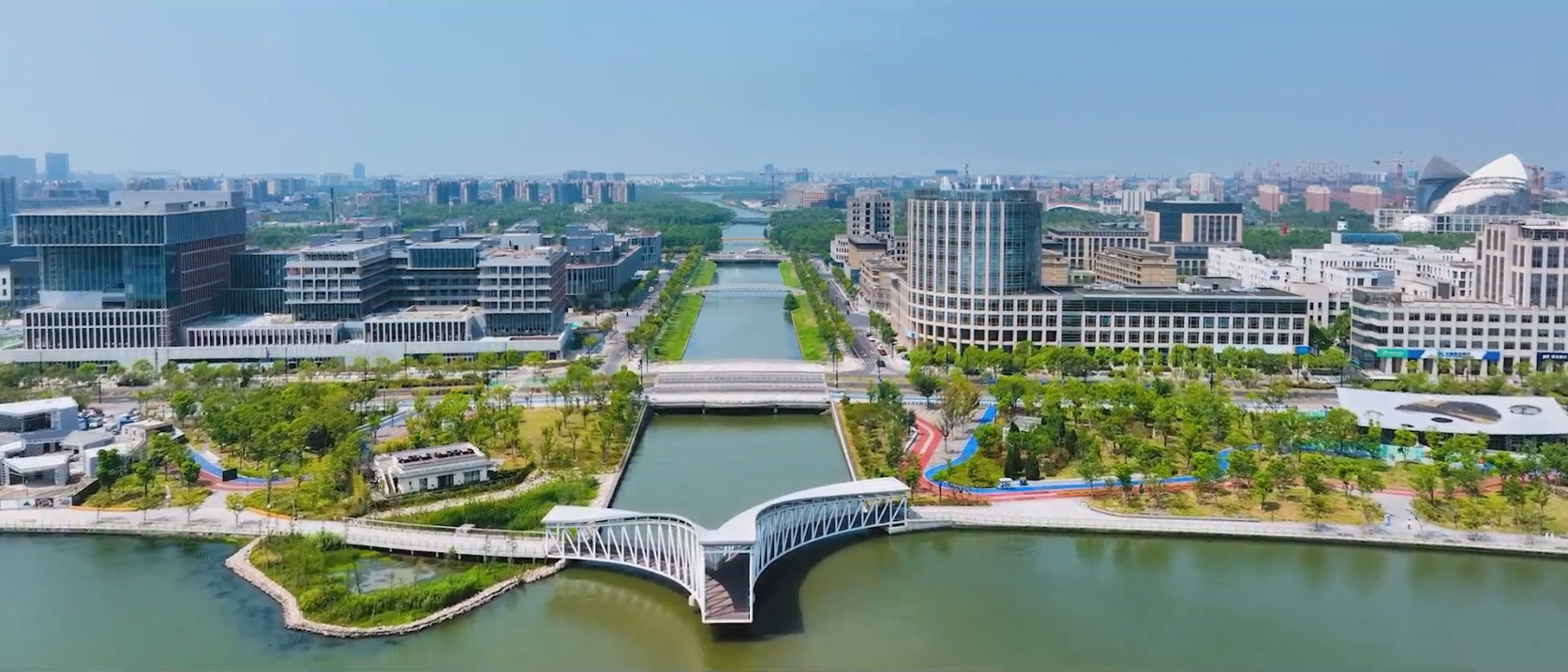
Optimizing Surface Drainage for Urban Roads: Essential Considerations
---
Surface drainage for urban roads plays a critical role in preventing water accumulation, reducing the risk of flooding, and maintaining road safety. Urban environments, characterized by extensive impermeable surfaces such as asphalt and concrete, can exacerbate rainwater runoff, leading to various challenges including erosion, sedimentation, and water pollution. To effectively manage these iss
---
Surface drainage for urban roads plays a critical role in preventing water accumulation, reducing the risk of flooding, and maintaining road safety. Urban environments, characterized by extensive impermeable surfaces such as asphalt and concrete, can exacerbate rainwater runoff, leading to various challenges including erosion, sedimentation, and water pollution. To effectively manage these issues, it is essential to understand the principles and applications of surface drainage systems.
At the core of surface drainage is the design of the road itself, which should feature a camber or cross-slope to facilitate runoff toward drainage points. Engineers typically aim for a slope ranging from 1% to 2% to ensure efficient water flow towards the edges of the road or into designated drainage channels. This gradient helps prevent water pooling on the surface, which can compromise both vehicle safety and road structure integrity.
In addition to the road's physical design, the placement and type of drainage infrastructure are crucial. Common solutions include curb and gutter systems, which channel water away from the roadway and into stormwater systems. These systems must be strategically placed to capture water runoff effectively, especially in areas prone to heavy rainfall. Proper sizing and maintenance of drainage inlets are also vital to handle peak flow conditions and prevent blockages caused by debris.
Another critical aspect of surface drainage is the use of permeable materials and green infrastructure. Incorporating permeable pavements in urban road designs allows for water infiltration, reducing the volume of runoff. Green roofs and rain gardens can also be integrated into surrounding landscapes to absorb excess water naturally, further alleviating the stress on traditional drainage systems.
Furthermore, regular maintenance of surface drainage systems cannot be overstated. Routine inspections and cleaning of drainage inlets and channels help prevent sediment buildup and ensure that the system functions as intended. Implementing a proactive maintenance schedule can extend the life of drainage systems and minimize costly repairs.
It is also essential to consider the environmental impact of surface drainage solutions. Improving water quality through natural filtration and reducing runoff volumes can contribute to better ecological balance. Urban planners and engineers must collaborate to ensure that surface drainage systems not only serve their functional purpose but also enhance the surrounding environment.
In conclusion, effective surface drainage for urban roads is a multifaceted challenge that requires careful consideration of design, infrastructure, maintenance, and environmental impact. By implementing best practices and innovative solutions, cities can enhance road safety, promote sustainability, and ensure the resilience of their transportation networks.
Surface drainage for urban roads plays a critical role in preventing water accumulation, reducing the risk of flooding, and maintaining road safety. Urban environments, characterized by extensive impermeable surfaces such as asphalt and concrete, can exacerbate rainwater runoff, leading to various challenges including erosion, sedimentation, and water pollution. To effectively manage these issues, it is essential to understand the principles and applications of surface drainage systems.
At the core of surface drainage is the design of the road itself, which should feature a camber or cross-slope to facilitate runoff toward drainage points. Engineers typically aim for a slope ranging from 1% to 2% to ensure efficient water flow towards the edges of the road or into designated drainage channels. This gradient helps prevent water pooling on the surface, which can compromise both vehicle safety and road structure integrity.
In addition to the road's physical design, the placement and type of drainage infrastructure are crucial. Common solutions include curb and gutter systems, which channel water away from the roadway and into stormwater systems. These systems must be strategically placed to capture water runoff effectively, especially in areas prone to heavy rainfall. Proper sizing and maintenance of drainage inlets are also vital to handle peak flow conditions and prevent blockages caused by debris.
Another critical aspect of surface drainage is the use of permeable materials and green infrastructure. Incorporating permeable pavements in urban road designs allows for water infiltration, reducing the volume of runoff. Green roofs and rain gardens can also be integrated into surrounding landscapes to absorb excess water naturally, further alleviating the stress on traditional drainage systems.
Furthermore, regular maintenance of surface drainage systems cannot be overstated. Routine inspections and cleaning of drainage inlets and channels help prevent sediment buildup and ensure that the system functions as intended. Implementing a proactive maintenance schedule can extend the life of drainage systems and minimize costly repairs.
It is also essential to consider the environmental impact of surface drainage solutions. Improving water quality through natural filtration and reducing runoff volumes can contribute to better ecological balance. Urban planners and engineers must collaborate to ensure that surface drainage systems not only serve their functional purpose but also enhance the surrounding environment.
In conclusion, effective surface drainage for urban roads is a multifaceted challenge that requires careful consideration of design, infrastructure, maintenance, and environmental impact. By implementing best practices and innovative solutions, cities can enhance road safety, promote sustainability, and ensure the resilience of their transportation networks.
Surface drainage for urban roads


Address: Building B2, No. 188, Hailuo Road, Quanjiao County, Chuzhou City, Anhui Province,China
yajing


Messages