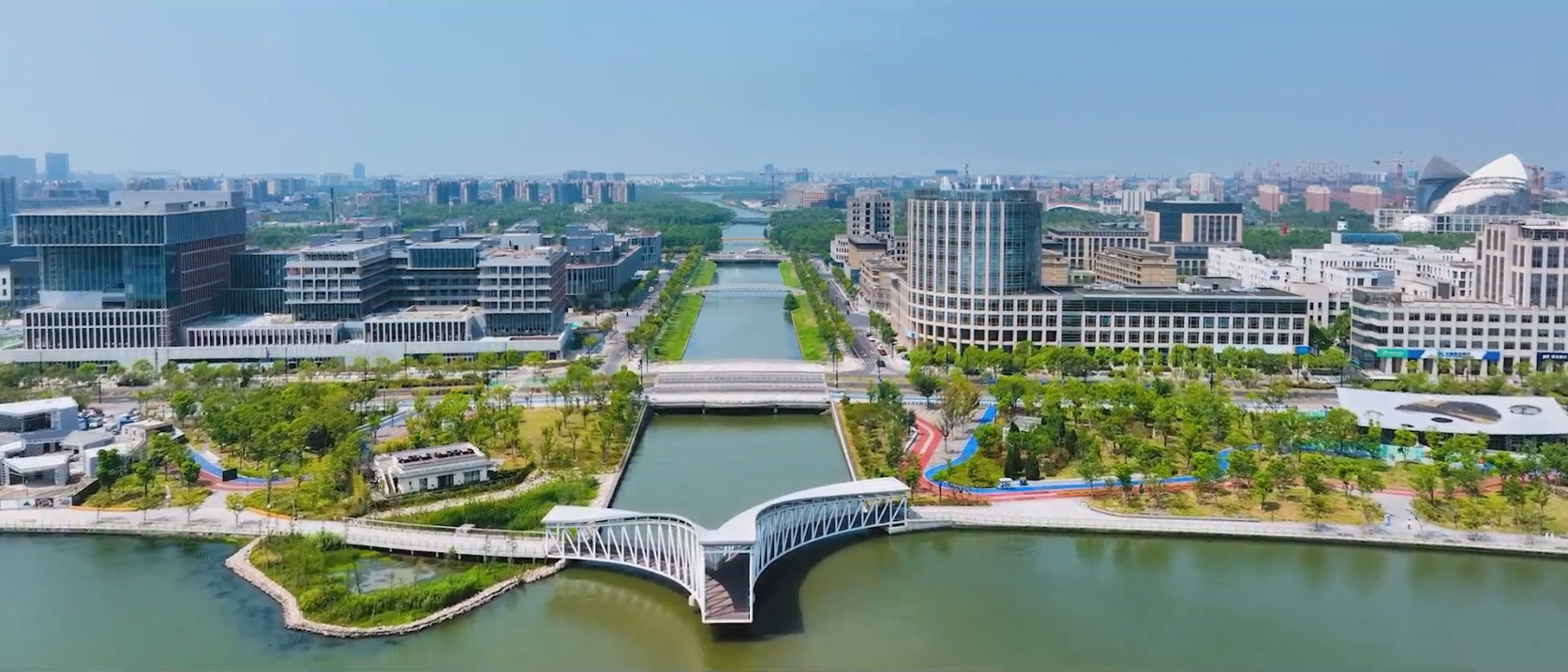
How Surface Rainwater Transport Systems Contribute to Water Management Strategies
How Surface Rainwater Transport Systems Contribute to Water Management Strategies
Introduction to Surface Rainwater Transport Systems
In recent years, the importance of effective water management has become increasingly clear. **Surface rainwater transport systems** have emerged as a crucial component of sustainable urban development and environmental protection. These systems are designed to effi
How Surface Rainwater Transport Systems Contribute to Water Management Strategies
Introduction to Surface Rainwater Transport Systems
In recent years, the importance of effective water management has become increasingly clear. **Surface rainwater transport systems** have emerged as a crucial component of sustainable urban development and environmental protection. These systems are designed to efficiently manage rainwater runoff, reducing flooding risks and enhancing water quality. This article delves into how these systems contribute to comprehensive water management strategies, highlighting their design, functionality, and benefits.
Understanding the Basics of Rainwater Management
The Importance of Rainwater Management Systems
Rainwater management systems are vital in mitigating the adverse effects of urbanization, including increased runoff, pollution, and flooding. By capturing and transporting rainwater effectively, these systems help maintain the natural hydrological cycle and reduce the burden on traditional drainage infrastructures.
Types of Surface Rainwater Transport Systems
Surface rainwater transport systems can be categorized into several types, each serving unique purposes:
- **Grassy Swales**: These are vegetated, shallow channels designed to slow down and filter runoff.
- **Permeable Pavements**: These allow water to infiltrate through the surface, reducing surface runoff.
- **Catch Basins**: These are designed to collect debris and sediment while directing water into drainage pipes.
- **Retention Basins**: These are depressions that hold water temporarily, allowing it to infiltrate slowly into the ground.
The Role of Surface Rainwater Transport Systems in Urban Environments
Enhancing Urban Resilience
With urban areas experiencing unprecedented population growth, the need for resilient infrastructure has never been more critical. Surface rainwater transport systems support urban resilience by:
- **Reducing Flood Risks**: By efficiently transporting and managing rainwater, these systems minimize the risk of urban flooding during heavy storms.
- **Improving Water Quality**: They help filter out pollutants from runoff, ensuring that water entering local water bodies is cleaner.
Supporting Sustainable Development Goals
The integration of surface rainwater transport systems aligns with global sustainability objectives. These systems contribute to:
- **Water Conservation**: By promoting the use of rainwater for non-potable purposes, such as irrigation, cities can decrease their reliance on freshwater sources.
- **Biodiversity Promotion**: Green infrastructure, such as swales and retention basins, creates habitats for various plant and animal species.
Technical Aspects of Rainwater Transport Systems
Design and Engineering Principles
The design of surface rainwater transport systems requires careful consideration of:
- **Topography**: Understanding the land's slope and drainage patterns is crucial for effective system design.
- **Soil Characteristics**: Soil permeability and saturation rates play a significant role in determining how and where rainwater should be directed.
- **Climate Considerations**: Designers must account for local rainfall patterns to ensure systems can handle peak flow conditions.
Implementation Challenges
While the benefits of surface rainwater transport systems are clear, implementing these solutions can pose challenges, including:
- **Space Constraints**: Urban areas may have limited space for the installation of larger systems.
- **Funding and Resources**: Budget limitations can hinder the development of comprehensive rainwater management strategies.
- **Maintenance Requirements**: Regular upkeep is necessary to ensure the systems remain effective, which requires ongoing funding and resources.
Benefits of Implementing Surface Rainwater Transport Systems
Environmental Benefits
The environmental advantages of these systems extend beyond mere flood mitigation. Some notable benefits include:
- **Improved Aquifer Recharge**: By allowing rainwater to infiltrate into the ground, these systems promote groundwater replenishment.
- **Pollution Reduction**: Natural filtration processes reduce the levels of pollutants entering waterways, improving overall ecosystem health.
Economic Advantages
Investing in surface rainwater transport systems can yield significant economic benefits, such as:
- **Cost Savings**: Reducing flood damage can save municipalities money in emergency repairs and infrastructure upgrades.
- **Increased Property Values**: Well-managed stormwater systems contribute to the aesthetic appeal of neighborhoods, potentially raising property values.
Case Studies: Successful Implementation of Rainwater Transport Systems
Examining real-world examples can provide valuable insights into the effectiveness and adaptability of surface rainwater systems.
Case Study 1: Portland, Oregon
Portland has been a pioneer in implementing green stormwater infrastructure. The city has integrated bioretention facilities and permeable pavements throughout urban areas, significantly reducing runoff and improving water quality.
Case Study 2: Singapore’s Integrated Drainage Management
Singapore has developed an integrated drainage management system that combines traditional drainage with green infrastructure. This approach effectively manages stormwater while enhancing urban green spaces.
Future Trends in Surface Rainwater Transport Systems
Technological Innovations
The future of surface rainwater transport systems will likely involve advancements in technology, including:
- **Smart Sensors**: Incorporating IoT technologies to monitor flow rates and water levels in real time, enhancing system responsiveness.
- **Advanced Materials**: The development of more efficient permeable materials that can filter pollutants more effectively.
Policy and Regulatory Frameworks
Governments are increasingly recognizing the need for supportive policies that encourage the adoption of surface rainwater transport systems. Key trends include:
- **Incentives for Green Infrastructure**: Financial incentives for homeowners and developers who implement sustainable practices.
- **Mandatory Stormwater Management Plans**: Policies requiring new developments to integrate effective rainwater management solutions.
Frequently Asked Questions (FAQs)
What are surface rainwater transport systems?
Surface rainwater transport systems are engineered solutions designed to manage and transport rainwater runoff, reducing flooding and improving water quality.
How do these systems work?
These systems capture rainwater and direct it through various channels, such as swales and permeable pavements, allowing for infiltration, filtration, and controlled drainage.
What are the benefits of implementing these systems?
The benefits include reduced flood risk, improved water quality, enhanced urban resilience, and economic savings for municipalities.
Are surface rainwater transport systems costly to implement?
While there may be initial costs involved, the long-term savings from reduced flood damage and improved property values can outweigh these expenses.
How can I promote sustainable rainwater management in my community?
Advocating for local policies that support green infrastructure and participating in community education programs can help promote sustainable practices.
Conclusion
In conclusion, **surface rainwater transport systems** play an essential role in effective water management strategies, particularly in urban settings. By enhancing resilience, improving water quality, and supporting sustainable development goals, these systems offer numerous benefits to both the environment and community. As cities continue to grow, embracing innovative rainwater management solutions will be crucial in addressing the challenges posed by climate change and urbanization. Implementing these systems is not merely a necessity; it is an opportunity to foster a sustainable future for urban environments.
Surface rainwater transport system


Address: Building B2, No. 188, Hailuo Road, Quanjiao County, Chuzhou City, Anhui Province,China
yajing


Messages